
At the end of the spring semester, when the sunny days of summer loom ahead, most CMC students leave campus for home, for internships, for jobs.
But some are more than happy to stay in Claremont—and dig deep into research.
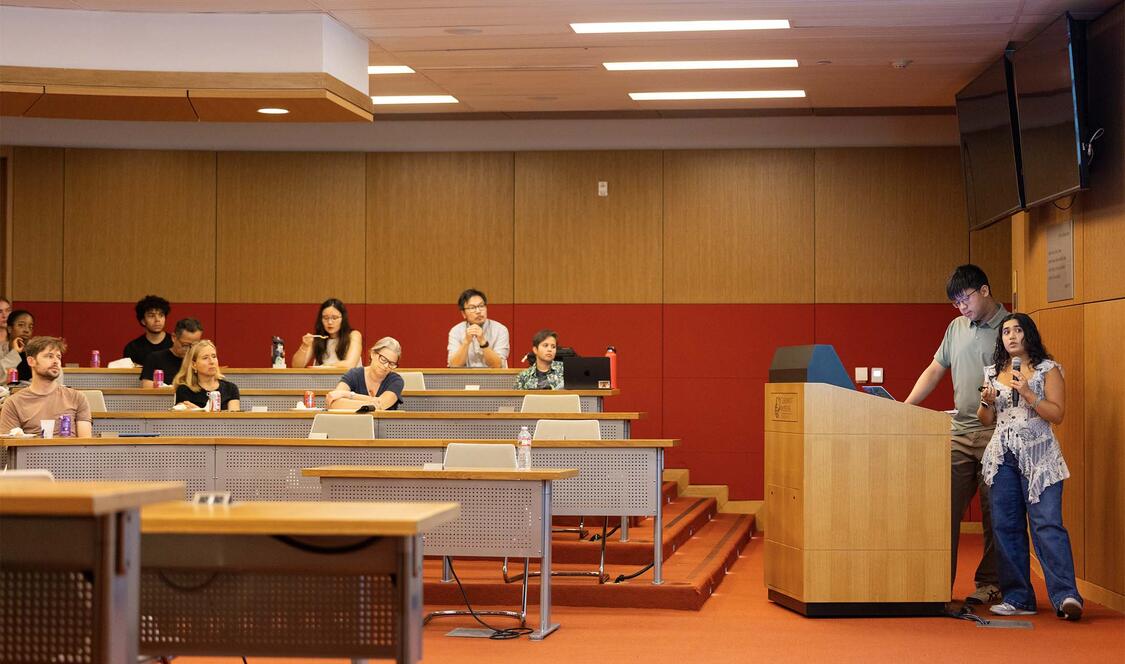
This summer, 45 students remained on campus to participate in CMC’s Summer Research Program (SRP). For eight weeks, 40 hours a week, they worked independently, in partnership with fellow students, and in close collaboration with faculty on research projects spanning the humanities, social sciences, and integrated sciences.
The 2026 cohort, comprised of 45 students and 24 faculty, is the largest SRP group yet, more than double last year’s numbers. Contributing to this growth was the launch of CMC’s new Kravis Department of Integrated Sciences (KDIS) and the inaugural participation of KDIS faculty—12 in total.
Weekly, professors and students convened at interactive lunch seminars where faculty presenters discussed their research and described their own academic journey from undergraduate student to CMC professor.
“These lunches not only build community but also model for students how many different possible paths there are if they're interested in continuing with research…not a single professor’s journey has been the same,” said Rima Basu, SRP Director and Associate Professor of Philosophy.
Nor is every student’s journey the same, which makes vital the fact that they are paid for their involvement in the program. “This lowers the barrier for entry considerably and enables everyone the chance the participate regardless of their background or discipline,” Basu said.
SRP culminates in research presentations, a time for students shine and share the discoveries of the intensive journey: “It’s remarkable to see how much the students have accomplished in such a short amount of time,” Basu said.
Three such students—Sanaa Taqvi ’29, Kevin Martinez ’29, and Danah Plair ’28—offered a glimpse of their SRP experience.
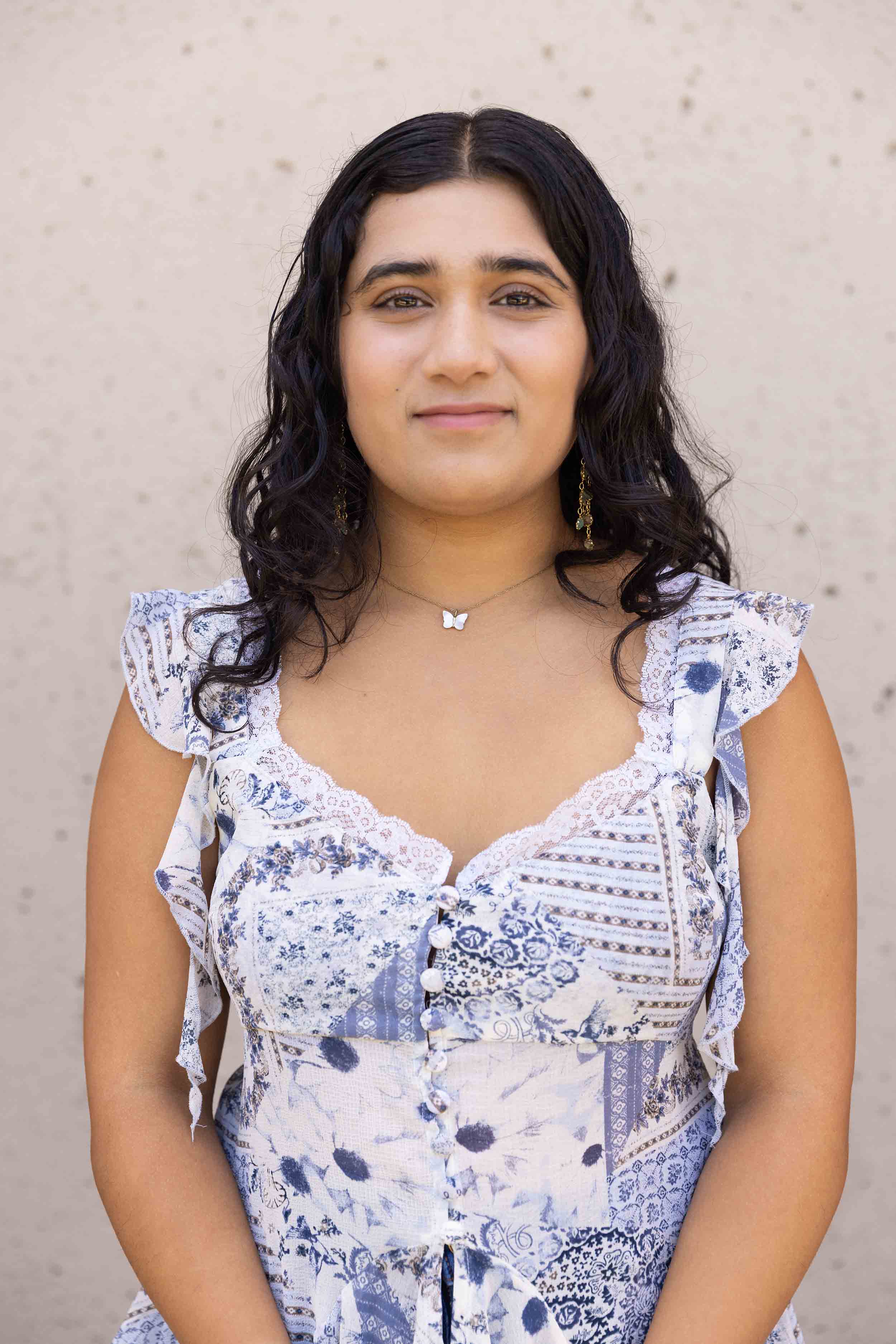
Sanaa Taqvi ’29
Under the supervision of Amy Kind, the Russell K. Pitzer Professor of Philosophy and Director of the Gould Center for Humanistic Studies, Taqvi studied the relationship between desire and identity. With co-researcher Ruiyi Qiang ’29, Taqvi read philosophical texts, created annotated bibliographies, and mapped out major debates on the subject she “wanted to spend the summer thinking about.”
A dual Government and Economics major, she also developed her own independent paper on adaptive preferences and the problem of freedom.
A little more from Taqvi:
Big takeaway: I learned so much about the research process. I became much more familiar with academic databases and search tools, learned how to quickly determine whether an article is worth reading, and improved my reading speed and comprehension when engaging with dense philosophical texts. It’s been a rewarding combination of collaborative research, independent writing, and building practical research skills.
This surprised me: How much my own thinking changed over the course of the project. I started the summer thinking there would be a fairly clear answer to what seems like a simple question: what makes a desire authentically yours? But the more I read, the more I realized how deeply intertwined authenticity, social influence, and personal identity really are…and by the end of the summer, my thesis looked very different from where it started.
Most proud of: The opportunity to develop and defend a philosophical theory that was my own. I moved beyond simply understanding and explaining other philosophers' ideas and started synthesizing them into an original argument.
On partnering with a prof: Collaborating with Professor Kind has been an amazing opportunity. She always took my ideas seriously, challenged me to strengthen my reasoning, and made me feel like my perspective was worth contributing.
Kind weighed in: “This is my third summer supervising students through SRP, and it was once again a complete pleasure. My research team did excellent work—and the thought-provoking issues raised by their individual lines of research inquiry proved enormously useful. Getting to collaborate closely with our excellent students is one of my favorite parts about working at CMC.”
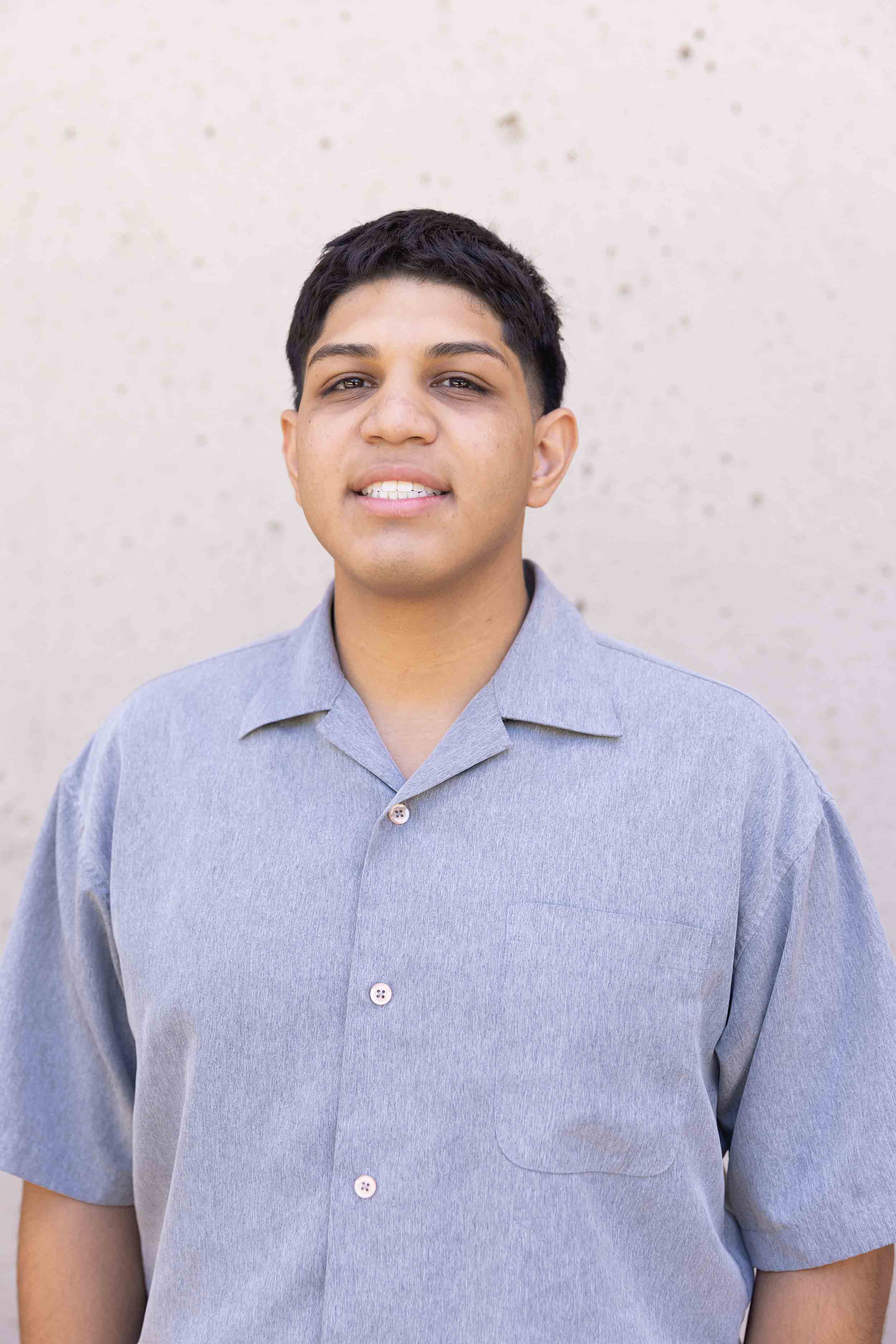
Kevin Martinez ’29
An Integrated Sciences major and first-generation college student, Martinez was inspired to participate in SRP after taking the foundational KDIS course “Codes of Life” his first-year at CMC. Having conquered and enjoyed SRP, he is enthusiastic about scientific research as a potential career path: “Just because it was hard doesn’t mean it wasn’t fun.”
Working with Shaun Lee, Kravis Associate Professor of Integrated Sciences: Molecular Biology and Microbiology, Martinez used molecular and cellular approaches, along with tissue culture and microbiology, to study a specific strain of commensal bacteria—E. coli Nissle 1917(EcN)—and its potential efficacy in the treatment of human disease.
A snapshot from Martinez:
Big takeaway: The most important thing I learned was ask questions. Through questioning, I learned that it’s okay not to know everything. You can only theorize and make hypotheses and just keep asking questions.
Most proud of: I got it done. SRP gave me the sense that even though my experience with science and research might not be as developed as other students, it doesn’t mean I’m behind. I’m just experiencing new things. And I managed. I went to the lab, the same as other students. I was confused, I learned new things, the same as other students. So, I’m giving myself more credit now. I’m at CMC for a reason.
A growth moment: I learned so much about myself during SRP, including how to take care of myself to a totally different extent. I’d been going to Collins to eat, but this summer, I had to learn how to cook for myself. Let’s just say that the air fryer was my friend.
On partnering with a prof: Professor Lee is a mentor that builds students’ confidence by asking questions about how and why things are done a certain way. This questioning style helped me have mastery of what I’m looking for and why it matters.
Lee remarked: “As a professor and researcher at CMC, the SRP program allows me to interact with excellent CMC students like Kevin in my lab over the summer—students that are inquisitive, dedicated, and excited about their research projects.”
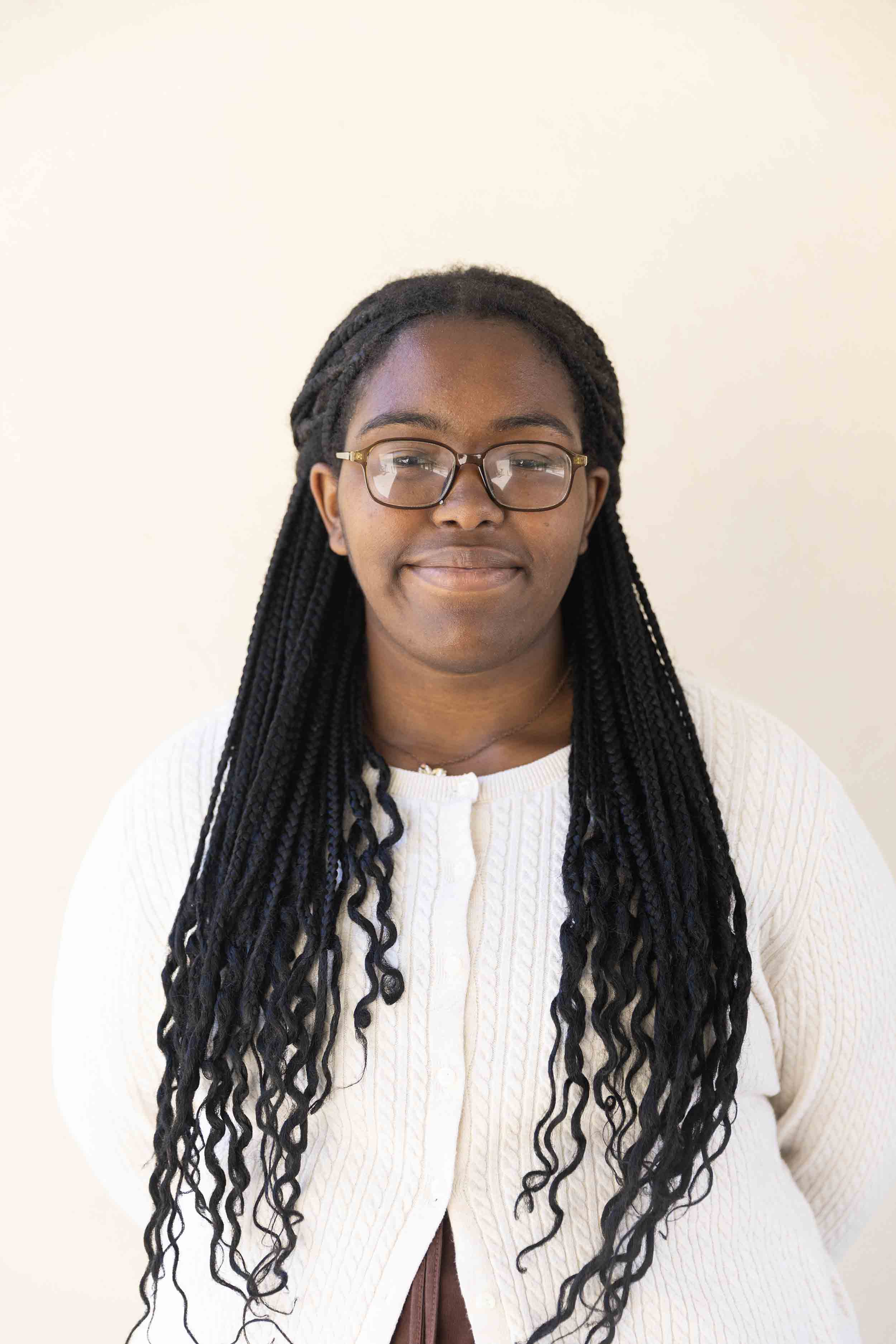
Danah Plair ’28
Along with research teammates Emily Montenegro ’28 and Yessica Ventura Morales ’28, and under the guidance of Wendy de los Reyes, Assistant Professor of Psychological Science and Director of the AMPLIFY Lab, Plair examined how Latine youth take action on social issues and how their civic engagement is shaped by community contexts and relationships. A dual major in Integrated Sciences and Government, Plair also pursued her interest in youth climate activism as an independent project.
Plair on her experience:
Big takeaway: The most significant benefit has been learning how to properly code and analyze qualitative interviews. These are essential tools that I’ll use throughout my time in the research lab, and I’m grateful that I got the chance to learn and practice them in such an encouraging space.
Who knew? The most interesting thing I’ve learned is how complex qualitative research is. There are so many different methods through which you can conduct a study, from narrative research to ethnographic research.
Most proud of: I’m really proud of how quickly my lab mates and I were able to pick up qualitative coding, and how well we worked together as a team. Being able to support each other has been amazing, and I’m so glad that I got the chance to work with them over the summer.
On partnering with a prof: Collaborating with Professor de los Reyes was amazing. She cultivated a bright and welcoming environment and made the process of learning very enjoyable and smooth. She’s extremely supportive, and I look forward to continuing to collaborate with her!
de los Reyes noted: “I really appreciated the opportunity to delve deep into my students’ research methods training. Now they’re ready to take on leadership roles in the lab next year. Danah, Yessica, and Emily’s enthusiasm to learn and wrestle with these advanced methods was a highlight of my summer.”