


Emeritus Professor John Roth may have retired from CMC in 2007 after 40 years on the faculty, but with two new books and a recent talk in the Marian Miner Cook Athenaeum, the wisdom of this beloved scholar, teacher, philosopher, mentor, and friend continues to resonate.
To a rapt Athenaeum audience in September, Roth delivered what he called his “valedictory” speech. For the second time in as many years—Roth last spoke in the Ath in 2024—he received a standing ovation.
“I may not pass this way again,” said Roth, 86, in a conversation preceding his talk. “I want to make the last words I probably will ever speak at the Athenaeum a ringing endorsement of the importance of the Athenaeum as a place for free and open inquiry and for philosophy. And one of the things about philosophy, when it's at its best, it speaks truth to power. Philosophy seeks truth. It goes where the inquiry leads, and then it says it.”
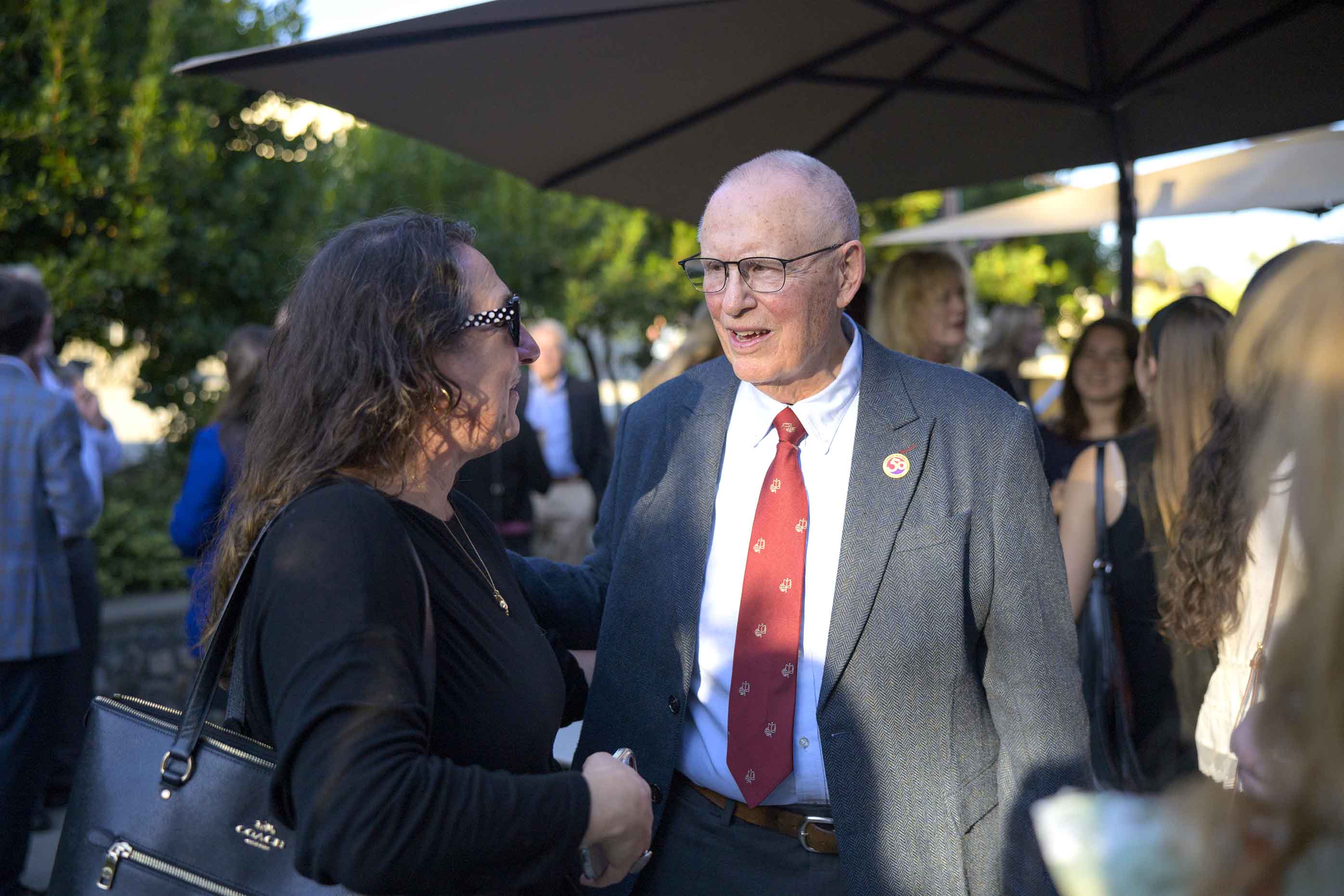
Roth, the Edward J. Sexton Professor Emeritus of Philosophy and Founding Director of the Center for the Study of the Holocaust, Geocide, and Human Rights (now the Mgrublian Center for Human Rights), took his own advice at the Ath. He stood at the podium and said it. Roth “pulled no punches” in describing his fear about the future of our country due to rampant deterioration of “Reverence for Law”—the title of his talk.
Describing reverence as a “virtue that infuses and nuances all the others,” Roth argued that democratic freedom—the liberty and justice promised to all—cannot be preserved without virtuous citizens and leaders.
“Virtue moves us to do what is right and just, fair and good … When virtue goes missing, confusion, corruption, and chaos fill the void,” he said.
Roth centered his Ath remarks on Abraham Lincoln’s 1838 Lyceum Address, “because no American text about Reverence for Law is more insightful or timely,” he said. Lincoln’s words “warn and alert us” to an internal threat to democracy: We the people can put people of questionable character in office.
“What worried Lincoln,” Roth said to the audience, “was that after the successful founding of the United States, ‘men of ambition’ might be among us, people whose gratification would not be found in ‘supporting an edifice that has been erected by others.’”
Roth found a similar concern among the nation’s founders as they debated the best way to form a new government. They knew, Roth said, that the Constitution alone was not sufficient to safeguard the Republic.
“Again and again in their writings, they're all saying something like, ‘If people aren't of good character, none of this will matter. It won't work.’”
“Absent virtue,” Roth added, “law, constitutions, elections—none of these is sufficient to guarantee democracy and the rule of law.”
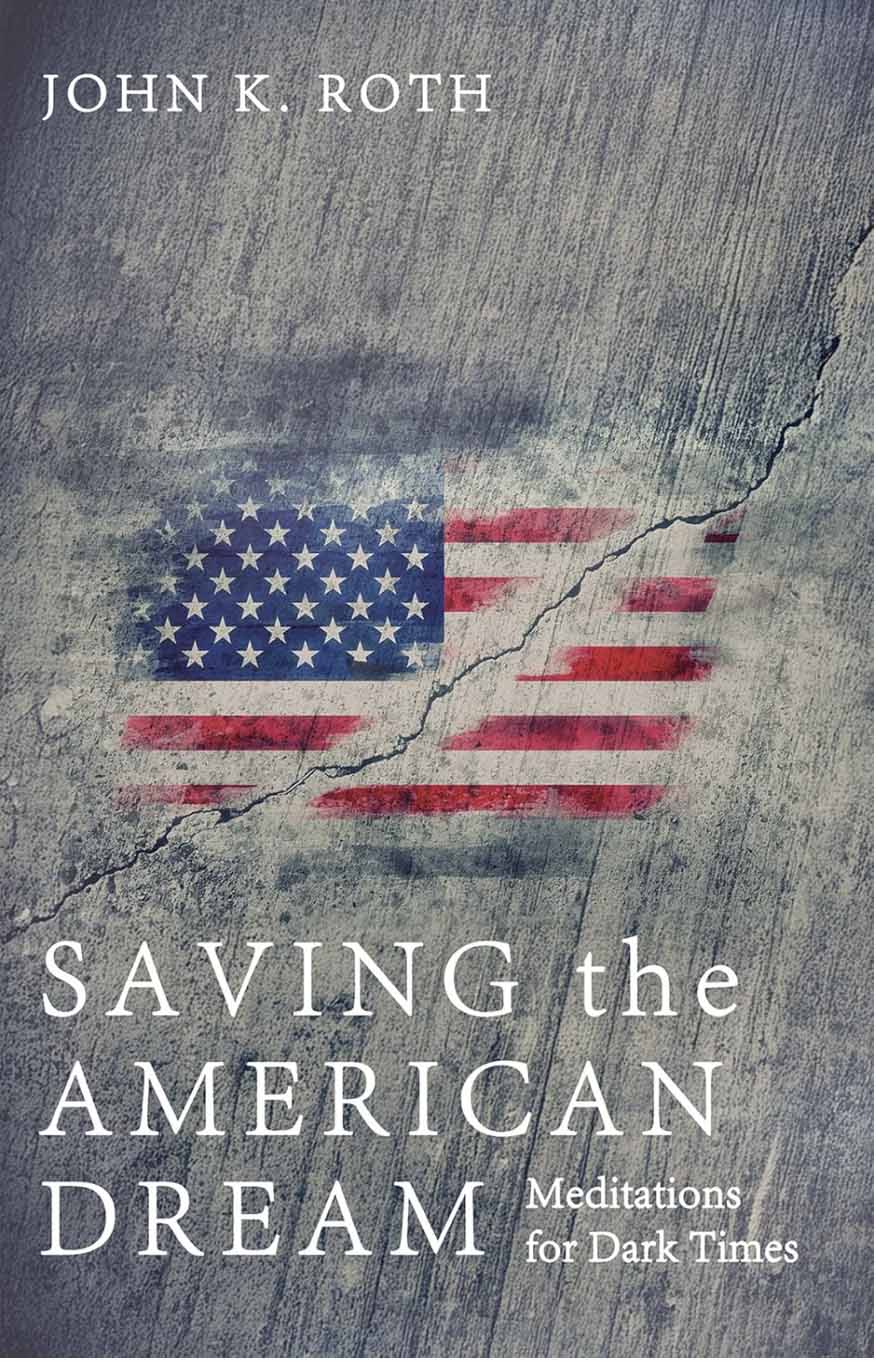
This concern also runs through Roth’s new book, Saving the American Dream: Meditations for Dark Times. Published in March, the book is an outgrowth of “Perspectives on the American Dream,” a course Roth taught at CMC for decades.
Rooted in the Constitution both in principle and structure, the book’s introduction, seven chapters, and concluding ideas for change model the historical document’s preamble, articles, and amendments. It explores the American Dream as an ethical ideal and moral compass that can point the way through troubling times.
For Roth, the lessons of the American Dream are inseparable from the lessons of the Holocaust. Frequently, CMC students took his classes on both subjects simultaneously: “The two courses became like mirrors, or prisms, or lenses for each other,” he said.
“The reason I taught about the Holocaust is because the Holocaust is a warning. The Holocaust warns us that liberty and justice are not guaranteed,” Roth continued. “I cannot think about the American Dream without thinking about the Holocaust, and I cannot think about the Holocaust without thinking about the American Dream.”
Roth’s contemporary scholarship continues to reflect this parallel. Earlier this year, one month before publishing Saving the American Dream, he published This Time: Teaching the Holocaust Today (February 2026).
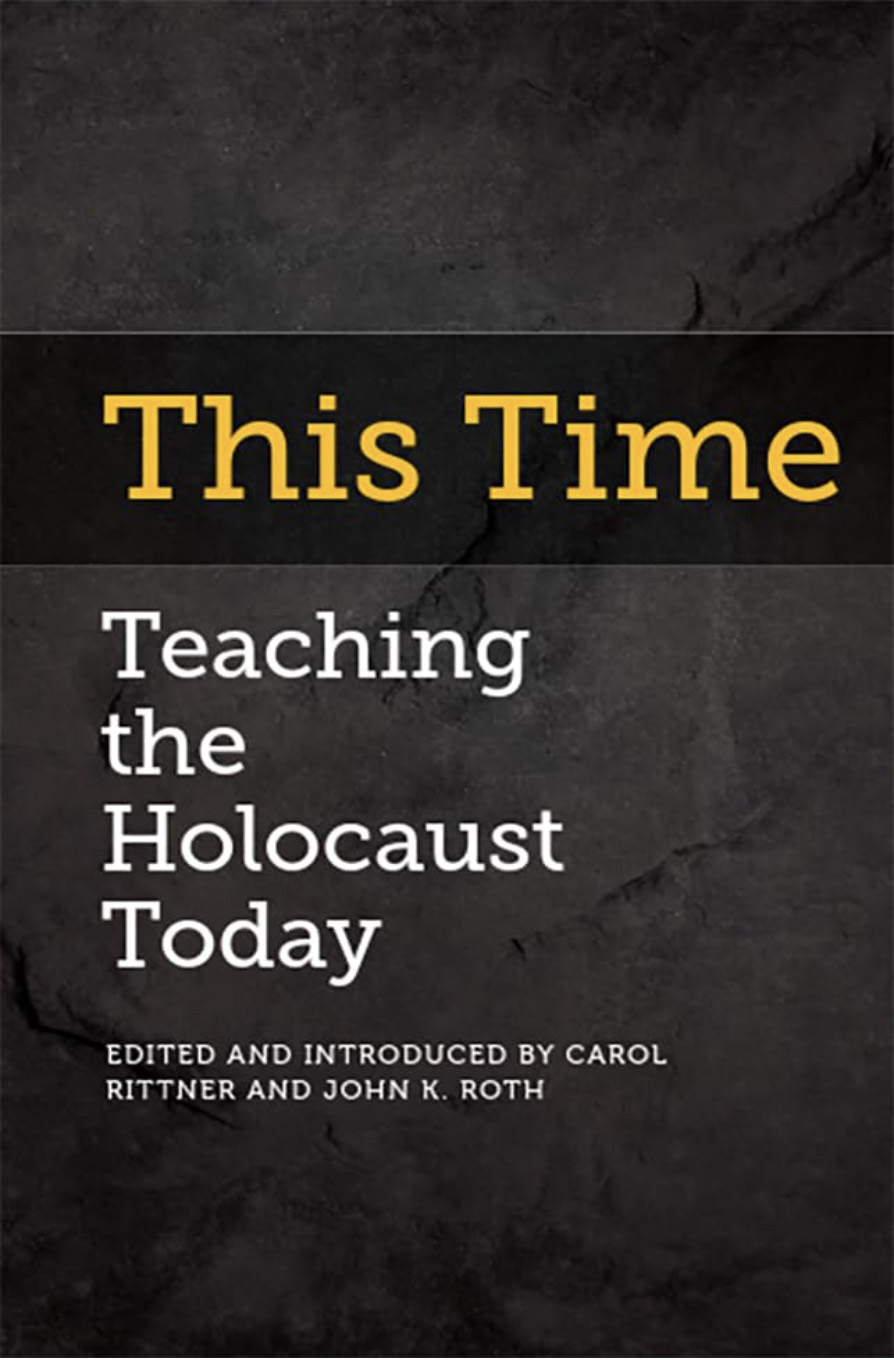
Co-edited with Carol Rittner, This Time presents a collection of essays by American authors—including CMC faculty Wendy Lower, the John K. Roth Professor of History, and Jonathan Petropolous, the John V. Croul Professor of European History—who weigh in, often in disagreement with each other, about what educators should “keep doing, stop doing, and start doing” when teaching the Holocaust in the context of today’s societal and political realities.
Across his scholarship and in his continued engagement with the CMC community, Roth delivers a pressing message: Be informed.
Know our country’s history, he urged, so we can guard against what Lincoln warned about: “threats lurking as memory of the nation’s founding unavoidably faded,” Roth paraphrased. And know the present, so we can make informed choices in the 2026 and 2028 elections, which Roth called “the most important ones in my lifetime.”
“I'm hopeful that these two election opportunities, which are going to test us in all kinds of ways, will be pivotal points in saving the American Dream in the sense of returning us to the rule of law, producing resistance against corruption, and creating more civic responsibility, especially among our elected officials.
“I think we have a chance. We have a chance to save the American Dream. We have a chance to become more virtuous. We have a chance to deepen Reverence for Law. But it's just a chance. It all depends on what we do.”
Watch Professor Roth’s talk on “Reverence for Law,” which was delivered in the Athenaeum on September 23, 2026.