Marian Miner Cook
Athenaeum

A distinctive
feature of social and
cultural life at CMC


Welcome to The Athenaeum

Unique in American higher education, the Marian Miner Cook Athenaeum (the “Ath”) is a signature program of Claremont McKenna College. Four nights a week during the school year, the Ath brings scholars, public figures, thought leaders, artists, and innovators to engage with the CMC and Claremont College community. In addition, the Ath also hosts lunch speakers, roundtables, and smaller presentations in its two auxiliary dining rooms.

For decades, the Ath has hosted a spectrum of luminaries with expertise and insight on a wide range of topics, both historical and contemporary. In the Ath’s intimate yet stimulating setting, students, faculty, staff, and other community members gather to hear the speaker, pose questions, and to build community and exchange ideas over a shared meal.

At the core of the Ath is a longstanding commitment to student growth and learning. Central to the Ath are its student fellows, selected annually to host, introduce, and moderate discussion with the featured speaker. Priority is given to students in attendance during the question-and-answer session following every presentation. Moreover, speakers often take extra time to visit a class, meet with student interest groups, or give an interview to the student press and podcast team.

Tue, February 17, 2026
Dinner Program
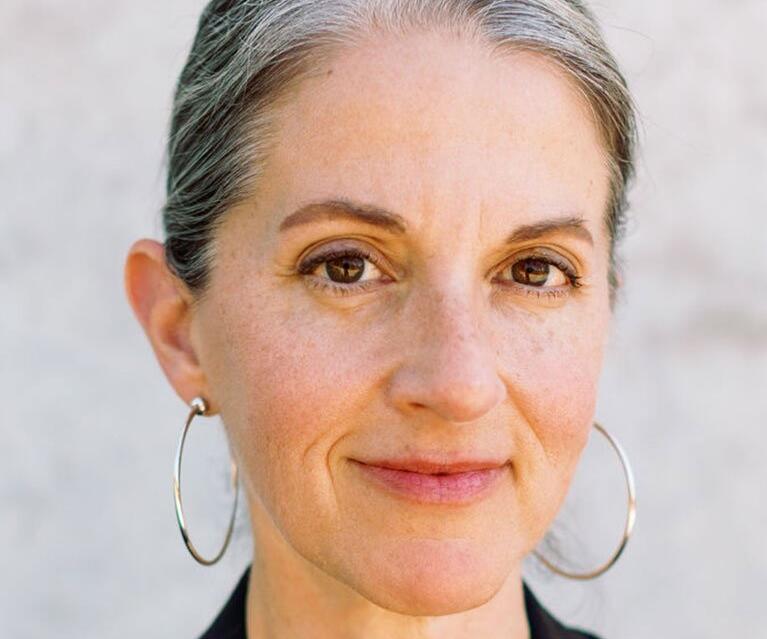
Danielle Allen

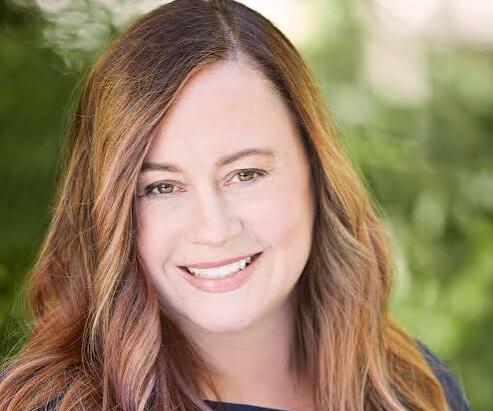
Danielle Allen, professor of political philosophy, ethics, and public policy at Harvard University, draws an arc from the American founding to the present to explore how the original vision of the Declaration of Independence can serve us still, even as we also recognize and remedy its imperfections.

(Photo credit: Melissa Blackall_PrimaryHR)

Read more about the speaker

Danielle Allen is James Bryant Conant University Professor at Harvard University. She is also director of the Allen Lab for Democracy Renovation at the Harvard Kennedy School and director of the Democratic Knowledge Project, a research lab focused on civic education at the Harvard Graduate School of Education. A professor of political philosophy, ethics, and public policy, she is also a seasoned nonprofit leader, democracy advocate, tech ethicist, and distinguished author. She is a contributing columnist at The Atlantic Magazine, winner of the 2025 Barry Prize, and was the 2020 winner of the Library of Congress’ Kluge Prize, which recognizes scholarly achievement in the disciplines not covered by the Nobel Prize. She received the Prize “for her internationally recognized scholarship in political theory and her commitment to improving democratic practice and civics education.”

Across nearly three decades in higher ed, Danielle has worked to make the world better for young people. She won the Quantrell award for excellence in undergraduate teaching at the University of Chicago, where she also served as Dean of the Division of Humanities (2004-7); she chaired the board of the Mellon Foundation (2015-19), as that foundation expanded the range of institutions in which it invests; she wrote for the Washington Post from 2008-2024, with a column on constitutional democracy; and she has developed a public policy portfolio on issues from cannabis legalization and public health policy to democracy renovation, civic education, and sound governance of and with new technology.

As a scholar, Allen currently concentrates on democracy renovation: studying how to reconnect people to their civic power, experience, and responsibility via civic education and how to redesign our political institutions to improve their responsiveness, increase the accountability of officeholders, and reward the participation of ordinary citizens. Her most recent book, Justice by Means of Democracy, provides the foundation for this work. Her forthcoming book, The Radical Duke, a biography of an 18th century British political reformer, is due out with Liveright/Norton in 2026.

Professor Allen’s Athenaeum presentation is co-sponsored by Kravis Lab for Civic Leadership, the Open Academy, the Salvatori Center, and the President's Leadership Fund, all at CMC.

(Photo credit: Melissa Blackall_PrimaryHR)

Read less

This event is not yet open for registration.
Wed, February 18, 2026
Dinner Program
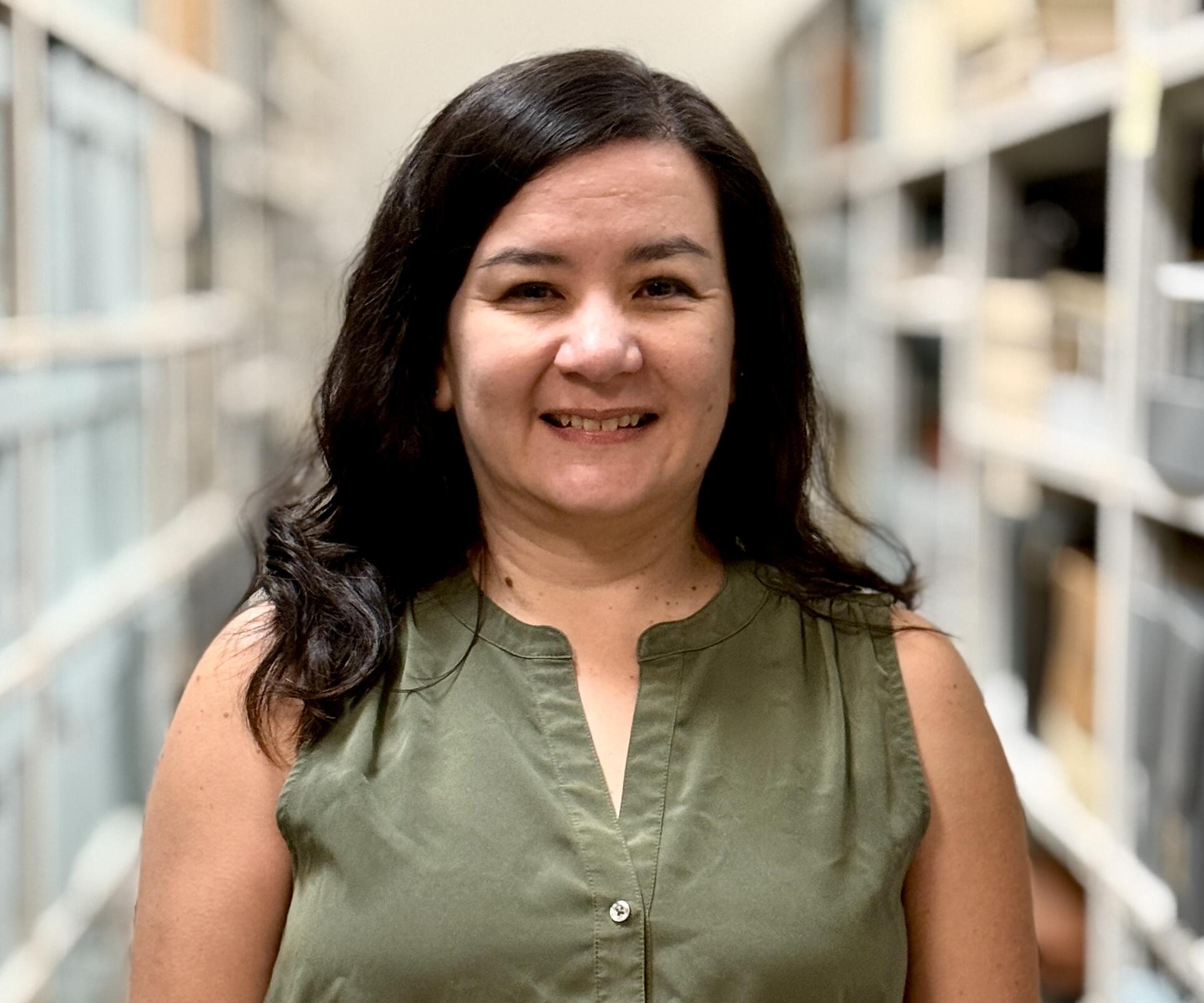
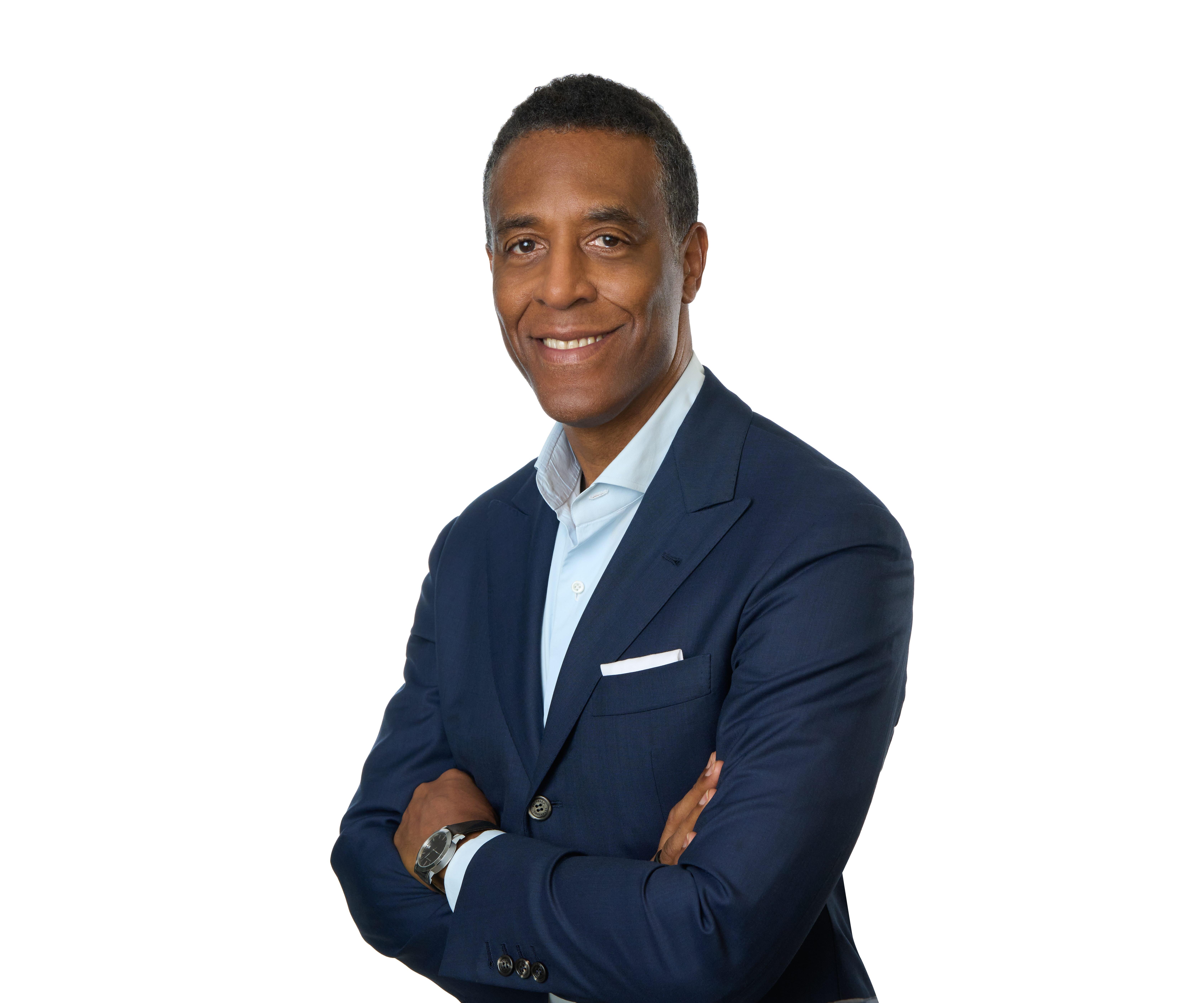
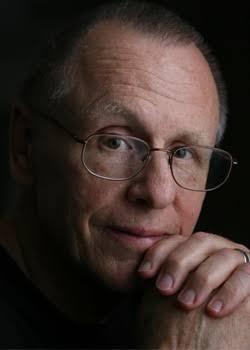
Amy Gallo and Ryan Patel, in conversation

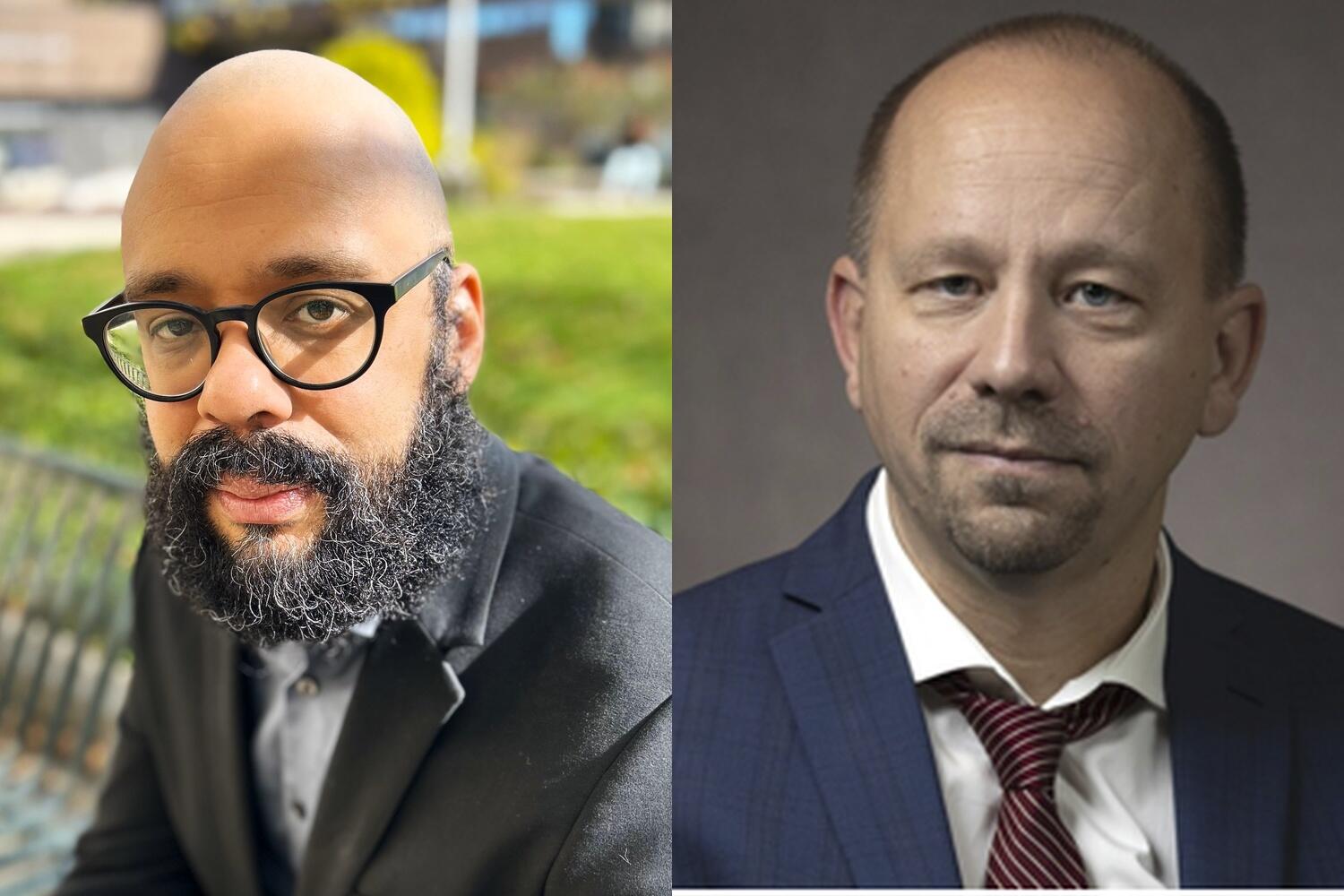
Amy Gallo, contributing editor at Harvard Business Review and author of Getting Along: How to Work with Anyone, and Ryan Patel, global business executive and William F. Podlich Distinguished Fellow at CMC, will explore how women approach conflict and connection in the workplace. They’ll discuss how gender expectations influence communication—and how rethinking disagreement can create more equitable, collaborative environments.

(Photo credit for Ms. Gallo's photo: Stephanie Alvarez Ewens)

Read more about the speaker

Amy Gallo works with individuals, teams, and organizations to help them better collaborate, communicate, and transform their culture to support dissent and debate. She is the best-selling author of Getting Along: How to Work with Anyone (Even Difficult People) and the Harvard Business Review "Guide to Dealing with Conflict." She has published often in Harvard Business Review, where she is a contributing editor. Her writing has been collected in numerous books including on feedback, emotional intelligence, and managing others. 

From 2019 to 2025, Gallo co-hosted HBR's popular Women at Work podcast, examining the struggles and successes of women in the workplace. Gallo has delivered keynotes and workshops at numerous companies and conferences and often appears in media outlets for her perspective on workplace dynamics, conflict, and difficult conversations. Her advice has been featured in multiple news outlets internationally. 

A graduate of Yale College, she holds a master’s in public policy from Brown University. 

Ryan Patel is currently a William F. Podlich Distinguished Fellow at CMC. Patel is an expert in scaling businesses and has served both startups and publicly traded firms. Listed as one of the “Creators to Follow” by LinkedIn Editor in Chief and recognized as a “Top Voice” on Linkedin, Patel is a news commentator board director. Patel also hosts "The Moment with Ryan Patel," featuring conversations with top innovators and executives. 

 This program is co-sponsored by the Financial Economics Institute and Kravis Leadership Institute, both at CMC.

Read less

This event is not yet open for registration.

Thu, February 19, 2026
Lunch Program
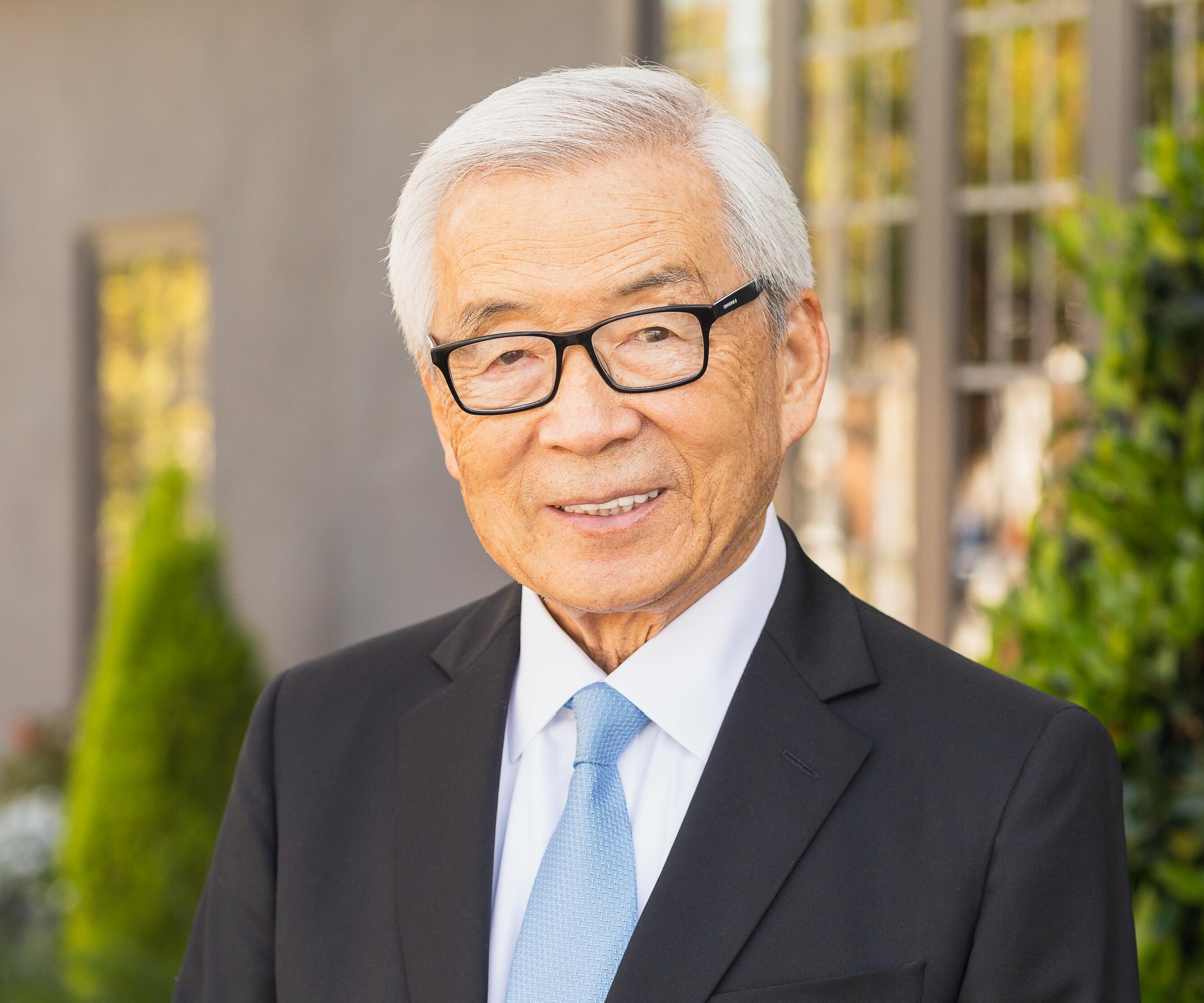
Sean Kennedy

Every day, young people enter into California’s criminal justice system. Some are caught up in gang affiliations, others simply in areas of high police surveillance. But often the particularities of their social contexts are entirely ignored after being arrested. Sean Kennedy, executive eirector of the Center for Juvenile Law & Policy at Loyola Law School, works with social forensics teams to bring specific community context information to trial in order to help judges and juries better understand the young people sitting before them in court. Kennedy will explain how the criminal justice system operates for young offenders, and what can be done to address legal inequities for youth from marginalized communities.

(Photo credit: Loyola Law School)

Read more about the speaker

Sean Kennedy is the executive director of the Center for Juvenile Law & Policy at Loyola Law School. For the past 15 years, he has taught appellate advocacy and the death penalty law seminar at the Law School. In 2013, Kennedy was named Criminal Defense Attorney of the Year by the Los Angeles County Bar Association and received the Fidler Institute Award for Defense Lawyer of the Year from Loyola. He is a recipient of the Public Interest Award by Loyola’s Public Interest Law Foundation. Prior to working in public defense, Kennedy was an associate at Talcott, Lightfoot, Vandevelde, Woehrle & Sadowsky, LLP, where he handled white collar criminal defense cases.

Professor Kennedy’s Athenaeum presentation is co-sponsored by the history department at CMC.

(Photo credit: Loyola Law School)

Read less

This event is not yet open for registration.

Thu, February 19, 2026
Dinner Program
Melissa Kearney

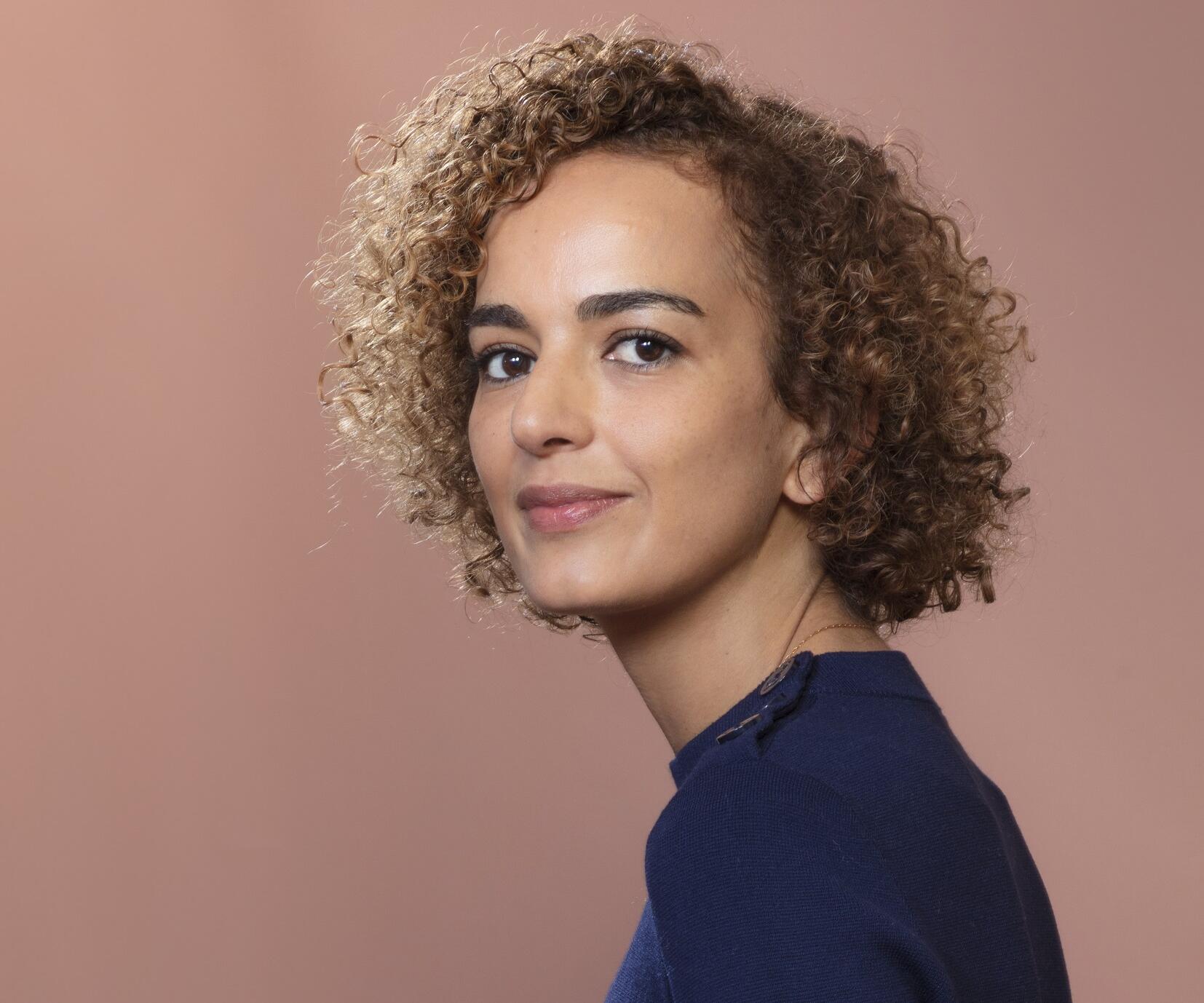
Melissa S. Kearney, professor of economics at the University of Notre Dame and a leading economist of family and social policy, will discuss the forces behind America’s declining birth rates and changing family structure. Drawing on her book The Two-Parent Privilege, Kearney examines how long-term shifts in marriage, fertility, and economic security are reshaping opportunity for children and the future of the U.S. workforce. As fewer Americans form and sustain two-parent households and as more young adults delay or forgo having children, the consequences reach far beyond individual families and affect inequality, workforce readiness, and the nation’s long-term economic prospects. Kearney’s talk will explore why family structure has become one of the most consequential and often overlooked drivers of America’s economic future.

Read more about the speaker

Melissa S. Kearney is the Gilbert F. Schaefer Professor of Economics at the University of Notre Dame and director of the Aspen Economic Strategy Group. She is a research associate at the National Bureau of Economic Research and a nonresident senior fellow at the Brookings Institution. Her research focuses on poverty, inequality, social policy, and the economics of families and fertility.

Kearney is the author of The Two-Parent Privilege (University of Chicago Press, 2023), named a Best Book of the Year by The Wall Street Journal and The New Yorker. 

She holds a B.A. in economics from Princeton University and a Ph.D. in economics from MIT.

Professor Kearney's Athenaeum presentation is co-sponsored by the Lowe Institute of Political Economy at CMC.

(Source: University of Notre Dame)

Read less

This event is not yet open for registration.

Thu, February 26, 2026
Dinner Program
Ian Faquini and Natalie Cressman

The unlikely duo of Brazilian composer/guitarist Ian Faquini and American trombonist/vocalist Natalie Cressman explores the rituals, relationships, and emotions of human nature through the Brazilian songwriting tradition. Through serenely balanced musical vignettes that touch on Afro-Brazilian deities, indigenous culture, and folkloric figures, their music will take us on a journey through many different regions of Brazil and the myriad of musical dialects found in this culturally rich country. Through original songs and classic repertoire that spans generations of oral tradition, this presentation dives into the enduring quality of human-scaled musical narratives and the many forms of spirituality that can be remarkably empathic even if you don’t understand Portuguese.

Read more about the speaker

Describing the musical partnership of Natalie Cressman and Ian Faquini as a duo is accurate, but their collaboration contains multitudes. She’s a trombonist, vocalist and songwriter from San Francisco. He’s a composer, guitarist, and singer from Brasilia. Together they’ve honed a singularly expansive creative communion encompassing their love of the Brazilian songbook, jazz, Impressionism and sophisticated pop songcraft. 

Their original material features lyrics in Portuguese, French and English set to music drawing from a vast stylistic spectrum. With sumptuous two-part vocal harmonies hugging Brazilian-accented Portuguese accompanied by trombone and acoustic guitar, Cressman and Faquini’s richly orchestrated sound seems to emanate from a much larger ensemble.

Ian Faquini and Natalie Cressman's Athenaeum performance is part of a 4-part musical series for this academic year: Devotional and Spiritual World Music featuring Ghanian, South Asian, American Gospel, and Brazilian traditions. 

Read less

This event is not yet open for registration.

Mon, March 2, 2026
Dinner Program
Jeff Sebo

Jeff Sebo, director of the Center for Mind, Ethics, and Policy at New York University and author of The Moral Circle and Saving Animals, Saving Ourselves, will discuss current debates about the sentience and moral status of nonhumans. Can insects experience happiness and suffering? Can AI systems have desires and preferences? How should we treat them when we feel unsure, and what follows for our practices, policies, and priorities?


Read more about the speaker

Jeff Sebo is Associate Professor of Environmental Studies, Affiliated Professor of Bioethics, Medical Ethics, Philosophy, and Law, Director of the Center for Environmental and Animal Protection, Director of the Center for Mind, Ethics, and Policy, Director of the Food Impact Program, and Co-Director of the Wild Animal Welfare Program at New York University. 

He is the author of The Moral Circle and Saving Animals, Saving Ourselves and co-author of Chimpanzee Rights and Food, Animals, and the Environment. He is also an advisory board member at the Jeremy Coller Centre for Animal Sentience, an advisory board member at the Insect Welfare Research Society, an advisor at Eleos AI, and a senior affiliate at the Institute for Law & AI. 

In 2024 Vox included him on its Future Perfect 50 list of "thinkers, innovators, and changemakers who are working to make the future a better place."

Professor Sebo's Athenaeum presentation is co-sponsored by the Gould Center for Humanistic Studies at CMC.

Read less

This event is not yet open for registration.

Wed, March 4, 2026
Dinner Program
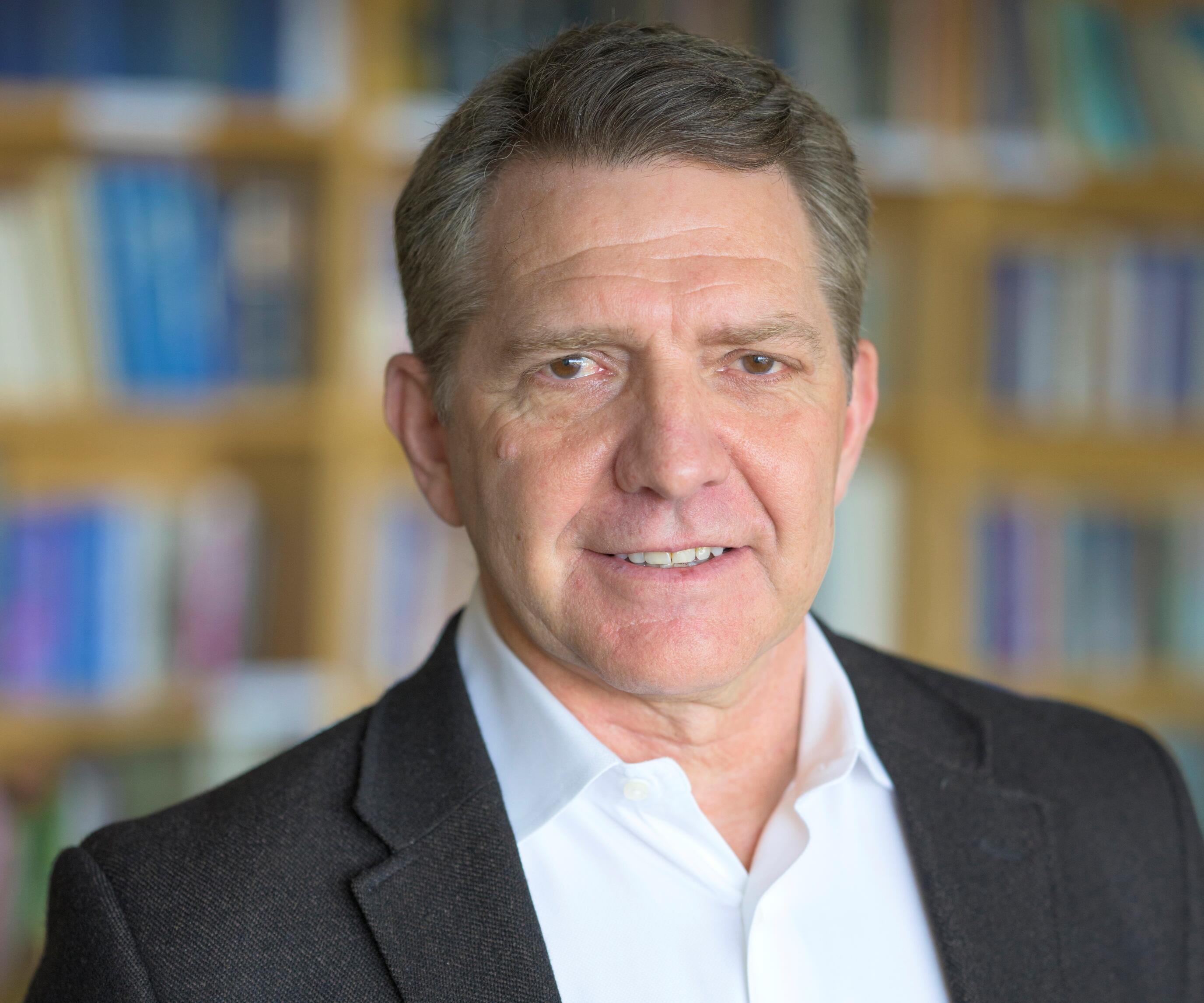
James Stocker

James Stocker, associate professor of global affairs at Trinity Washington University, will discuss how the logics of state, revolution, and foreign intervention have played out in contemporary Lebanese history, from independence through the civil-war and post-civil war period to shed light on debates about the country’s future.

(Parents Dining Room)

Read more about the speaker

James R. Stocker is associate professor of global affairs at Trinity Washington University. He is the author of Spheres of Intervention: US Foreign Policy and the Collapse of Lebanon, 1967–1976, which is being newly reissued in paperback in 2026. He has been a visiting researcher at Georgetown University and the American University of Beirut. He received his Ph.D .from the Graduate Institute of Geneva, where he received support from the Swiss National Science Foundation. He is a RAND Next Generation Faculty Leader.

Read less

This event is not yet open for registration.

Thu, March 5, 2026
Dinner Program
Sandeep Robert Datta P'26

Sandeep Robert Datta P’26, M.D., PhD., professor of neuroscience at Harvard University, will discuss how new technology is revolutionizing our understanding of the brain and how abrupt changes in the compact between universities and the government threaten to derail this progress.


Read more about the speaker

Sandeep Robert Datta P’26 is a professor in department of neurobiology at Harvard Medical School. His lab focuses on understanding how sensory cues — particularly odors — are detected by the nervous system, and how the brain transforms information about the presence of salient sensory cues into patterns of motivated action. This work involves studying genes involved in detecting sensory information, revealing the patterns of neural activity deep in the brain that encode sensory maps of the outside world, and probing the fundamental statistical structure of behavior itself. His lab has developed AI-based technologies that allow researchers to understand how the brain builds body language and revealed why COVID-19 causes patients to lose their sense of smell. 

Datta has published numerous articles on his research in journals including Cell, Science and Nature, is a reviewer and an editor at multiple scientific journals, and is an Associate Member of the Broad Institute. Dr. Datta has received the NIH New Innovator Award, the Burroughs Welcome Career Award in the Medical Sciences, the Alfred P. Sloan Research Fellowship, the Searle Scholars Award, the Vallee Young Investigator Award, the McKnight Endowment Fund Scholar Award and has been named a fellow of the National Academy of Science/Kavli Scholars program. Datta has also co-founded or advised many neuroscience start-ups, including Neumora, Gilgamesh Therapeutics, Osmo, Tenvie and Axiom Labs.

A graduate of Yale College, Datta earned his M.D./Ph.D. at Harvard University, then worked as a postdoc with the Nobel laureate Richard Axel at Columbia, and joined the Harvard faculty in 2009.

Read less

This event is not yet open for registration.

Mon, March 9, 2026
Dinner Program
Don Romesburg '93

Historian Don Romesburg '93, a lead scholar implementing California's groundbreaking FAIR Education Act, will discuss the long journey to bring LGBTQ history education to the nation's K-12 schools. Today, many states have followed California’s inclusive lead, yet other states and the federal administration are enacting systematic erasures of queer and trans histories. In 2025, the Supreme Court further restricted inclusive curriculum in ways that have sent shockwaves across the country. Romesburg will contextualize these tensions and share strategies to make dynamic history education relevant for all students and families.


Read more about the speaker

Don Romesburg ’93 is the author of Contested Curriculum: LGBTQ History Goes to School (Rutgers UP, 2025) and editor of the Routledge History of Queer America (2018). As the lead scholar working with advocates to pass the FAIR Education Act, he helped usher LGBTQ content into California's 2016 K-12 History-Social Science Framework and subsequent textbooks. He now trains educators on implementation. For these efforts, he is the namesake of the LGBTQ+ History Association’s Don Romesburg Prize for K-12 Curriculum. Romesburg is also a co-founder of the GLBT Historical Society Museum in San Francisco and Managing Editor of TSQ: Transgender Studies Quarterly. 

Romesburg earned a Ph.D. in U.S. History with an interdisciplinary emphasis on Women, Gender, and Sexuality from the University of California, Berkeley, an MA in history from University of Colorado, Boulder, and a history BA from Claremont McKenna College. 

He now serves as Dean of Social Sciences and Fine Arts at Clark College in Vancouver, WA.

Read less

This event is not yet open for registration.

Mon, March 23, 2026
Dinner Program
Michael Vorenberg

When does a war begin? When does it end? Start dates and end dates for wars are readily available in textbooks, but are the beginnings and endings really so obvious? Currently, the U.S. claims not to be at war with any nation, yet it is claiming the existence of war as justification for all sorts of policies, from deportation to military occupation of American cities to tariffs. The confusion around the meaning of wartime is not new. It dates back to the U.S. Civil War. Michael Vorenberg, professor of history at Brown University, examines the ways that the Civil War created modern, elastic notions not only of war power but also of war time.
 

Read more about the speaker

Michael Vorenberg received his A.B. and Ph.D. from Harvard University and is professor of history at Brown University, where he has taught since 1999. He is the author of Final Freedom: The Civil War, the Abolition of Slavery, and the Thirteenth Amendment, a Finalist for the Lincoln Prize and a major source for Steven Spielberg’s 2012 film Lincoln. His most recent book is Lincoln’s Peace: The Struggle to End the American Civil War, which was published by Alfred A. Knopf in 2025. He is currently on the board of editors of the Journal of Constitutional History and was previously on the board of editors of Law and History Review. He is also a Distinguished Lecturer for the Organization of American Historians. His forthcoming article comparing declared states of emergency in Civil War-era America and present-day America will be published in the summer of 2026.

Professor Vorenberg's Athenaeum presentation is co-sponsored by the Salvatori Center at CMC.
 

Read less

This event is not yet open for registration.

Marian Miner Cook Athenaeum

Claremont McKenna College
385 E. Eighth Street
Claremont, CA 91711

Contact

Phone: (909) 621-8244 
Fax: (909) 621-8579 
Email: