Marian Miner Cook
Athenaeum

A distinctive
feature of social and
cultural life at CMC


Current Semester Schedule

Athenaeum events are posted here as detailed information becomes available.

Tue, September 24, 2024
Lunch Program
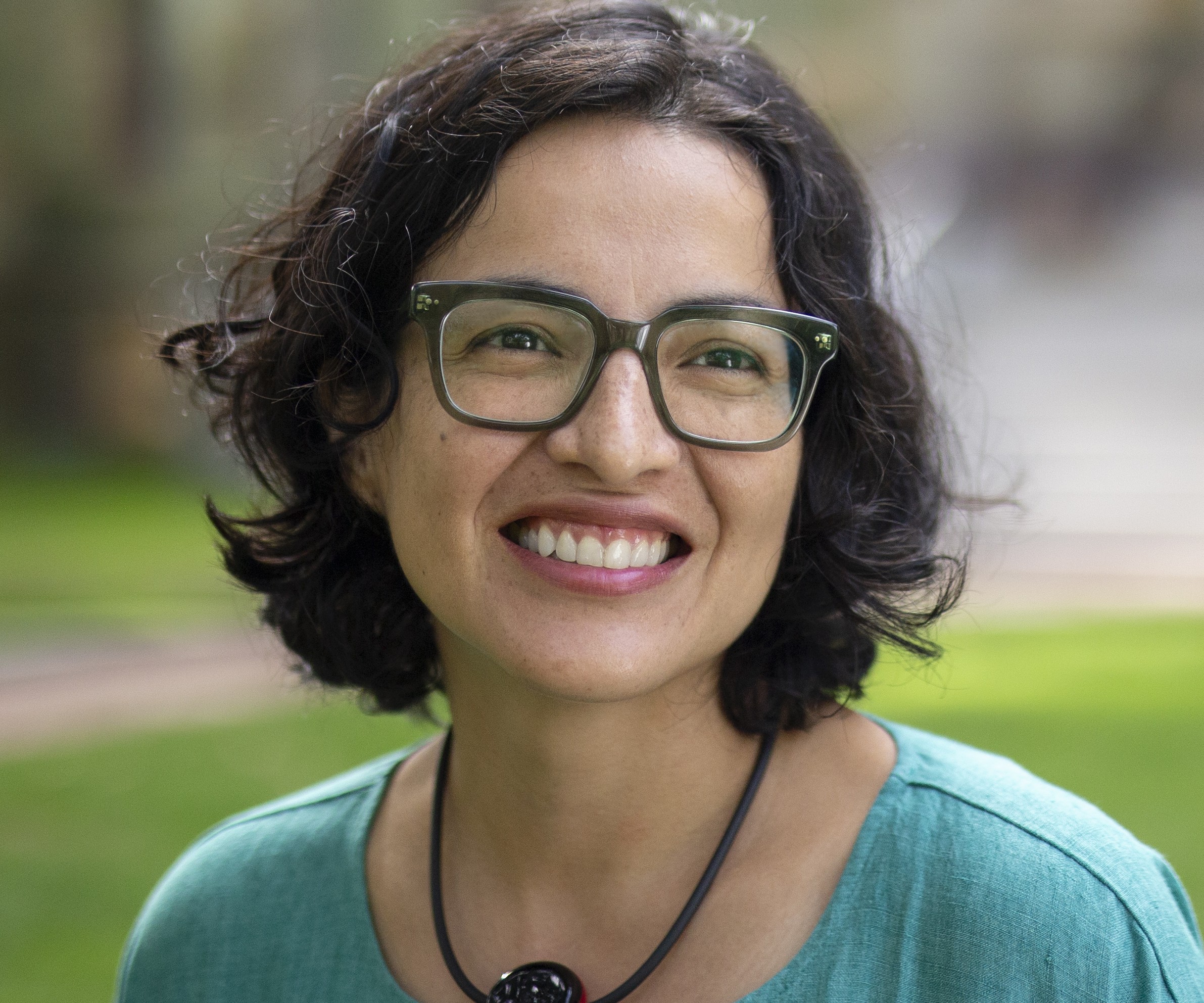
Vernon C. Grigg III and Lily Geismer

Join the Kravis Lab for Civic Leadership for the sixth installment of Civitas Sessions (continuing from last year), an Athenaeum lunch series designed to build real-world civic skills and the knowledge needed to live thoughtful, productive lives as responsible community members and leaders. Each session will deliver practical knowledge and discuss the application of the subject matter to important current issues. With a welcoming ‘come-as-you-are’ atmosphere, the Civitas Sessions focus on the stuff you need to know before it becomes the stuff I wish I had known… 

In this session Vernon C Grigg III, J.D., Executive Director of the Kravis Lab, and Lily Geismer, Professor of History at CMC, will discuss The Civic Implications of School Choice and Private Education in the United States.

Public education has long been a core responsibility of government and considered critical to the flourishing of democracy. Increasingly, other models of education have been coming to the fore. This talk will explain and help us better understand the emergence and implications of various alternative educational models like private schools, charter schools, and voucher programs on society and civic identity.

(Parents Dining Room - lunch served at 12:00 noon, program begins at 12:15 PM, but feel free to come a little late if you're getting out of class)

Read more about the speaker

Civitas Sessions is organized by the Kravis Lab and moderated by Executive Director Vernon C. Grigg III, JD. A lawyer by training, Grigg holds degrees from Yale Law School (J.D.), the London School of Economics (G.SC.), and the University of Michigan (BA).  Vernon comes to the Kravis Lab from his role as CEO & President of Up with People, a fifty-five-year-old international nonprofit education and arts organization. He managed a global team of 50 employees across three continents as he led the nonprofit to sustainability and health despite the challenges of the worldwide pandemic.

Lily Geismer’s research and teaching focuses on 20th century political and urban history in the United States, especially liberalism and the Democratic Party. She is the author of Left Behind: The Democrats’ Failed Attempt to Solve Inequality (PublicAffairs, 2022) which examines the Democratic Party during the Clinton era's effort to use the market-based solutions to address poverty and its long-term impact on both economic inequality and the fate of the Democrats. Her first book, Don’t Blame Us: Suburban Liberals and the Transformation of the Democratic Party (Princeton University Press, 2015), traces the reorientation of modern liberalism and the Democratic Party away from their roots in labor union halls of northern cities to white-collar professionals in postindustrial high-tech suburbs by focusing on the Route 128 corridor around Boston. She is also co-editor of Shaped by the State: Toward a New Political History of the Twentieth Century (University of Chicago Press, 2019) and her work has appeared in the Journal of American History, The New York Times, the Washington Post, the New Republic, and Dissent. In 2018,  she was named an Andrew Carnegie Fellow by the Carnegie Corporation. Her work has also been supported by the American Council for Learned Societies and the Charles Warren Center at Harvard University.

Read less
Mon, September 23, 2024
Dinner Program
YooJin Jang and Sheena Hui '19

Join us for the opening of the 2024-2025 Athenaeum Concert Series, featuring celebrated violinist YooJin Jang and our very own expert pianist Sheena Hui '19!

This year's series, In Freundschaft – In Friendship, celebrates music that recognizes the value of our collaborative human existence, including music dedicated to friends, music that depicts loneliness and companionship, and collaborative music-making.

How did Soviet Russia develop a rich musical identity and canon while other oppressive 20th Century regimes – Nazi Germany, Maoist China – lay “musically barren,” in the words of leading music historian Richard Taruskin? Soviet musicians did not escape political persecution by any means, but a small group managed to survive and produce authentic, enduring masterpieces. Of these composers, Dmitri Shostakovich is a representative case, having fallen in and out of Soviet favor in spectacular fashion throughout his life. On one hand, Shostakovich was a true patriot, never defecting from the USSR unlike fellow composers Prokofiev and Rachmaninoff despite living in constant paranoia; on the other hand, he was a fiercely unique artist, whose artistic integrity found a way into his music through the myriad subtextual possibilities of music. This Athenaeum presentation explores Shostakovich’s Violin Sonata, written for the 60th birthday of his friend, the adored Soviet violinist David Oistrakh. A performance of the work by violinist YooJin Jang and pianist Sheena Hui '19 follows.

Read more about the speaker

Applauded by The Strad for her “fiery virtuosity” and “consummate performances,” violinist YooJin Jang is a winner of the 2017 Concert Artists Guild Competition and First Prize winner of the 2016 Sendai International Music Competition. These successes have resulted in a busy itinerary of international recital and concerto engagements as well as the release of two new recordings.

Her recent concerto performances include appearances with the symphony orchestras of Chautauqua, Dubuque, and Roswell. In recital, highlights include YooJin’s recent Carnegie Hall debut and concerts at Jordan Hall and the Isabella Stewart Gardner Museum in Boston and the Dame Myra Hess Memorial Concert series in Chicago.  Internationally, YooJin has performed with the KBS Symphony Orchestra, Seoul Philharmonic Orchestra, Budapest Festival Orchestra, Bulgaria National Radio Symphony Orchestra, Tokyo Symphony Orchestra, and Spain’s Extremadura Orchestra.

YooJin Jang performs on the 1714 “May-Jacquet” Stradivari Violin on generous loan from the Eastman School of Music.

--

Sheena Hui '19 is the founder of the Athenaeum Concert Series. As a pianist she has performed dozens of solo and chamber recitals in Hong Kong, Europe and across the United States, recently serving as artist-in-residence at Porto Pianofest in Portugal. In addition to her pianistic activities Sheena has an avid interest in music theory; her research focuses on completing unfinished works by the 19th century Russian composer Alexander Borodin.

Sheena is profoundly aware of her responsibility to share the artistry and knowledge she has inherited from her lineage of teachers and mentors. In addition to teaching at various music festivals and institutions, she hopes that the Athenaeum Concert Series will bring a relevant and fresh perspective on classical music to the Claremont community.

Read less
Thu, September 19, 2024
Dinner Program
Dean Logan

We all know it's election season -- but how do you actually design and run a modern election? Dean Logan, Los Angeles County Registrar-Recorder/County Clerk and recognized national leader in election administration will reflect on administering elections in the largest, most diverse jurisdiction in the United States -- how Los Angeles County developed and implemented a publicly-owned voting system, and designed a voting model focused on a meaningful, accessible voting experience.
 

Read more about the speaker

Dean Logan is the Registrar-Recorder/County Clerk for Los Angeles County, California -- the nation’s largest, most diverse local election jurisdiction serving more than 5.7 million registered voters. In addition to election administration, his office records real property documents; maintains vital records; performs civil marriage ceremonies; and processes business filings.

He holds degrees in Organizational Leadership from Azusa Pacific University and a Master of Public Administration from the Evans School of Public Policy and Governance at the University of Washington.

Mr. Logan is currently President of the County Recorders Association of California, past-President of the California Association of Clerks and Election Officials and serves on the Board of Directors for the National Election Center. Additionally, he is Vice President for the United States on the Board for the American Conference of Subnational Electoral Organizations for Electoral Transparency (CAOESTE).

Mr. Logan sits on Advisory Boards for the Electoral Psychology Observatory at the London School of Economics, the MIT Election Data and Science Lab, Auburn University’s Graduate Certificate in Election Administration, University of California Riverside’s Design Thinking Executive Program, and the California State University, Northridge Master of Public Administration Program where he teaches courses on Organizational Leadership, Public Sector Management, Intergovernmental Relations, and Strategic Management.

Mr. Logan's Athenaeum presentation is co-sponsored by the Kravis Lab for Civic Leadership and the Rose Institute for State and Local Government at CMC.

Read less
Wed, September 18, 2024
Dinner Program
Ruben Mendoza Piñuelas

Wrongfully convicted and sentenced to 60 years to life in prison, Ruben Piñuelas began studying the law in his solitary confinement cell, which led to his exoneration. After recently graduating from Pomona College, he is now attending the University of Michigan Law School.

Piñuelas will share his tangled story of overcoming nearly 15 years of incarceration, 12 of those years spent in solitary confinement, and more than 6 years wrongfully incarcerated, where the same intellectual curiosity that allowed him to find a way home has since given him back control of his future through education, resilience, and by embracing the law rather than running from it.

Read more about the speaker

As a first-generation, non-traditional, and justice-impacted student of color from a low socioeconomic upbringing, Ruben Piñuelas uses his academic success as advocacy to reframe how institutions view and treat individuals with similar backgrounds. A widely requested speaker, Piñuelas has given talks at law schools, universities, and conferences, sharing his lived experiences with the criminal justice system's most complex failures in hopes that it can shed light on solutions that are even harder to identify. He plans to continue advocating for change in the legal system and the courtroom as a trial attorney, a civil rights litigator, and one day sitting on the bench as a judge.

Piñuelas currently serves as an Associate Editor of the Michigan Law Review and was named as an SEO Law Fellow & Catalyst Scholar, California ChangeLawyers Next Gen 1L Scholar, JD Advising Scholar, UCLA Law Fellow, White & Case SEO Mentee, and Legal Education Access Pipeline (LEAP) Fellow. He is an Executive Board Member of the National Justice Impact Bar Association and a member of Exonerated Nation and the National Organization of Exonerees. Piñuelas regularly works with Loyola Law School’s Project for the Innocent, the Michigan Innocence Clinic, and other Innocence Project organizations across the country. He is a recipient of the Anjan Choudhury Memorial Scholarship and numerous other generous scholarships that have fully funded his legal education.

Photo credit: Ian Poveda

Read less
Tue, September 17, 2024
Dinner Program
Jonathan Gienapp

Constitutional originalism stakes law to history. The theory’s core tenet—that the U.S. Constitution should be interpreted according to its original meaning—has us decide questions of modern constitutional law by consulting the distant constitutional past. Now that a majority of justices on the U.S. Supreme Court champion originalism, history is being called upon more than ever to decide urgent questions of constitutional law. Yet originalist engagement with history raises as many questions as it answers. In its pursuit of modern legal answers, it often fails to appreciate the distinctive characteristics of the American constitutional past. Jonathan Gienapp, Associate Professor of History and Associate Professor of Law at Stanford University, will explore how originalists use constitutional history and what they too often overlook about the past.

Read more about the speaker

Jonathan Gienapp is Associate Professor of History and Associate Professor of Law at Stanford University.  He specializes in the constitutional, political, legal, and intellectual history of the early United States. His primary focus to date has been the origins and development of the U.S. Constitution, in particular the ways in which Founding-era Americans understood and debated constitutionalism across the nation's early decades. His historical interests intersect with modern legal debates over constitutional interpretation and theory, especially those centered on the theory of constitutional originalism.

His first book, The Second Creation: Fixing the American Constitution in the Founding Era, rethinks the conventional story of American constitutional creation by exploring how and why founding-era Americans’ understanding of their Constitution transformed in the earliest years of the document’s existence. His second book, Against Constitutional Originalism: A Historical Critique, presents a comprehensive historical critique of originalism. It argues that recovering Founding-era constitutionalism on its own terms fundamentally challenges originalists' unspoken assumptions about the U.S. Constitution and its original meaning. Gienapp has lectured widely on the U.S. Constitution and the American Founding era. 

Professor Gienapp's lecture is part of the 2024-2025 Lofgren Program on American Constitutionalism at CMC's Salvatori Center for the Study of Individual Freedom in the Modern World. His lecture is also supported by the Kravis Lab for Civic Leadership at CMC and the Jack Miller Center.

Read less
Mon, September 16, 2024
Dinner Program
Helena Bottemiller Evich '09

Helena Bottemiller Evich '09, founder and editor-in-chief of Food Fix and former longtime senior reporter at POLITICO, will address the politics of food, agriculture and climate change in the U.S., including a look at why it's so difficult to adopt climate-friendly policies, how food is playing in the presidential election, and what's next in Washington. Attitudes about climate change have shifted among farmers and consumers alike, but the politics of regulating food and agriculture remain fraught. Many countries are now factoring in environmental sustainability when making nutrition recommendations -- will the U.S. ever follow? Can consumers trust food that's labeled as climate-friendly? Evich will unpack all of this while weaving in stories from covering food as a journalist in D.C. since she graduated from CMC in 2009. 

Read more about the speaker

Helena Bottemiller Evich '09 is the founder and editor-in-chief of Food Fix, a publication about food policy in Washington and beyond. She previously led food and agriculture coverage at POLITICO for nearly a decade, winning numerous awards, including two James Beard Awards and a George Polk Award, one of the most prestigious honors in journalism. Her 2022 investigation on the FDA's dysfunctional food program and groundbreaking reporting on the infant formula crisis helped fuel one of the biggest reorganizations in FDA’s history.


Before launching POLITICO’s food coverage, Helena was a Washington correspondent for Food Safety News, covering deadly outbreaks and the run-up to Congress passing the biggest update to food safety law in nearly a century.

Evich is a sought-after speaker and commentator on food issues, appearing on CNN, PBS, CBS, BBC and NPR, among others. Her work is widely cited in the media and has also been published in the Columbia Journalism Review and on NBC News.

Ms. Evich’s talk is part of the Roberts Environmental Center’s Sustainable Food Initiative 2024-2025.

Read less
Wed, September 11, 2024
Dinner Program
Ryan Ogliore '00

Laboratory studies of meteorites, Apollo moon rocks, and other samples returned from planetary bodies by robotic space missions have revolutionized our understanding of the Solar System. The next giant leap in exploring the origins of the planets and life in our cosmic neighborhood will require audacious missions that were once only the realm of science fiction. Ryan Ogliore (CMC ‘00), associate professor of physics at Washington University in St. Louis, will discuss space exploration using microscopes (instead of telescopes), and a proposed robotic mission to fly through an active volcanic plume on Jupiter’s moon Io and return pieces of Io’s lava to Earth.
 

Read more about the speaker

Ryan Ogliore '00 is an associate professor of Physics at Washington University in St. Louis. He received his bachelor's degree in physics and mathematics from Claremont McKenna College and received his Ph.D. in physics from the California Institute of Technology. His graduate research was in cosmic ray astrophysics and he currently uses various micro-analytical techniques to study extraterrestrial samples from all over the Solar System. He has worked on several past, current, and future NASA missions in planetary science, heliophysics, and astrophysics. He is a member of the Planetary Science Advisory Committee that advises NASA on its scope, priorities, and implementation of its planetary science programs.

Read less
Tue, September 10, 2024
Dinner Program
Kamala Harris and Donald Trump, televised

This event is for CMC faculty and staff only to register to attend a viewing of the debate between Vice President Kamala Harris and former President Donald Trump.

Please arrive at 5:45 for dinner in Freeberg Dining Room.

Please ONLY register using this form if you are CMC faculty or staff.

Read more about the speaker
Tue, September 10, 2024
Dinner Program
Kamala Harris and Donald Trump, televised

The Kravis Lab for Civic Leadership, in collaboration with the Open Academy and the Dreier Roundtable, invites you to an evening of engagement, insights, and perspectives as Vice President Kamala Harris and former President Donald Trump face off in their first Presidential Debate!  Join friends and colleagues to watch, learn and converse.  Please join us for the history making moment as we shape this nation’s future.

NOTE: To accommodate the debate schedule, programming will begin at 5:00 PM and dinner will be served at 5:30 PM -- there will be no reception. The debate is scheduled to begin at 6:00 PM.

This program is limited to registered attendees from the CMC Community only -- no drop-ins will be permitted.

Read more about the speaker
Mon, September 9, 2024
Dinner Program
Mike Madrid

In 2020, Latinos became the second largest ethnic voting group in the country. They make up the largest plurality of residents in the most populous states in the union, as well as the fastest segment of the most important swing states in the US Electoral College. Fitting neither the stereotype of the aggrieved minority voter nor the traditional assimilating immigrant group, Latinos are challenging both political parties' notions of race, religious beliefs, economic success, and the American dream. Given their exploding numbers—and their growing ability to determine the fate of local, state, and national elections—you’d think the two major political parties would understand Latino voters. After all, their emergence on the national scene is not a new phenomenon. But they still don’t.

Republicans, not because of their best efforts but rather despite them, are just beginning to see a movement of Latinos toward the GOP. Democrats, for the moment, still win a commanding share of the Latino vote, but that share is dwindling fast. Join veteran political consultant Mike Madrid, who uses thirty years of research and campaign experience at some of the highest levels on both sides of the aisle to address what might be the most critical questions of our time: Will the rise of Latino voters continue to foment the hyper-partisan and explosive tribalism of our age or will they usher in a new pluralism that advances the arc of social progress? How and why are both political parties so uniquely unprepared for the coming wave of Latino votes? And what must each party do to win those votes?

Read more about the speaker

Mike Madrid has been a nationally recognized political consultant and authoritative voice on Latino voters for three decades. As a pioneer in Latino communications and outreach strategies for state, local, and national political campaigns, Madrid is one of the few consultants who has successfully worked for major campaigns on both sides of the aisle.

In 2020, Madrid co-founded the Lincoln Project, a Republican anti-Trump organization. He served as an adjunct lecturer on Race, Class, and Partisanship at the University of Southern California in Spring 2021. In 2023, he was awarded the Capitol Award by UnidosUS for a lifetime of service dedicated to the Latino community. Currently, Madrid is a Senior Fellow at UC Irvine's School of Social Ecology.

His book, The Latino Century: How America's Largest Minority Is Transforming Democracy, was published in 2024.

Read less
Mon, April 29, 2024
Dinner Program
The After School Specials

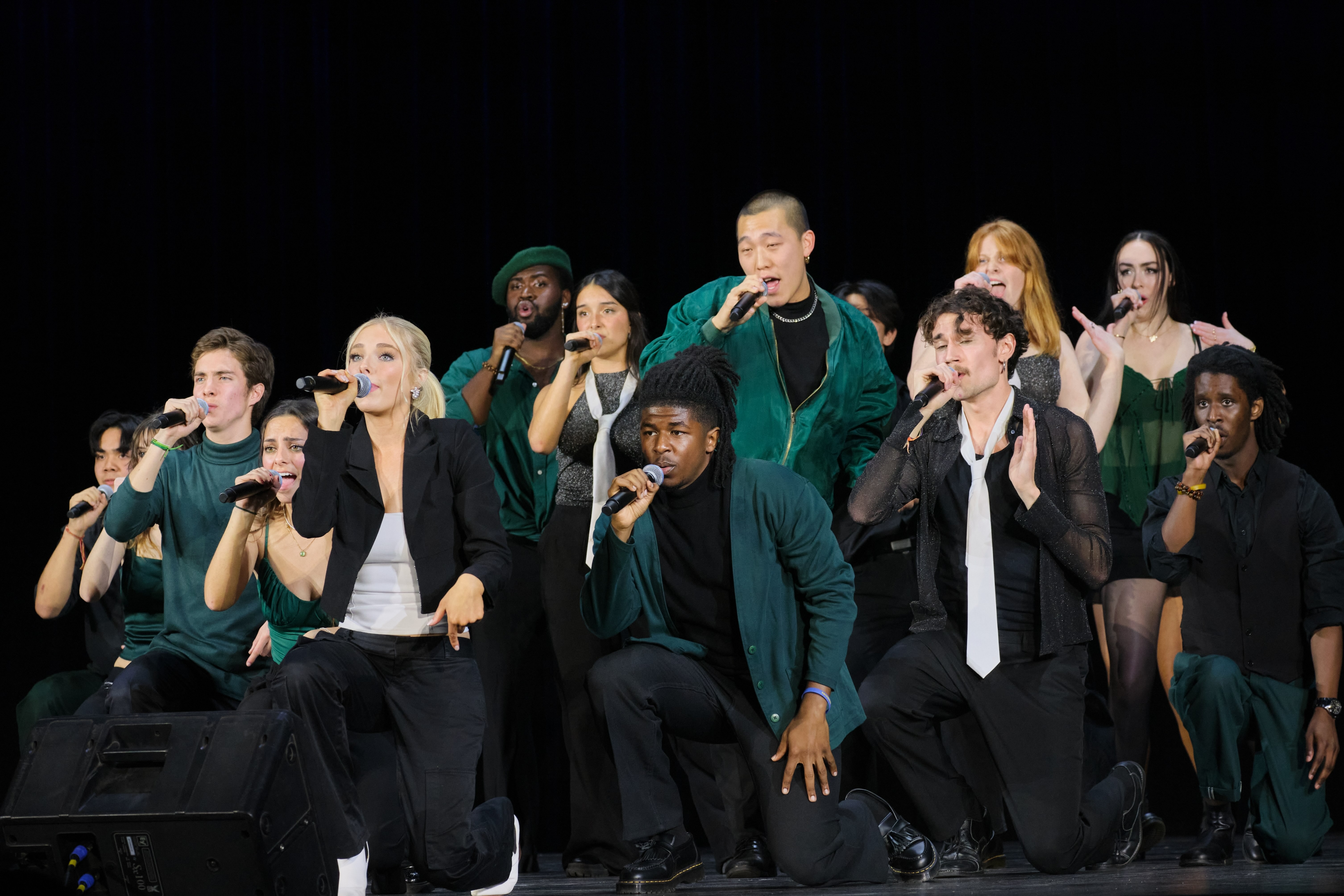
Join the After School Specials, one of the Claremont Colleges' own A Cappella groups, for an evening of live music. Characterized by their upbeat attitudes and forest green attire, the group sings a range of songs, all arranged in-house by their talented music directors. The After School Specials have performed and recorded at exciting locations including The Beacon Theatre, The Fonda Theatre, Diane Warren's recording studio, and the White House. Most recently, they performed at the 2024 Quarter Finals ICCA competition, where they not only placed first overall but also took home the special awards for best choreography and best arrangement.


Beyond their accolades, the After School Specials believe in creating a space for passionate individuals who share a love for making music, regardless of their backgrounds or levels of experience. With members as diverse as the music they sing, the group's singers hail from all corners of the 5Cs, country, and world. They will perform their 2024 ICCA set, A Cappella arrangements of other songs, and additional acoustic performances.

[Registered guests are welcome to our usual 5:30 PM reception and 6:00 PM dinner. The performance--open to the public with no registration necessary--will begin at 6:30 PM.]

Read more about the speaker

The After School Specials are:

Sebastian Mathurin PO '26

Aaron Wu PO '25

Hananiah Quinn PO '27

Sebastian Groom PO '26

DJ PO '27  

Ben Baraga PO '24

Kevin Park PO '24

Bailey Williams PO '26

Lucy Thompson CMC '25

Matilda Kirk PO '25

Izzy Gustitus SC '26


Ava Thuresson CMC '26

Maya Singapuri PO '24


Izzy Yau-Weeks CMC '25

Nina Smetana PO '24

Esther Goldberg SC '26

Monty Ellwanger PO '24

Sahil Rane HMC '25

Read less
Mon, April 22, 2024
Lunch Program
Julio Garín

The underlying question behind my talk is why I am here. Along with discussing my research, I will share a narrative of how it has evolved, and, more importantly, of what salient features of my life brought me to this position – I will not shy away from sharing what is common to all of us experiencing life: my jealousy, failures, struggles, and my insecurities. Moreover, I will share my thoughts about the importance of promoting research and what I have learned about role models.  Paraphrasing Borges, I am more proud of the things I learned than the ones I have taught and, like Kierkegaard, I believe first we must find what to do, then what to know. My talk will reflect those attributes, while implicitly arguing that social science in general, and economics in particular, provide us with a path to true empathy.

Professor Garín's Athenaeum presentation celebrates his installation ceremony as the Peter K. Barker ’70 P’01 Associate Professor of Economics and George R. Roberts Fellow at Claremont McKenna College.

TO REGISTER FOR THIS EVENT, PLEASE GO TO https://events.cmc.edu/e/faculty-installation-of-julio-garin/ - REGISTRATIONS ARE NOT ACCEPTED ON THE ATHENAEUM WEBSITE. 

Read more about the speaker

Julio Garín, the Peter K. Barker ’70 P’01 Associate Professor of Economics and George R. Roberts Fellow at Claremont McKenna College, joined the CMC faculty in 2017. He holds a Ph.D. and master’s degree in economics from the University of Notre Dame and a bachelor’s degree in economics from Universidad ORT, Uruguay. 

Professor Garín has been widely published in academic journals, including the Review of Economics and Statistics; the American Economic Journal: Macroeconomics; Journal of Money, Credit and Banking; and European Economic Review, and has been a visiting scholar of several central banks, including the Federal Reserve.

He is particularly interested in understanding the role of frictions and market imperfections, measuring well-being, and the extent to which policy interventions may help to ameliorate undesirable outcomes.  “In terms of labels, I have worked in the areas of monetary and fiscal policy, financial frictions, labor markets, and identifying the role of expectations on a variety of economic outcomes. Digging deeper, I am interested in the elusive task of understanding human behavior.”

Professor Garín grew up Cuaró, a neighborhood of Rivera, a city split between Uruguay and Brazil. “That place and their people, together with the parents I had and the ones I did not, gave me both roots and wings,” he shared.

“The role of an economist may not seem like a romantic task—or the role of a social scientist for that matter—but I argue that, when honestly pursued, provides extraordinary tools for creating a meaningful chronicle of human behavior and is crucial for piercing the veil of ignorance that conceals true understanding and prevents genuine empathy,” he said.

Read less
Wed, April 17, 2024
Dinner Program
Jennifer M Morton

It's common to set out on a challenging pursuit without knowing whether you will succeed. As we confront hurdles and setbacks, we face a crucial decision: give up, or persevere? Optimism about our chances can help us avoid giving into premature despair. But Jennifer M. Morton argues that "grit"—striving in the face of adversity—can be rational only when it doesn't turn into Pollyannaish optimism. To strive rationally, we also need to pay close attention to our abilities and strengths, as well as to whether our circumstances will be conducive to our success. In this talk, Morton will develop a model of striving that aims to capture the multifaceted nature of this critical capacity of agents.
 

Read more about the speaker

Jennifer M. Morton is Presidential Penn Compact Associate Professor of Philosophy with a secondary appointment at the School of Education at the University of Pennsylvania. She is currently a SAGE Sara Miller McCune Fellowship at the Center for Advanced Study in the Behavioral Sciences at Stanford University. Morton is interested in how poverty and social class affect our agency. She is currently working on a book on striving in the face of adversity with Sarah Paul (NYU Abu Dhabi) and a series of papers on precarity and poverty. Her book Moving Up Without Losing Your Way: The Ethical Costs of Upward Mobility (Princeton University Press, 2019) was awarded the Grawemeyer Award in Education and the Frederic W. Ness Book Award by the Association of American Colleges and Universities. Her work has been featured in The Nation, The Atlantic, Vox, The Chronicle of Higher Education, and the podcast Hidden Brain. She has received a Guggenheim fellowship, a SAGE Sara Miller McCune Fellowship at the Center for Advanced Study in the Behavioral Sciences at Stanford University, and a Laurance S. Rockefeller Faculty Fellowship at the Princeton Center for Human Values.

Read less
Tue, April 16, 2024
Dinner Program
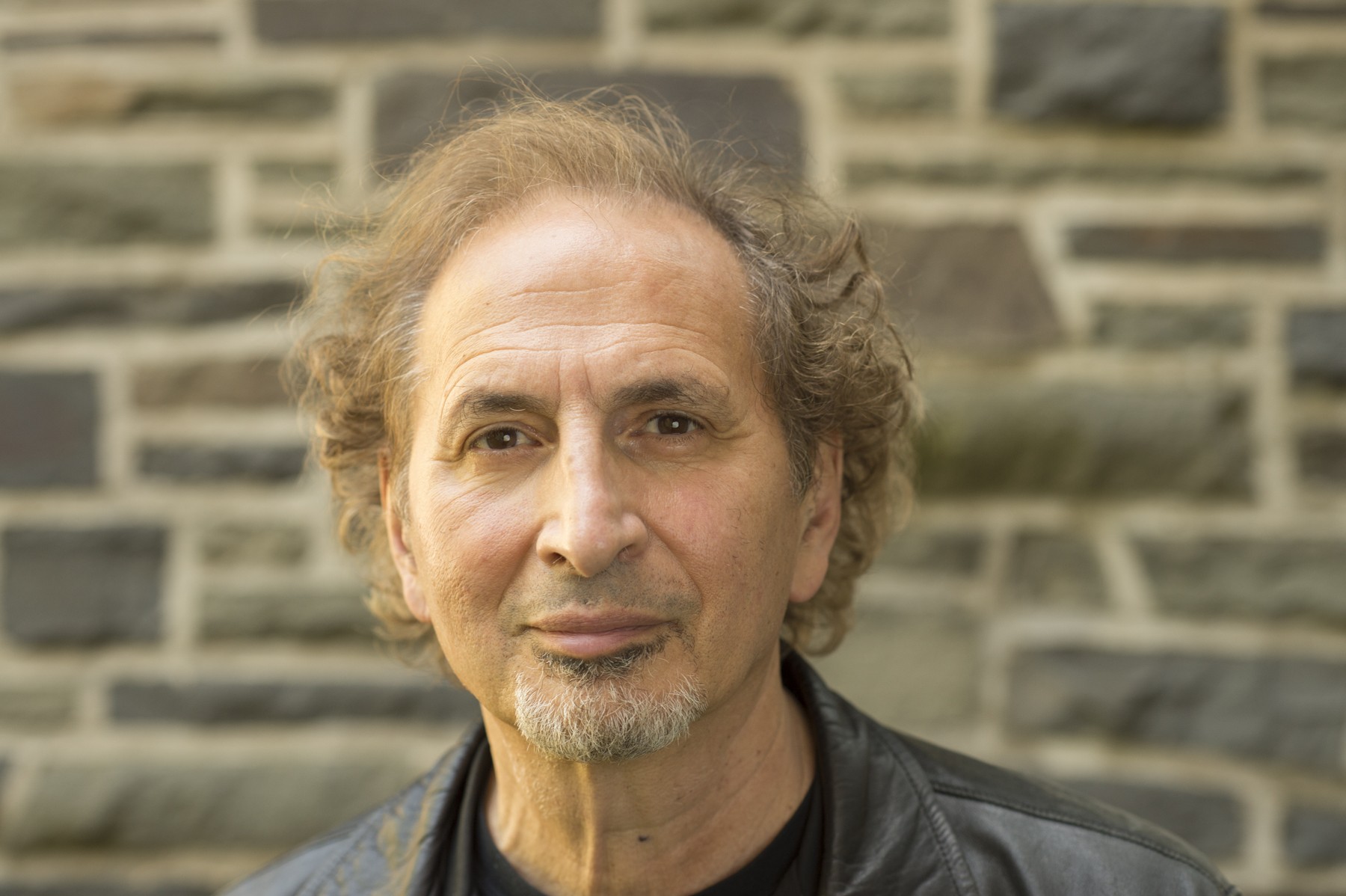
Peter Balakian

Pulitzer Prize winning poet Peter Balakian will discuss how he has worked through filaments of Armenian history to create an inventive body of literature. He will explore how his work has moved across generations in his writing of both poetry and a memoir about the Armenian Genocide. How can a past historical event be transformed by the linguistic frequencies of literary imagination in the American present? Balakian will discuss how various family figures and ancestors have provided a grounding for his work; his great-great uncle Krikoris Balakian (Bishop in the Armenian Church), was one of the 250 cultural leaders arrested on April 25, 1915 at the onset of the Genocide, and his grandmother Nafina Aroosian who was a death march survivor along with her two young daughters, enduring a harrowing death march into the Syrian desert. 

Read more about the speaker

Pulitzer Prize-winner Peter Balakian is the author of eight books of poems, four books of prose, and two translations. His poems have been critically acclaimed in the US and abroad for over four decades and his memoir was a best book of the year for the New York Times, the LA Times, and Publisher’s Weekly. Working from a form of poetics he calls “writing horizontal,” Balakian’s poetry engages a wide range of realities including genocide, war, terrorism, climate change, AIDS epidemic, historical trauma and memory as well as the personal domains of love, death, art, and culture. His is a sensuous language: personal and cosmopolitan, elliptical and cadence-jolted, sharp and textured, such that the language itself becomes its own force of discovery and meaning. 

Balakian’s work has appeared widely in American magazines and journals such as The Nation, The New Republic, Antaeus, Partisan Review, Poetry, and The Kenyon Review and his essays on poetry, culture, art, and social thought have appeared in many publications including the New York Times Magazine, The Guardian, Slate, LA Times, Art in America, American Poetry Review, The Chronicle of Higher Education, and Poetry. The Burning Tigris: The Armenian Genocide and America’s Response received the 2005 Raphael Lemkin Prize and was a New York Times and National Bestseller as well as a New York Times Notable Book.  As well, his translation with Aris Sevag of Grigoris Balakian’s Armenian Golgotha: A Memoir of the Armenian Genocide was a Washington Post book of the year.

In 2016, the Republic of Armenia awarded Balakian with the 2016 Presidential Medal and, in 2007 the Movses Khorenatsi Medal. Other prizes and awards and civic citations include a Guggenheim Fellowship; National Endowment for the Arts Fellowship; Virginia Quarterly Review; PEN/Martha Albrand Prize for Memoir; the Raphael Lemkin Prize for the best book in English on the subject of genocide and human rights’ and the Spendlove Prize for Social Justice, Tolerance, and Diplomacy (recipients include President Carter).

Peter Balakian was born in Teaneck, New Jersey where he attended Tenafly public schools and graduated from Englewood School for Boys (now Dwight-Englewood School) before earning his B.A. from Bucknell University, an M.A. from New York University, and a Ph.D. from Brown University in American Civilization. He has taught at Colgate University since 1980 where he is currently Donald M. and Constance H. Rebar Professor of the Humanities in the department of English, and Director of Creative Writing.

Dr. Balakian’s presentation is supported by the Mgrublian Center’s Annual Lecture on Armenian Studies.
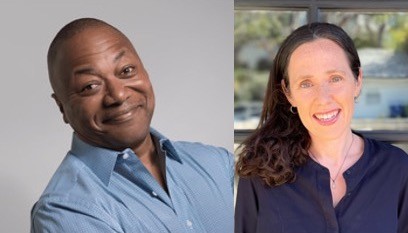
Read less
Tue, April 16, 2024
Lunch Program
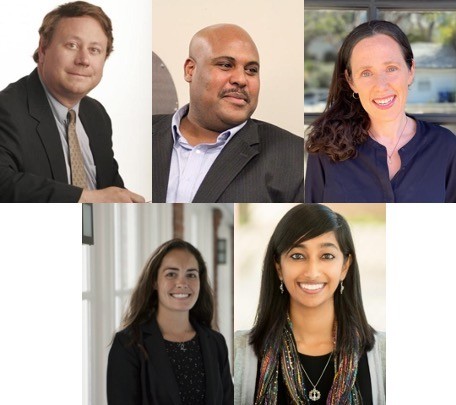
Andrew Busch, Michael Fortner, Lily Geismer, Emily Pears, and Sharda Umanath

Please join us for lunch at the Athenaeum Part Two of the presentations from recipients of funds from the Presidential Initiative on Anti-Racism and the Black Experience. These faculty members will present their projects in anti-racist pedagogy, professional development, and community building across the disciplines. Audience members will be invited to reflect and share their thoughts in table conversations.

Read more about the speaker

Andrew Busch is the Crown Professor of Government and George R. Roberts Fellow

Michael Fortner is the Pamela B. Gann Associate Professor of Government and George R. Roberts Fellow

Lily Geismer is a Professor of History

Emily Pears is an Associate Professor of Government

Sharda Umanath is an Associate Professor of Psychological Sciences and Director of the Umanath Memory and Aging Lab (UMA Lab).

This panel is co-sponsored by the Presidential Initiative on Anti-Racism and the Black Experience in America.

Read less

Marian Miner Cook Athenaeum

Claremont McKenna College
385 E. Eighth Street
Claremont, CA 91711

Contact

Phone: (909) 621-8244 
Fax: (909) 621-8579 
Email: