Marian Miner Cook
Athenaeum

A distinctive
feature of social and
cultural life at CMC


Current Semester Schedule

Athenaeum events are posted here as detailed information becomes available.

Wed, September 21, 2022
Dinner Program
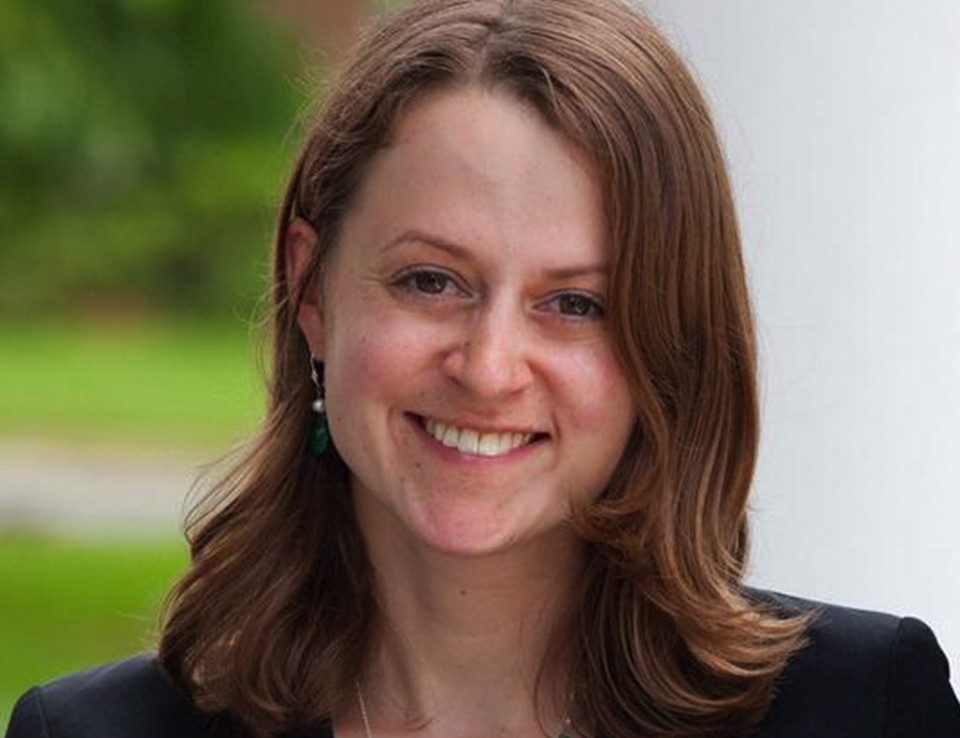
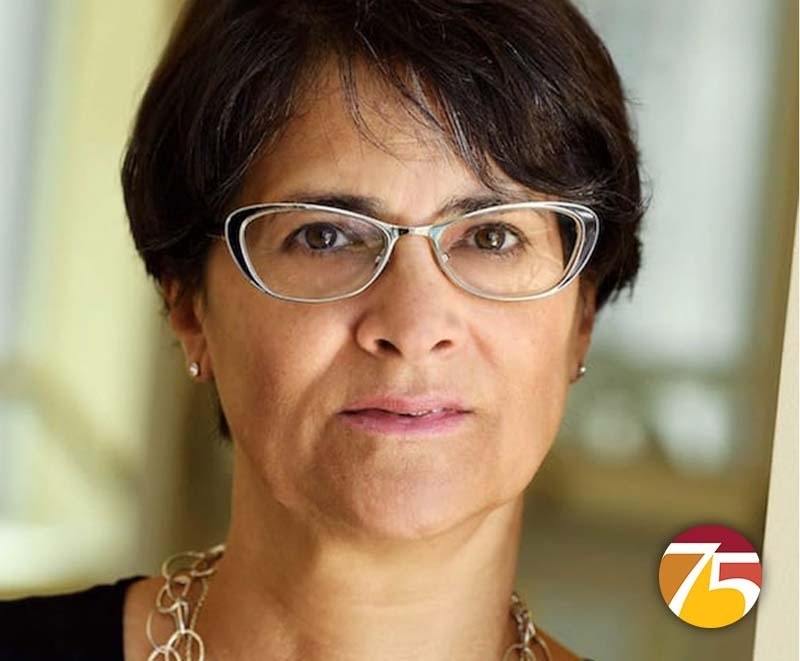
Mary Ziegler

The reversal of Roe v. Wade is about much more than reproductive rightsso argues Mary Ziegler, a professor of law at U.C. Davis and an expert on the law, history, and politics of reproduction, health care, and conservatism in the United States from 1945 to the present. Understanding what happened to Roe v. Wade shines a light on broader issues of partisanship, the transformation of Supreme Court nominations, and the erosion of democratic norms in the United States.

Professor Ziegler will deliver the Salvatori Center's 2022-23 Lofgren Lecture on American Constitutionalism. 

Read more about the speaker

U.C. Davis Law faculty member Professor Mary Ziegler, one of the world’s leading historians of the U.S. abortion debate, has weighed in for many national and international media outlets since a leaked Supreme Court draft opinion reversing Roe v. Wade came to light in early May 2022.

Ziegler is the author of four books on social movement struggles around reproduction, autonomy, and the law, including Abortion and the Law in America: A Legal History, Roe v. Wade to the Present (Cambridge University Press, 2020), Beyond Abortion: Roe v. Wade and the Fight for Privacy (Harvard University Press, 2018), the award-winning After Roe: The Lost History of the Abortion Debate (Harvard University Press, 2015), which won the Harvard University Press Thomas J. Wilson Prize for best first manuscript in any discipline, and Reproduction and the Constitution (Routledge, 2022). Her new book, Dollars for Life: The Anti-Abortion Movement and the Fall of the Republican Establishment, is appearing with Yale University Press in 2022.  

Ziegler is currently working on a history of the nation’s fixation with Roe v. Wade for Yale University Press and editing a comparative volume on the laws of abortion around the world for Elgar Press. 

Ziegler is a graduate of Harvard College (2004) and Harvard Law School (2007). Before coming to U.C. Davis, she was a professor at Florida State University College of Law, where she won several teaching awards. She also was the Daniel P.S. Paul Visiting Professor of Constitutional Law at Harvard Law School.

Professor Ziegler will deliver the Salvatori Center's 2022-23 Lofgren Lecture on American Constitutionalism. 

Read less
Tue, September 20, 2022
Dinner Program
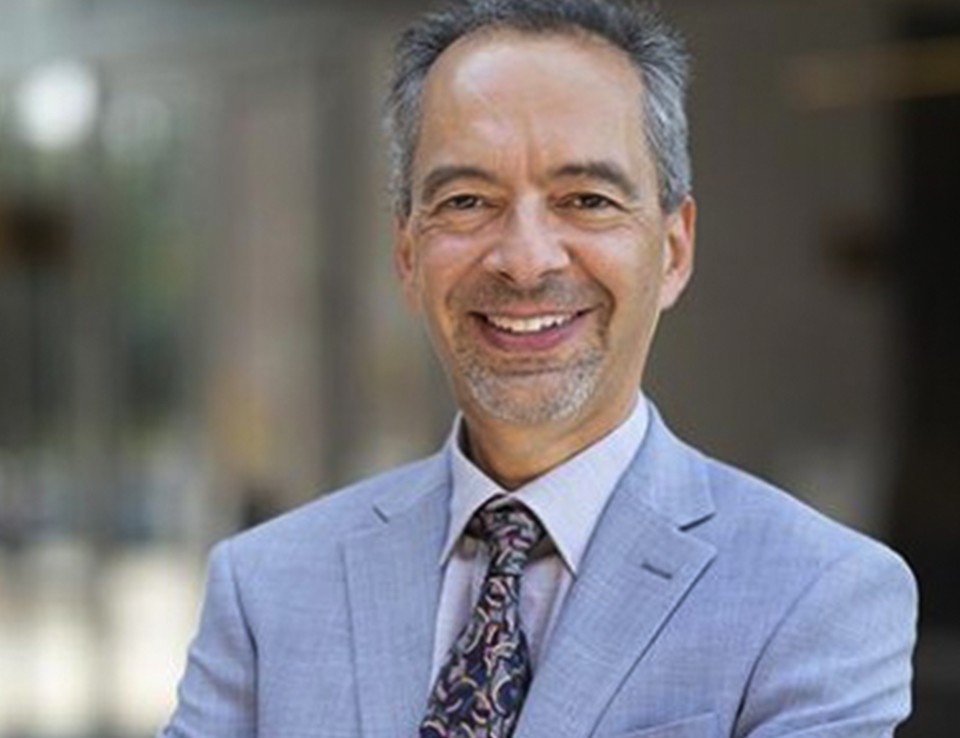
Ran Libeskind-Hadas

Charles Darwin wrote in The Origin of Species that he could imagine how flowers and bees might evolve in tandem to adapt to one another. In this talk, Ran Libeskind-Hadas, Founding Chair of the Integrated Sciences Department at CMC, will describe how computational techniques have been used to unravel the mysteries of the coevolution of pairs of species with applications ranging from combatting crop disease to understanding the evolutionary histories of viruses like the one responsible for the COVID-19 pandemic.

Read more about the speaker

Ran “RON” Libeskind-Hadas is the Founding Chair of the Department of Integrated Sciences. Prior to joining CMC in July 2021, he was on the faculty at Harvey Mudd College for 28 years where he served as the chair of the department of computer science and associate dean of faculty. Libeskind-Hadas works, teaches, and writes in the field of computational biology and has developed a number of algorithms and software tools that are widely-used by other researchers in the life sciences. 

When he’s not teaching and doing research, he enjoys cooking and walking with his wife, Laura, mountain biking with his son, Noah, and talking politics with his son, Ben.


View Video: YouTube with Ran Libeskind-Hadas

Read less
Mon, September 19, 2022
Dinner Program
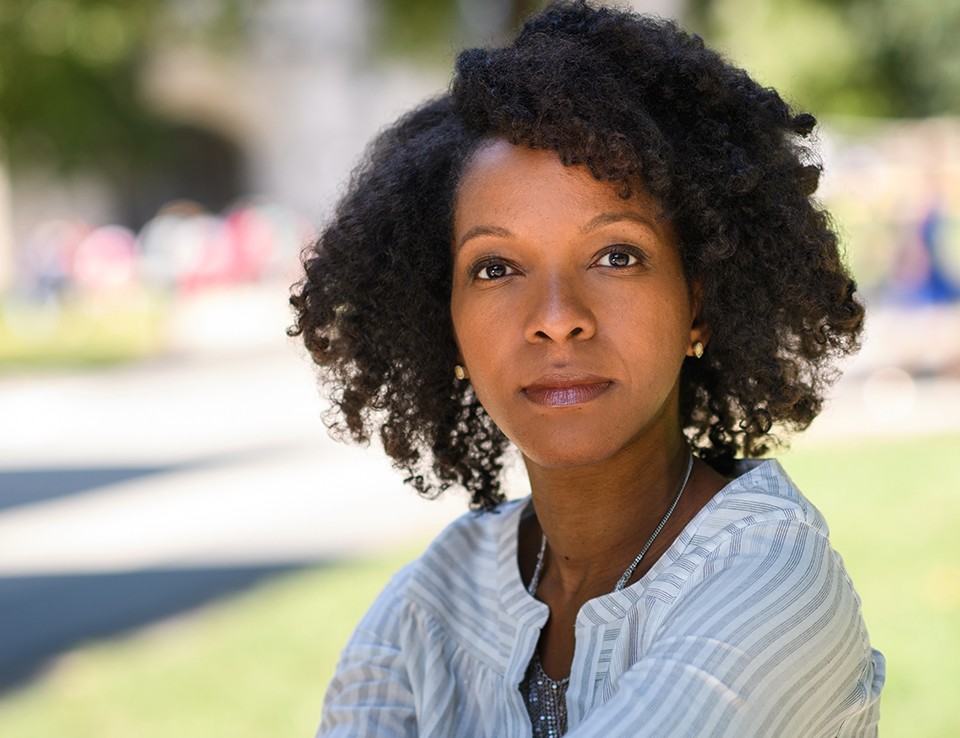
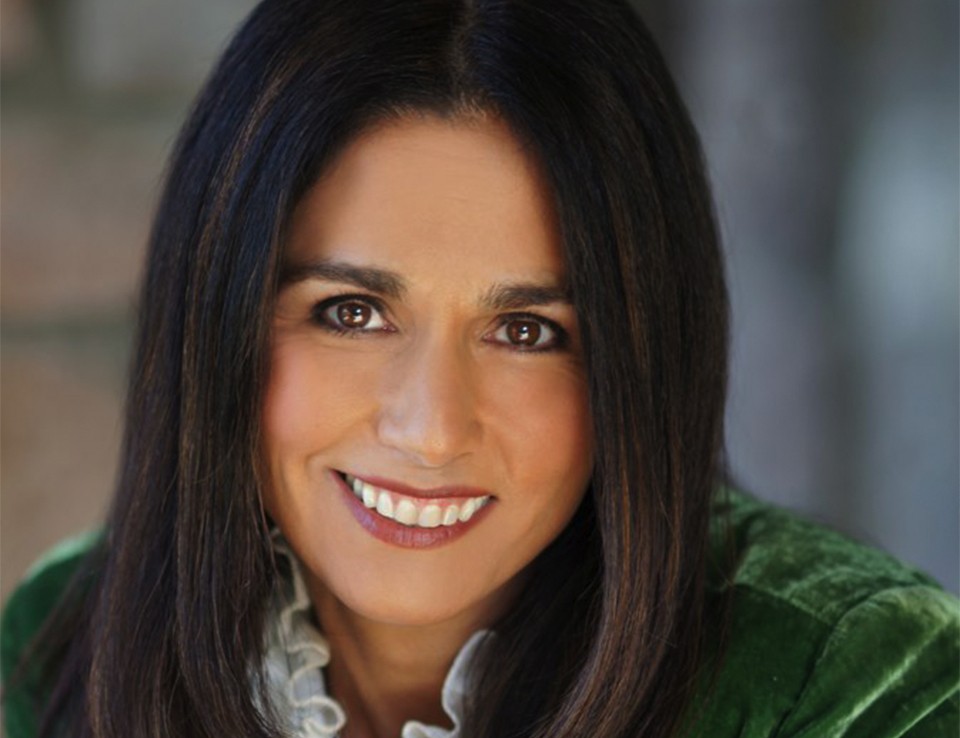
Imani Perry

We all think we know the South. Even those who have never lived there can rattle off a list of signifiers: the Civil War, Gone with the Wind, the Ku Klux Klan, plantations, football, Jim Crow, slavery. But the idiosyncrasies, dispositions, and habits of the region are stranger and more complex than much of the country tends to acknowledge. In South to America, Imani Perry, professor of African American Studies at Princeton University, shows that the meaning of American is inextricably linked with the South, and that our understanding of its history and culture is the key to understanding the nation as a whole.

Professor Perry will deliver the Gould Center for Humanistic Studies' 2022-23 Golo Mann Lecture; her Athenaeum presentation is also supported by CMC's Presidential Initiative on Anti-Racism and the Black Experience in America.

Photo credit: Sameer Khan

Read more about the speaker

Imani Perry is the Hughes-Rogers Professor of African American Studies at Princeton University and a faculty associate with the Programs in Law and Public Affairs, Gender and Sexuality Studies, and Jazz Studies.

She is the author of six books, including Looking for Lorraine: The Radiant and Radical Life of Lorraine Hansberry and Breathe: A Letter to My Sons (Beacon Press, 2019) which was a finalist for the 2020 Chautauqua Prize and a finalist for the NAACP Image Award for Excellence in Nonfiction.

Perry is a scholar of law, literary and cultural studies, and an author of creative nonfiction. Her writing and scholarship primarily focuses on the history of Black thought, art, and imagination crafted in response to, and resistance against, the social, political, and legal realities of domination in the West. She seeks to understand the processes of retrenchment after moments of social progress, and how freedom dreams are nevertheless sustained.

She earned her Ph.D. in American Studies from Harvard University, a J.D. from Harvard Law School, an LLM from Georgetown University Law Center and a B.A. from Yale College in Literature and American Studies.

Professor Perry will deliver the Gould Center for Humanistic Studies' 2022-23 Golo Mann Lecture; her Athenaeum presentation is also supported by CMC's Presidential Initiative on Anti-Racism and the Black Experience in America.

Photo credit: Sameer Khan

Read less
Thu, September 15, 2022
Dinner Program
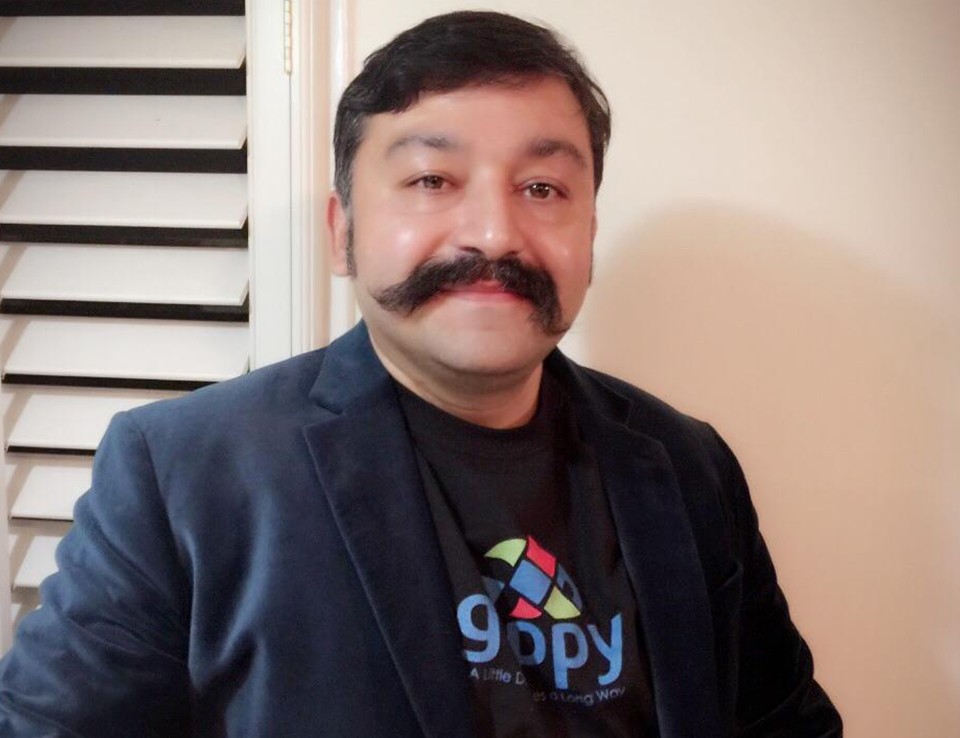
Sanjib Kalita

Fintech has disrupted industries globally, driving trillion-dollar value creation and destruction. Having been on the frontiers of fintech growth over the last two decades working on a PayPal competitor and Google Wallet, Sanjib Kalita, the current CEO of Guppy and Editor-in-Chief of the leading fintech conference Money20/20, takes us behind-the-scenes to explore the fables, fallacies, and futures of fintech.

Mr. Kalita's Athenaeum presentation is co-sponsored by the Financial Economics Institute at CMC.

Read more about the speaker

Sanjib Kalita is CEO of Guppy—the Web3 credit bureau—and editor in chief of Money20/20—the world’s leading fintech event series. A leader in fintech for over two decades, Kalita has also worked at large organizations like Google, Intel, and Citi as well several startups with successful exits.

In his early career, Kalita was at Citi where he launched several products and led the turnaround of a multibillion-dollar credit card business. He worked at Intel, where he was one of the founding engineers of Intel’s graphics accelerator business and helped drive the fastest new business ramp at Intel at the time. He designed a programming language that is still used at Intel, over 25 years later. 

Kalita is an independent board member of Gigworks, a publicly listed technology development company. He also serves as an advisor to the following diverse entities: TripleBlind, a privacy-preserving data sharing technology; American Pacific Bancorp; MPOWER Financing, an alternative lender providing student loans for international students; Impact Analytics, a data science consulting company; and SXSW Accelerator.

Kalita has an M.B.A. from the Kellogg School of Management, as well as bachelor’s and master’s degrees in electrical engineering from Cornell University.

Mr. Kalita's Athenaeum presentation is co-sponsored by the Financial Economics Institute at CMC.


Food for Thought: Podcast with Sanjib Kalita

Read less
Wed, September 14, 2022
Dinner Program
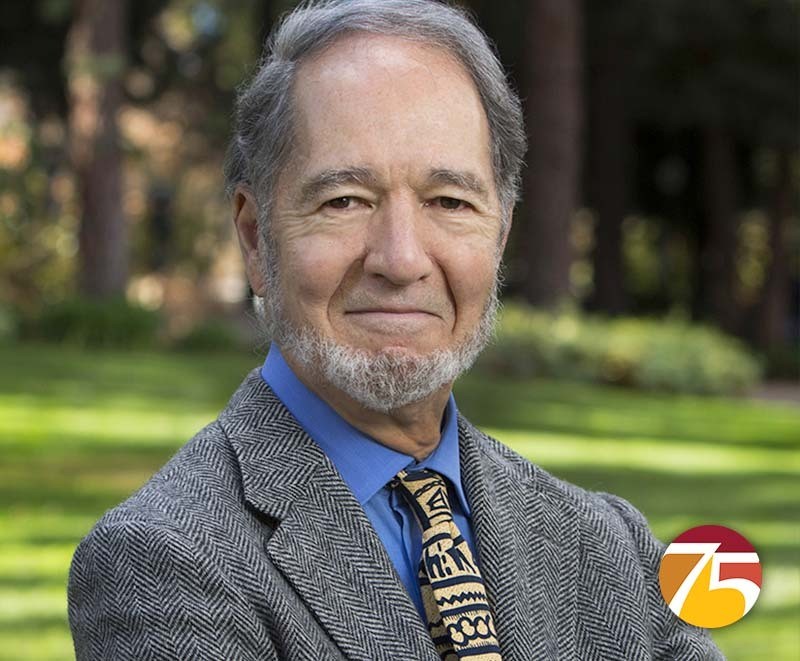
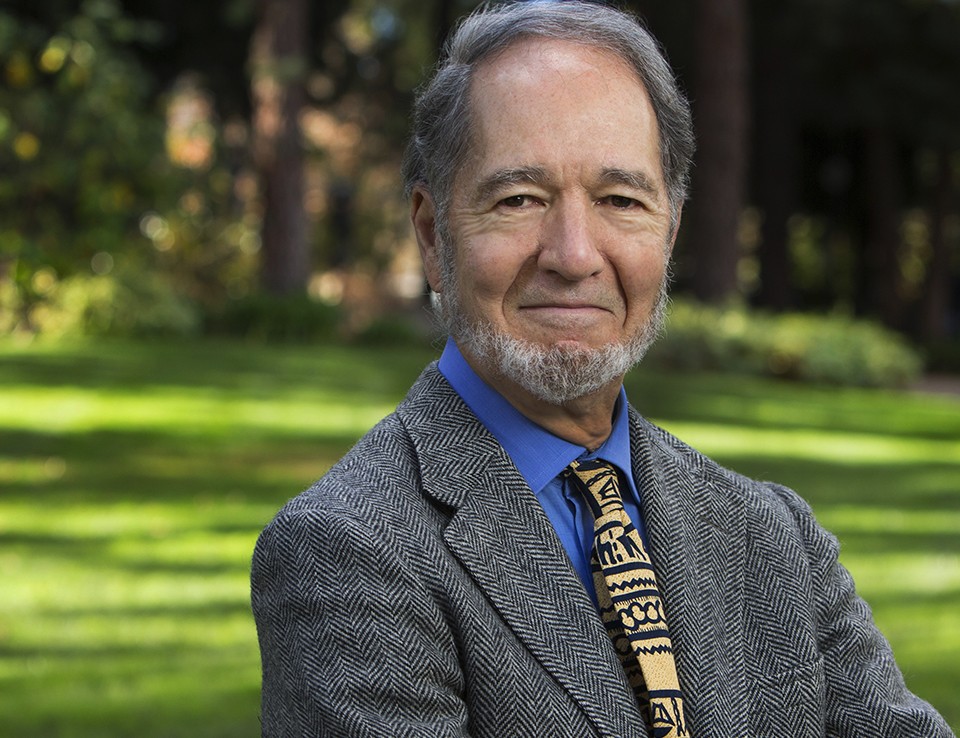
Jared Diamond

Based on his 2019 book Upheaval, Jared Diamond reveals how successful nations recover from crisis through selective change. In an exhaustive comparative study, he shows how seven countries have survived upheavals in the recent past—from U.S. Commodore Perry’s arrival in Japan to the Soviet invasion of Finland to Pinochet’s regime in Chile—through a process of painful self-appraisal and adaptation, by  identifying patterns in the way that these distinct nations recovered from calamity. Looking ahead to the future, he investigates whether the United States, and the world, are squandering their natural advantages, on a path towards political conflict and decline. Or can we still learn from the lessons of the past?

As one of CMC’s 75th Anniversary Distinguished Speakers, Professor Diamond will highlight issues in "Civilization and Commerce” one of the three academic collaboration themes of our special 75th Anniversary celebration. (This event was previously scheduled for the spring semester of 2022.)

Photo credit: Reed Hutchinson

Read more about the speaker

Jared Diamond is a Pulitzer-prize-winning author of five best-selling books, translated into 38 languages, about human societies and human evolution: Guns, Germs, and Steel, Collapse, Why Is Sex Fun?, The Third Chimpanzee, The World until Yesterday, and Upheaval.

As a professor of geography at the University of California at Los Angeles, he is known for his breadth of interests, which includes conducting research and teaching in three other fields: the biology of New Guinea birds, digestive physiology, and conservation biology.

He is a director of World Wildlife Fund/U.S. and of Conservation International. As a biological explorer, his most widely publicized finding was his rediscovery, at the top of New Guinea’s remote Foja Mountains, of the long-lost Golden-fronted Bowerbird, previously known only from four specimens found in a Paris feather shop in 1895.

His prizes and honors include the U.S. National Medal of Science (America's highest civilian award in science), the Pulitzer Prize for Non-fiction, the Tyler Prize for Environmental Science, the MacArthur Genius Award, the Dickson Prize in Science, and election to the U.S. National Academy of Sciences.

As one of CMC’s 75th Anniversary Distinguished Speakers, Professor Diamond will highlight issues in "Civilization and Commerce” one of the three academic collaboration themes of our special 75th Anniversary celebration. (This event was previously scheduled for the spring semester of 2022.)

Professor Diamond's Athenaeum Presentation is co-sponsored by the Salvatori Center at CMC.


Food for Thought: Podcast with Jared Diamond
 

Read less
Tue, September 13, 2022
Dinner Program
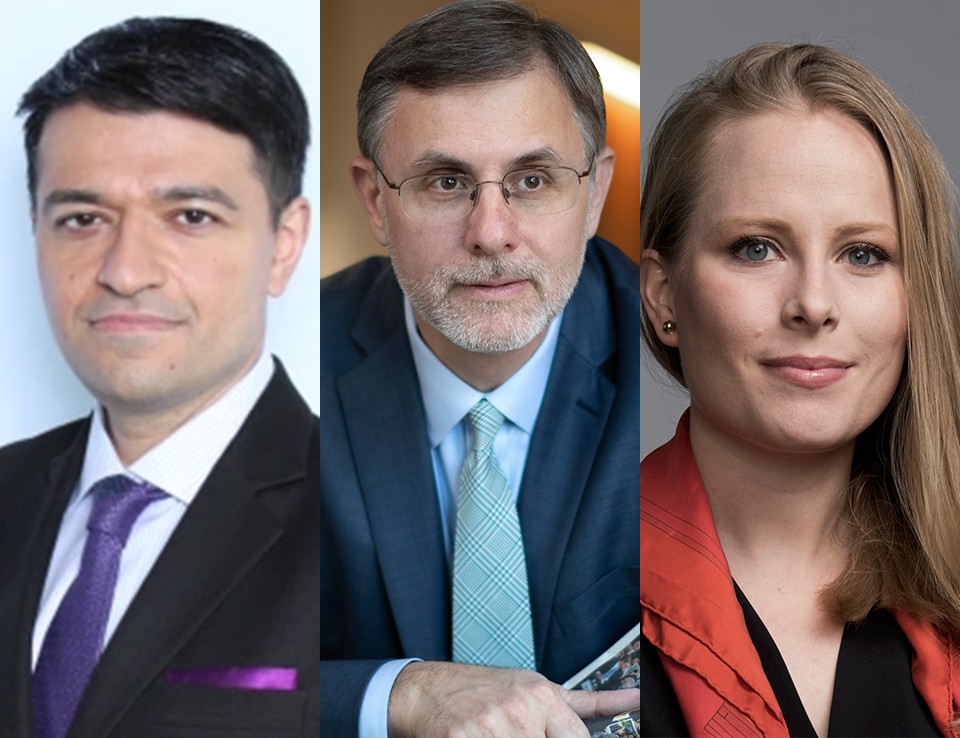
Sahil Kapur '09, Michael Shear '90, and Elise Viebeck '10

On January 6th, 2021, insurrectionists breached the U.S. Capitol building as citizens across the country followed the unfolding events on television, social media, and other news sources. Information about what happened in the Capitol on that day was—and still is—challenging to piece together. A panel of three journalists, all CMC alums, will discuss the events of January 6th from a journalist’s point of view. Elise Viebeck ’10, formerly of the Washington Post, will moderate a discussion with New York Times' Michael Shear ‘90 and NBC Universal’s Sahil Kapur ‘09, on what happened on that day, how different media outlets covered the events in real-time, and the challenges and opportunities journalists face in analyzing political events with constitutional implications. 

Read more about the speaker

Sahil Kapur ’09
Sahil Kapur ’09 is a senior national political reporter for NBC News covering Capitol Hill, elections, and Washington, DC. Having reported on American politics and public policy for more than a decade, he appears regularly on MSNBC and NBC News Now.

He has broken stories on a range of topics from the Obama-era health care legislation and the Trump tax cuts to the major Biden-era economic bills. He uncovered a rare Supreme Court error that led to a correction, covered the January 6 attack and its aftermath, delved deep into the politics and internal machinations of the Senate filibuster, and reported on strategy and stakes of countless campaigns for Congress and the presidency.

He previously worked for Bloomberg News, TPM Media, and Inside Washington Publishers, with beats ranging from the 2016 and 2020 presidential elections, the White House, Congress, and Supreme Court. He has appeared on CNN, Fox News, CBS, ABC, PBS and NPR to discuss his reporting.

Kapur has a B.A. in economics and government from Claremont McKenna College.

Michael Shear ’90
Michael Shear ’90 is a New York Times’ White House correspondent and two-time Pulitzer Prize winning reporter in the Washington bureau, where he covers President Biden, with a focus on domestic policy, the regulatory state, and life at 1600 Pennsylvania Avenue. A veteran political correspondent, he has covered the White House for 13 years, including the Trump and Obama presidencies. As with the Presidents Obama and Trump, Shear travels the world with President Biden.

Shear joined The Times in 2010 and has written extensively about national politics and policymaking in Washington. During 2020, Shear worked with investigative teams at New York Times to document the Trump administration's response to the Covid crisis. He was a leading member of the team that won the Pulitzer Public Service prize for the paper's coverage of the pandemic and its health and economic consequences.

Before coming to The Times, Shear spent 18 years at The Washington Post, writing about local communities, school districts, state politics, the 2008 presidential campaign, and the White House. A member of the Pulitzer Prize-winning team that covered the Virginia Tech shootings in 2007, Shear is a 1990 graduate of Claremont McKenna College and has a master’s in public policy from the Harvard Kennedy School of Government.

Elise Viebeck ‘10
Elise Viebeck '10 is a former Washington Post investigative reporter whose work chronicled the movements and controversies that shaped American democracy during the Trump presidency. Covering the nexus of the administration, Capitol Hill, and the electoral system, Viebeck helped lead the Post’s efforts as the #MeToo movement hit the political world, including vetting and reporting on dozens of allegations of sexual misconduct against government leaders. She has written extensively about Donald Trump’s legal battles and first impeachment trial, as well as the legacy of Joe Biden’s Senate record. In her final, groundbreaking work for the Post, she directed a team monitoring hundreds of changes to voting rules during the Covid-19 pandemic and documented the unprecedented effort by Trump and his allies to restrict ballot access and overturn his election loss.

Viebeck majored in government at CMC and previously covered Congress and health care policy for The Hill newspaper. She now writes and consults independently from San Francisco.

This panel discussion is co-sponsored by the Salvatori Center at CMC.


View Video: YouTube with Sahil Kapur '09, Michael 'Shear '90, Elise Viebeck '10

Food for Thought: Podcast with Michael Shear '90
 

Read less
Mon, September 12, 2022
Dinner Program
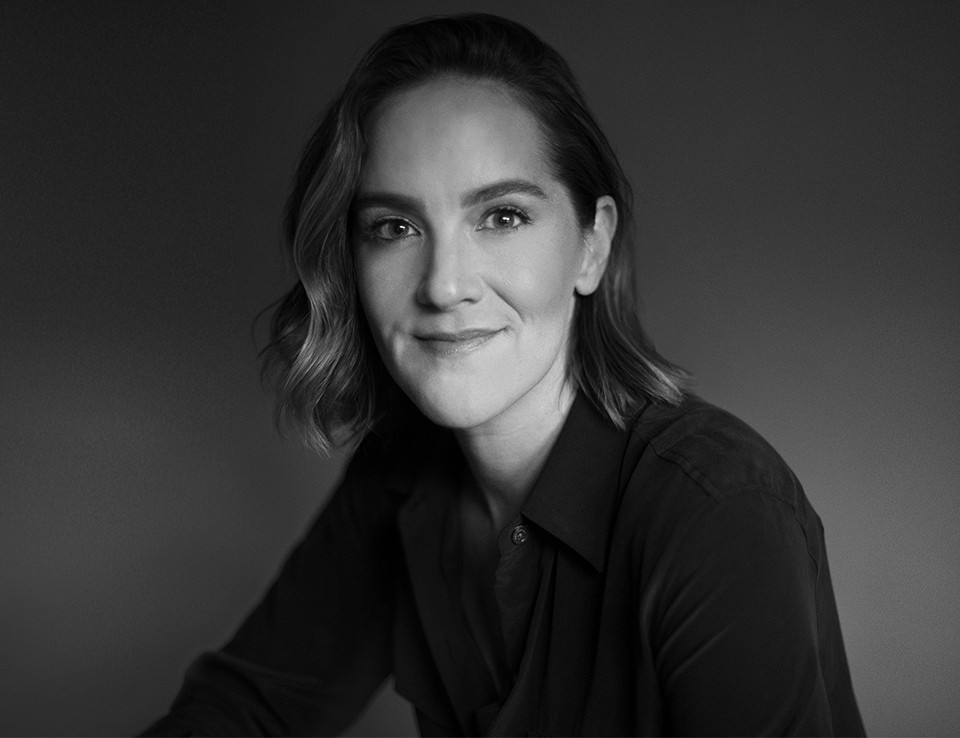
Amanda Little

In this fascinating look at the race to secure the global food supply, Amanda Little, environmental journalist and professor of journalism and science writing at Vanderbilt University, investigates how we will feed humanity sustainably and equitably in the coming decades. Weaving together stories from the world’s most creative and controversial innovators on the front lines of food science, agriculture, and climate change, she explores new and old approaches to food production while charting the growth of a movement that could redefine sustainable food on a grand scale.

Read more about the speaker

Amanda Little is a professor of journalism and science writing at Vanderbilt University and a columnist for Bloomberg, where she writes about the environment, agriculture and innovation. Professing a particular fondness for far-flung and hard-to-stomach reporting that takes her to ultradeep oil rigs, down manholes, into sewage plants, and inside monsoon clouds, Little spent three years traveling through a dozen countries and as many U.S. states in search of answers to the what we will eat in a bigger and hotter world.

Her recent TED Talk, based on the book, has more than one million views. She also wrote the book Power Trip: The Story of America's Love Affair With Energy. Little has published her reporting and commentary in the New York Times, Washington Post, Vanity Fair, Rolling Stone, Wired, New York Magazine, NewYorker.com, and elsewhere.

A former columnist for Outside magazine and Grist.org, she is a recipient of the Nautilus Book Award, a Rachel Carson Environment Book Award from the Society for Environmental Journalists, and the Jane Bagley Lehman Award for excellence in environmental journalism. 

A graduate of Brown University, Little is the founder and director of Kidizenship, a non-partisan youth civics platform for teens and tweens.


Food for Thought: Podcast with Amanda Little

Read less
Thu, April 21, 2022
Lunch Program
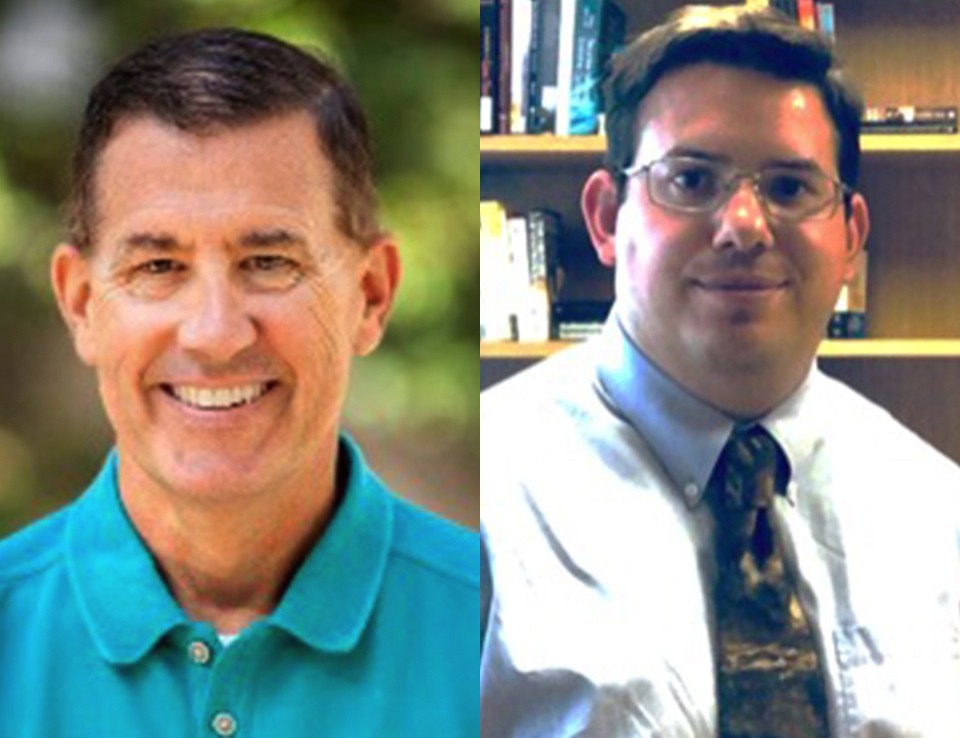
R. Michael Alvarez and J. Andrew Sinclair

In the last two decades survey methodology has changed a great deal. While new tools of social science research have become available, survey researchers also face new challenges. Headed into the 2022 and 2024 election cycles: What can go wrong when we try to learn about political behavior from surveys? And what are the big questions that survey research can help us address? Discussing power and challenges of contemporary political polling will be R. Michael Alvarez, professor of political and computational social science at CalTech, in conversation with J. Andrew Sinclair, assistant professor of government at CMC. 
 

Read more about the speaker

Michael Alvarez's research focuses on public opinion and voting behavior, election technology and administration, electoral politics, political campaigns, and statistical and computational modeling. He has long been interested in empirically testing formal models of elections and voting behavior.

Alvarez is the co-director of the Caltech/MIT Voting Technology Project. He is a fellow of the Society for Political Methodology and the American Academy of Arts and Sciences. He has been recognized for his mentoring work, both at Caltech by the Graduate Student Council (twice) and by the Society for Political Methodology. He also received the Emerging Scholar Award in the Elections, Public Opinion, and Voting Behavior Section of the American Political Science Association in 2001.

Alvarez has a BA from Carleton College and a MA and PhD from Duke University.

Andrew Sinclair's research focuses on American politics, with a particular emphasis on political reform.  He is a coauthor, along with Michael Alvarez, of Nonpartisan Primary Election Reform: Mitigating Mischief (Cambridge University Press, 2015). Recent work has continued to examine electoral reforms and political behavior, including a paper co-authored with Betsy

Sinclair: "Primaries and Populism: Voter Efficacy, Champions, and Election Rules" (Journal of Political Institutions and Political Economy, 2(3) 2021:  365-388).  In addition, he has continued to examine the democratic aspects of reform in public administration, co-authoring with Maya Love and María Gutiérrez-Vera "Federalism, Defunding the Police, and Democratic Values: A Functional Accountability Framework for Analyzing Police Reform Proposals" (Publius: The Journal of Federalism, 51(3) 2021: 484-511). 

A graduate of Claremont McKenna College's class of 2008, before returning CMC as a member of the faculty, Sinclair earned his Ph.D. at Caltech and was clinical assistant professor at NYU's Wagner Graduate School of Public Service.  

Read less
Wed, April 20, 2022
Dinner Program
Jared Diamond

Based on his  2019 book Upheaval, Jared Diamond reveals how successful nations recover from crisis through selective change. In an exhaustive comparative study, he shows how seven countries have survived upheavals in the recent past—from US Commodore Perry’s arrival in Japan to the Soviet invasion of Finland to Pinochet’s regime in Chile—through a process of painful self-appraisal and adaptation, identifying patterns in the way that these distinct nations recovered from calamity. Looking ahead to the future, he investigates whether the United States, and the world, are squandering their natural advantages, on a path towards political conflict and decline. Or can we still learn from the lessons of the past? 

As one of CMC’s 75th Anniversary Distinguished Speakers, Professor Diamond will highlight issues in "Civilization and Commerce” one of the three academic collaboration themes of our special 75th Anniversary celebration.

Photo credit: Reed Hutchinson

Read more about the speaker

Jared Diamond is a Pulitzer-prize-winning author of five best-selling books, translated into 38 languages, about human societies and human evolution: Guns, Germs, and Steel, Collapse, Why Is Sex Fun?, The Third Chimpanzee, The World until Yesterday, and Upheaval. As a professor of geography at the University of California at Los Angeles, he is known for his breadth of interests, which includes conducting research and teaching in three other fields: the biology of New Guinea birds, digestive physiology, and conservation biology. His prizes and honors include the U.S. National Medal of Science (America's highest civilian award in science), the Pulitzer Prize for Non-fiction, the Tyler Prize for Environmental Science, the MacArthur Genius Award, the Dickson Prize in Science, and election to the U.S. National Academy of Sciences. He is a director of World Wildlife Fund/U.S. and of Conservation International. As a biological explorer, his most widely publicized finding was his rediscovery, at the top of New Guinea’s remote Foja Mountains, of the long-lost Golden-fronted Bowerbird, previously known only from four specimens found in a Paris feather shop in 1895.

Read less
Tue, April 19, 2022
Dinner Program
Ani Hovannisian

From sparse operating rooms in Siberia to backstage green rooms at the Grammys, Armenian filmmaker Ani Hovannisian has traveled the world directing and producing award-winning non-fiction stories for network and cable television programs and international audiences and reporting news on Armenian television. It was a journey to the native lands of her genocide-survivor grandparents that led to her most recent and critical work, The Hidden Map, a film which has earned more than a dozen selections and awards at international film festivals, and was considered for three 2021 Primetime Emmys, including Exceptional Merit in Documentary Filmmaking. Ms. Hovannisian’s presentation is the annual Mgrublian Lecture on Armenian Studies.

Read more about the speaker

Ani Hovannisian has been a reporter and anchor on Armenian television for over a decade and is actively involved with the Armenian community in California and worldwide. She is a member of the Directors Guild of America, Television Academy, and International Documentary Association. 

Over the course of four trips and seven years, Hovannisian completed this documentary born of her daring journeys through the forbidden lands of her ancestral past. While documenting evidence of thousands of years of Armenian creation and ultimate decimation in modern-day Turkey, she met a Scottish explorer who had discovered these mysterious lands 30 years earlier. Ani returned with a tiny team, and together the duo dug beneath the surface, uncovering buried secrets, sacred relics, silenced voices, and the hidden map.

Directed, produced, written, and narrated by Hovannisian, The Hidden Map debuted nationwide on NBCLX the weekend of April 24, 2021 to coincide with Armenian Genocide Remembrance Day. Several encore presentations followed, including multiple popular PBS SoCal broadcasts. 

Ms. Hovannisian's Athenaeum presentation is the annual Mgrublian Lecture on Armenian Studies and will highlight the history and the journey of her family and the Armenian people – those who survived the genocide and those who did not—and is co-sponsored by the Mgrublian Center for Human Rights at Claremont McKenna College. 


View Video: YouTube with Ani Hovannisian

Read less
Tue, April 19, 2022
Lunch Program
Ran Libeskind-Hadas

Charles Darwin wrote in The Origin of Species that he could imagine how flowers and bees might evolve in tandem to adapt to one another. In this talk, Ran Libeskind-Hadas, Founding Chair of the Integrated Sciences Department at CMC, will describe how computational techniques have been used to unravel the mysteries of the coevolution of pairs of species with applications ranging from combatting crop disease to understanding the evolutionary histories of viruses like the one responsible for the COVID-19 pandemic.

Read more about the speaker

Ran “RON” Libeskind-Hadas is the Founding Chair of the Department of Integrated Sciences. Prior to joining CMC in July 2021, he was on the faculty at Harvey Mudd College for 28 years where he served as the chair of the department of computer science and associate dean of faculty. Libeskind-Hadas works, teaches, and writes in the field of computational biology and has developed a number of algorithms and software tools that are widely-used by other researchers in the life sciences. 

When he’s not teaching and doing research, he enjoys cooking and walking with his wife, Laura, mountain biking with his son, Noah, and talking politics with his son, Ben.


View Video: YouTube with Ran Libeskind-Hadas


Read less
Mon, April 18, 2022
Dinner Program
Martha S. Jones

A legal and cultural historian whose work examines how Black Americans have shaped the story of American democracy, Martha Jones is the Society of Black Alumni Presidential Professor, Professor of History, and a Professor at the SNF Agora Institute at The Johns Hopkins University. Author of Vanguard: How Black Women Broke Barriers, Won the Vote, and Insisted on Equality for All (2020) and Birthright Citizens: A History of Race and Rights in Antebellum America (2018), Jones will explore what historical thinking reveals about the nature of democracy in the United States. At its core is debate. Martin Luther King, Jr. echoed abolitionist Theodore Parker when he adopted the metaphor of the arc, as in "the arc of the moral universe is long, but it bends toward justice.” Barack Obama, borrowing from the U.S. Constitution, anticipated progress for a nation that was on "the path to a more perfect union." What these framings elide is how, across our past as a nearly 250-year-old nation, debate rather than progress has best characterized American democracy. Two central questions—citizenship and voting rights—troubled the United States from its very start. And, while the details have changed over time, these two foundational facets of our democracy continue to generate debate—and change—in our own time. Rather than fall back on adages about our journey as circular or being destined to repeat the past or even backlash, we can appreciate how contests over the character of the body politic have challenged every generation. History strongly suggests that our distinct tradition and indeed our future will include much more of the same.

As one of CMC’s 75th Anniversary Distinguished Speakers, Professor Jones will highlight issues in “Unity and Division,” one of the three academic collaboration themes of our special 75th Anniversary celebration.

Read more about the speaker

Martha S. Jones is the Society of Black Alumni Presidential Professor, Professor of History, and a Professor at the SNF Agora Institute at The Johns Hopkins University. 

Jones is the author of Vanguard: How Black Women Broke Barriers, Won the Vote, and Insisted on Equality for All (2020), selected as one of Time's 100 must-read books for 2020.  Her 2018 book, Birthright Citizens: A History of Race and Rights in Antebellum America (2018), was winner of the Organization of American Historians Liberty Legacy Award (best book in civil rights history), the American Historical Association Littleton-Griswold Prize (best book in American legal history), the American Society for Legal History John Phillip Reid book award (best book in Anglo-American legal history) and the Baltimore City Historical Society Scholars honor for 2020. Jones is also author of All Bound Up Together: The Woman Question in African American Public Culture 1830-1900 (2007) and a coeditor of Toward an Intellectual History of Black Women (University of North Carolina Press (2015), together with many articles and essay. 

A public historian, she also writes for the New York Times, Washington Post, the Atlantic, USA Today, Public Books, Talking Points Memo, Politico, the Chronicle of Higher Education, and Time. She is an exhibition curator for “Reframing the Color Line” and “Proclaiming Emancipation” at the William L. Clements Library, and an expert consultant for museum, film and video productions with the Smithsonian’s National Portrait Gallery, the Charles Wright Museum of African American History, PBS American Experience, the Southern Poverty Law Center, Netflix, and Arte (France.) 

Jones holds a Ph.D. in history from Columbia University and a J.D. from the CUNY School of Law which bestowed upon her the degree of Doctor of Laws honoris causa in 2019. Prior to her academic career, she was a public interest litigator in New York City, recognized for her work as a Charles H. Revson Fellow on the Future of the City of New York at Columbia University. 

Jones is an immediate past co-president of the Berkshire Conference of Women Historians, and today serves on the boards of the Society of American Historians, the National Women's History Museum, the US Capitol Historical Society, the Johns Hopkins University Press, the Journal of African American History and Slavery & Abolition.

View Video: YouTube with Martha S. Jones

Food for Thought: Podcast with Martha S. Jones

Read less
Thu, April 14, 2022
Dinner Program
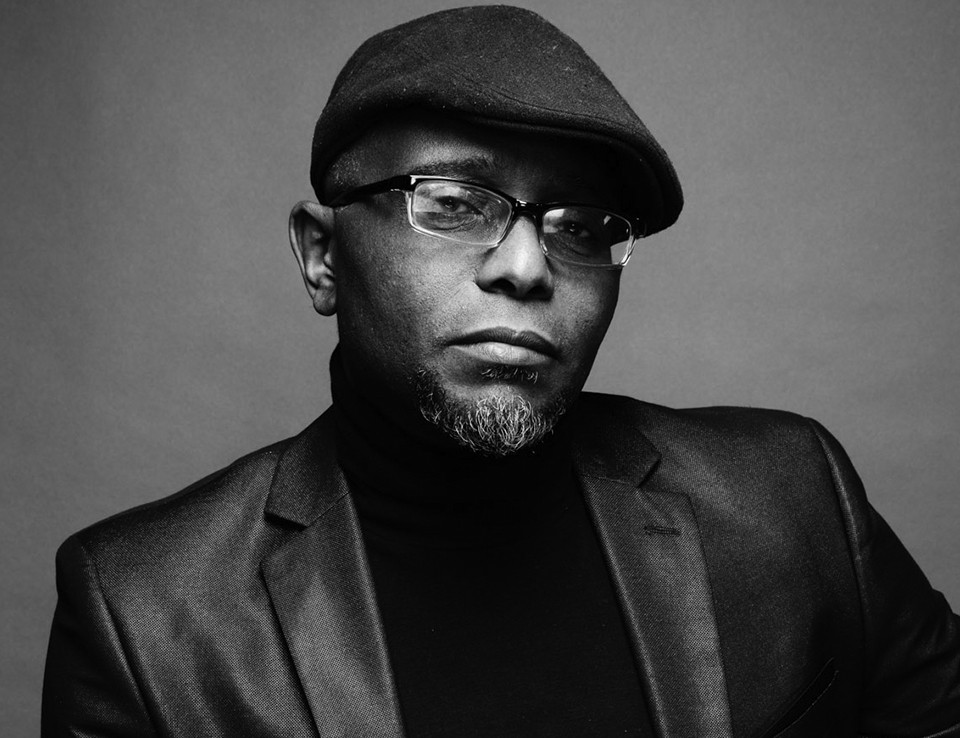
Tyehimba Jess

Tyehimba Jess is the author of two books of poetry: leadbelly and Olio. Olio received the 2017 Pulitzer Prize and an Outstanding Contribution to Publishing Citation from the Black Caucus of the American Library Association, among other awards. A rare poet who bridges slam and academic poetry, Jess will read, reflect, perform from his works.

Mr. Jess's Athenaeum presentation is co-sponsored by the literature department, the Africana Studies department, and the President's Leadership Fund. 

Photo credit: John Midgley

Read more about the speaker

A two-time member of the Chicago Green Mill Slam team, Tyehimba Jess's first collection, leadbelly (2005), an exploration of the blues musician Huddie “Lead Belly” Ledbetter’s life, was chosen for the National Poetry Series and was voted one of the top three poetry books of the year by Black Issues Book Review. A reviewer for Publishers Weekly noted that “the collection’s strength lies in its contradictory forms; from biography to lyric to hard-driving prose poem, boast to song, all are soaked in the rhythm and dialect of Southern blues and the demands of honoring one’s talent." Jess's second book Olio (2016) received the Pulitzer Prize.

A Detroit native, Jess was Chicago’s Poetry Ambassador to Accra, Ghana. His work has been featured in numerous anthologies, including Soulfires: Young Black Men in Love and Violence (1996), Slam: The Competitive Art of Performance Poetry (2000), and Dark Matter 2: Reading the Bones (2004). He is the author of African American Pride: Celebrating Our Achievements, Contributions, and Enduring Legacy (2003).

In addition to the Pulitzer, his honors include a Whiting Writers’ Award, a Chicago Sun-Times Poetry Award, and a Gwendolyn Brooks Open Mic Poetry Award. A former artist-in-residence with Cave Canem, Jess has been awarded fellowships from the National Endowment for the Arts, the Illinois Arts Council, and the Fine Arts Work Center at Provincetown, as well as a Lannan Writing Residency.

A graduate of the University of Chicago (B.A.) and New York University (MFA), Jess has taught at the Juilliard School, the University of Illinois, Urbana-Champaign, and at the College of Staten Island in New York City.

Mr. Jess's Athenaeum presentation is co-sponsored by the literature department, the Africana Studies department, and the President's Leadership Fund. 

(Adapted from the Poetry Foundation)


Food for Thought: Podcast with Tyehimba Jess

Read less
Wed, April 13, 2022
Dinner Program
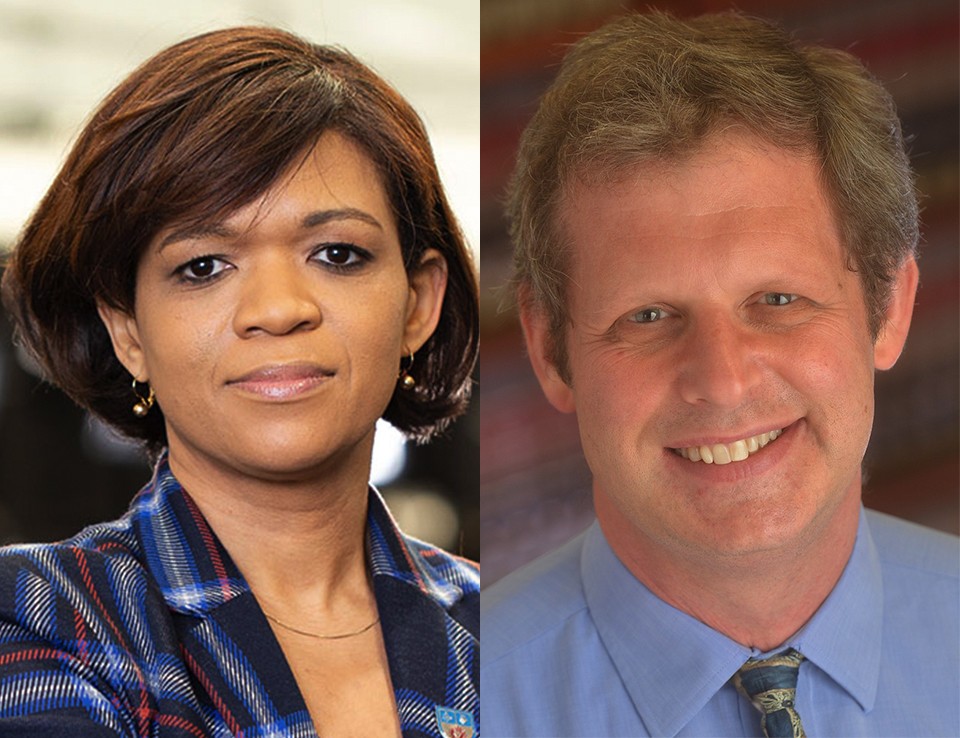
Kimberly West-Faulcon and Eugene Volokh, panelists; Hiram Chodosh, moderator

The U.S. Supreme Court has the final word on the major legal and constitutional controversies of our day. Abortion. Concealed carry. Church and state. Immigration. Healthcare. What will the Supreme Court decide in 2021-22? What will it mean? To what end? For whom? In a conversation moderated by Hiram Chodosh, president of CMC, Eugene Volokh and Kimberly West-Faulcon, professors at UCLA School of Law and Loyola Law School, respectively, will provide perspective, analysis, prediction, and reflection on the outcomes and impacts of the landmark cases in this 2021-22 Supreme Court term. Cases to be covered include Dobbs v. Jackson Women's Health Organization (abortion and reproductive rights), New York State Rifle & Pistol Association Inc. v Bruen (2nd Amendment), Carson v. Makin (freedom of religion), and Students for Fair Admissions Inc. v. President & Fellows of Harvard College (race and college admissions). 

This Athenaeum event is co-sponsored by the Open Academy at CMC.

Read more about the speaker

Kimberly West-Faulcon is a professor of law and holds the James P. Bradley Chair professorship in Constitutional Law at Loyola Law School where she teaches constitutional law and advanced topics in constitutional law on topics such as originalism, the Second Amendment, equal protection, abortion regulations, and LGBTQIA rights. She is a scholar of constitutional and antidiscrimination law as well as a pioneer in interdisciplinary research of law and standardized testing.

A national expert on structural anti-discrimination civil rights litigation, West-Faulcon began her legal career as a Skadden Fellow and directed the Western Regional Office of the NAACP Legal Defense and Education Fund (LDF). As an LDF attorney, she represented racially diverse classes of clients in innovative and multi-million dollar civil rights cases that challenged practices of defendants such as the University of California at Berkeley, the Los Angeles Police Department, and international clothing retailer Abercrombie & Fitch.

A graduate of Yale Law School, West-Faulcon was a senior editor of the Yale Law Journal. After law school, she clerked for the Honorable Stephen R. Reinhardt on the Ninth Circuit U.S. Court of Appeals.  

Eugene Volokh is professor of law at UCLA Law School where he teaches First Amendment law and a First Amendment amicus brief clinic; he has also often taught criminal law, copyright law, tort law, and a seminar on firearms regulation policy. In addition to his academic work, he has also filed briefs in about 75 appellate cases throughout the country, has argued in over 20 federal and state appellate cases, and has filed briefs in the U.S. Supreme Court.

Volokh is the author of the textbooks The First Amendment and Related Statutes (6th ed. 2016) and Academic Legal Writing (5th ed. 2016), as well as over 75 widely published and frequently cited law review articles. He is a member of The American Law Institute; a member of the American Heritage Dictionary Usage Panel; and the founder and co-author of The Volokh Conspiracy, a Weblog that was hosted by the Washington Post and is now at Reason Magazine.

A graduate of UCLA Law School, he clerked for Judge Alex Kozinski on the U.S. Court of Appeals for the Ninth Circuit and for Justice Sandra Day O'Connor on the U.S. Supreme Court. 

This Athenaeum event is co-sponsored by the Open Academy at CMC.


View Video: YouTube with Kimberly West-Faulcon and Eugene Volokh

Read less
Tue, April 12, 2022
Dinner Program
Anita Hill

Anita Hill’s most recent book, Believing: Our Thirty-Year Journey to End Gender Violence, is a new manifesto about the origins and course of gender violence in our society; a combination of memoir, personal accounts, law, and social analysis, and a call to action from one of our nation's most prominent advocate for equality and civil rights.

Professor Hill's Athenaeum presentation is co-sponsored by the Open Academy at CMC.

Photo credit: Celeste Sloman

Read more about the speaker

The youngest of 13 children from a farm in rural Oklahoma, Anita Hill received her J.D. from Yale Law School in 1980. She began her career in private practice in Washington, D.C. Before becoming a law professor, she worked at the U. S. Education Department and Equal Employment Opportunity Commission. In 1989, Hill became the first African American to be tenured at the University of Oklahoma, College of Law, where she taught contracts and commercial law. She has made presentations to hundreds of business, professional, academic and civic organizations in the United States and abroad. As counsel to Cohen Milstein, Hill advises on class action workplace discrimination cases. 

Hill's previous book is Reimagining Equality: Stories of Gender, Race and Finding Home. She has also written an autobiography, Speaking Truth to Power. With Professor Emma Coleman Jordan she co-edited, Race, Gender and Power in America: The Legacy of the Hill-Thomas Hearings

Hill’s commentary has been published in TIME, Newsweek, The New York Times, The Boston Globe, and Ms. Magazine. She has appeared on national television programs including Good Morning America, Meet the Press, The Today Show, The Tavis Smiley Show and Larry King Live

She has received numerous honorary degrees and civic awards. She has chaired the Human Rights Law Committee of the International Bar Association. In addition, she is on the Board of Governors of the Tufts Medical Center and the Board of Directors of the National Women’s Law Center and the Boston Area Lawyers Committee for Civil Rights. 

She currently serves as senior advisor to the provost at Brandeis University where is also a professor of law, public policy, and women's studies. 

Professor Hill's Athenaeum presentation is co-sponsored by the Open Academy at CMC.

Photo credit: Celeste Sloman

Read less

Marian Miner Cook Athenaeum

Claremont McKenna College
385 E. Eighth Street
Claremont, CA 91711

Contact

Phone: (909) 621-8244 
Fax: (909) 621-8579 
Email: