Marian Miner Cook
Athenaeum

A distinctive
feature of social and
cultural life at CMC


Current Semester Schedule

Athenaeum events are posted here as detailed information becomes available.

Tue, November 13, 2018
Dinner Program
Amanda Hollis-Brusky, Kenneth Miller, and George Thomas, panelists; Zachary Courser, moderator

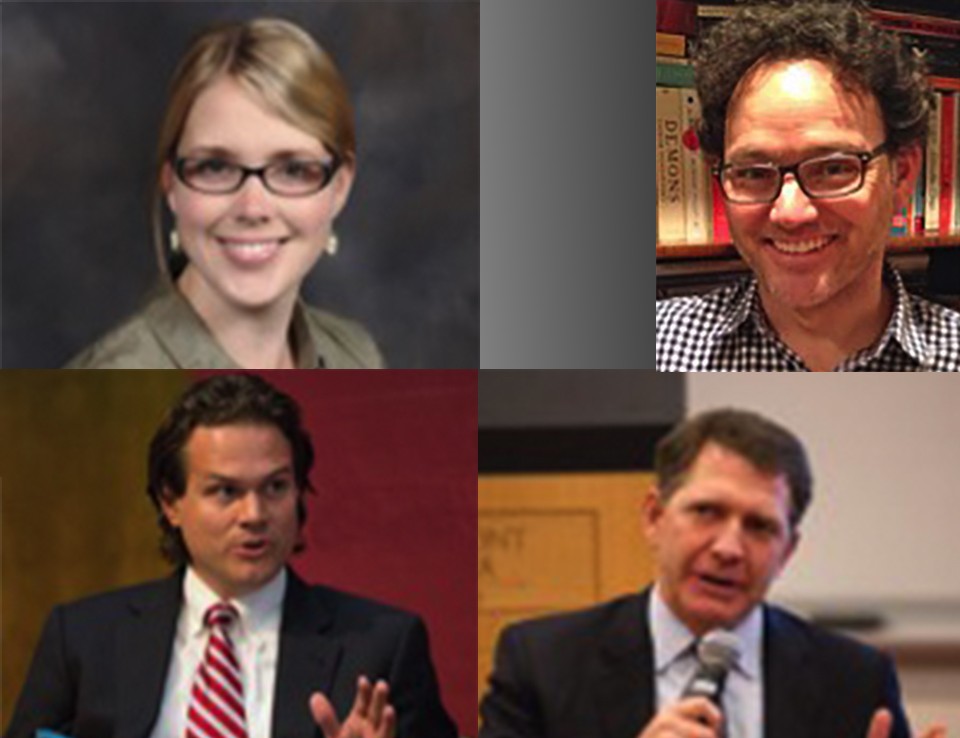
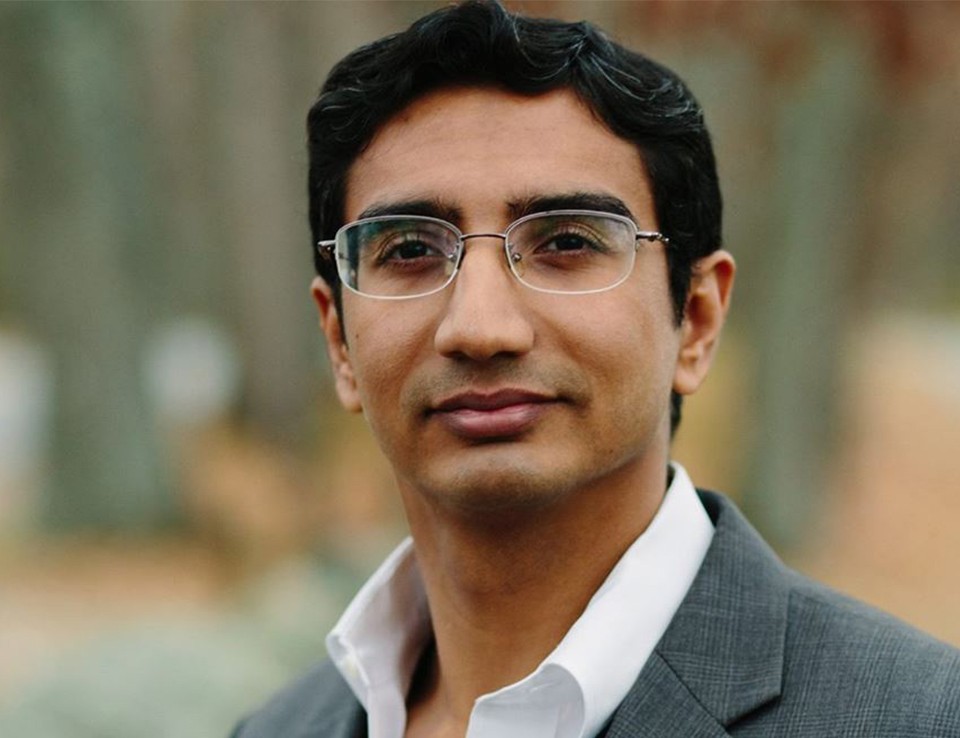
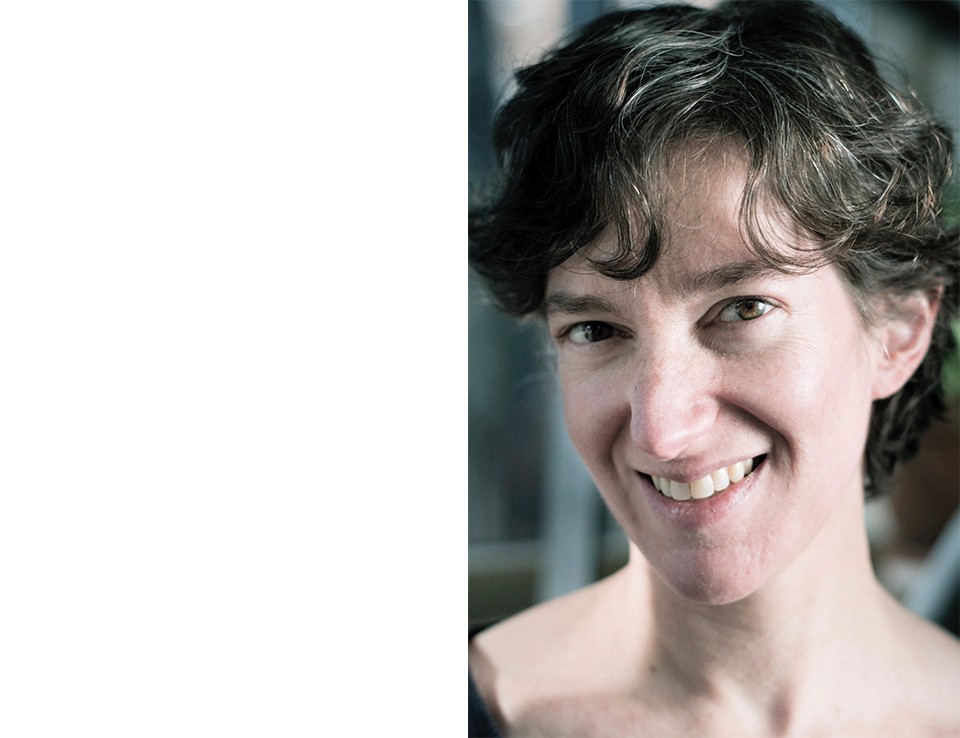
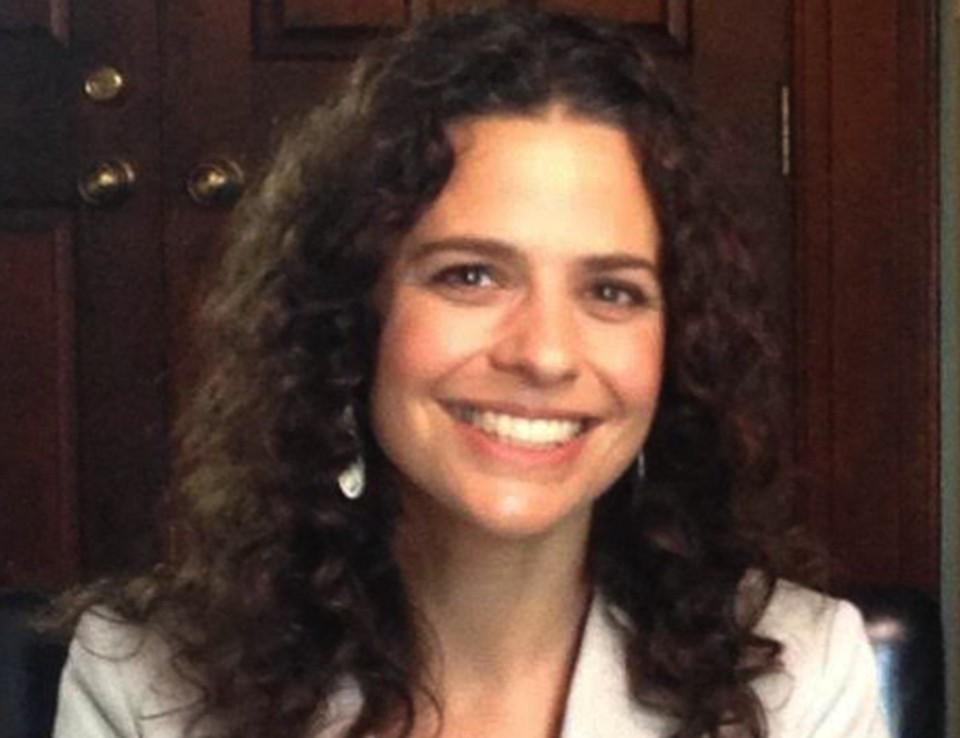
Since the American founding, broad agreement on the republican principles embodied in the Constitution has been a necessary condition for constructive policy debate. But what if the broad consensus over the Constitution breaks down? What if the nature of the conflict that currently animates our politics, which has often been encapsulated by the term “polarization,” is in fact the result of underlying disagreements on key elements of the Constitution? In particular, are the limitations that the Constitution places on democratic political power under sustained attack? Based on their recently recent book, Parchment Barriers: Political Polarization and the Limits of Constitutional Order, Zachary Courser, professor of government at CMC, will moderate a conversation with Amanda Hollis-Brusky, associate professor of politics at Pomona College, Kenneth Miller and George Thomas, both professors of government at CMC.  

Read more about the speaker

Zachary Courser is a visiting professor of government and research director of the Dreier Roundtable at CMC. He has published articles on populist political movements, American political parties, and American democracy. Courser has experience working in policy and government, both on Capitol Hill and as the director of CMC’s Washington Program, and co-directs CMC’s policy lab. He currently has an edited volume in review on the rise of populism in Europe and the United States with University of Pennsylvania Press.

Amanda Hollis-Brusky is an associate professor of politics at Pomona College. Author of Ideas with Consequences: The Federalist Society & the Conservative Counterrevolution, Hollis-Brusky’s work focuses on the dynamics of constitutional change and the role “support structures”—networks of lawyers and academics, nongovernmental institutions, and ideas—play in that process. Her second book project, on the rise and efficacy of the support structure for conservative Christian legal mobilization, is currently titled Higher Counsel: Training the Conservative Christian Legal Movement, co-authored with Joshua C. Wilson of University of Denver and under advance contract with Oxford University Press.

Kenneth P. Miller is an associate professor of government and associate director of the Rose Institute for Local Government at CMC. Miller’s primary research focuses on state government institutions, with emphasis on direct democracy (initiative, referendum, and recall) and the interaction between law and politics. His publications include Direct Democracy and the Courts, and he is currently working on a book comparing Texas and California as models of red and blue state politics and policy.

George Thomas is a professor of government and director of the Salvatori Center at CMC. Author of The Founders and the Idea of a National University: Constituting the American Mind and The Madisonian Constitution, Thomas’s research focuses on the American constitutional order, constitutional law, and American political thought

Read less
Mon, November 12, 2018
Dinner Program
Karen Erika Donfried

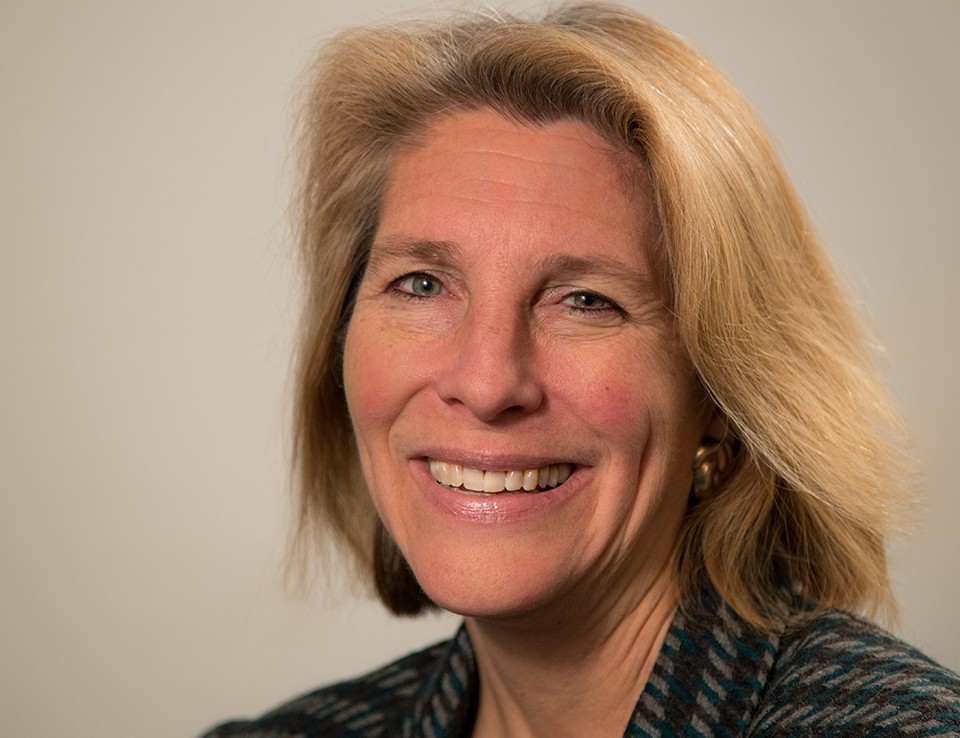
Europe has long been home to the most important allies of the United States. Yet President Trump has said NATO is “obsolete” and the European Union was “set up to take advantage of the United States.” Karen Erika Donfried, president of the German Marshall Fund of the U.S., will discuss whether transatlantic cooperation can survive Donald Trump.
 

Read more about the speaker

Karen Donfried is president of the German Marshall Fund of the United States (GMF), a nonprofit organization dedicated to strengthening transatlantic cooperation through policy analysis, fellowships for next generation leaders, and support for civil society. Headquartered in Washington, DC, GMF has seven offices in Europe.

Before assuming her current role in April 2014, Donfried was the special assistant to the president and senior director for European affairs on the National Security Council at the White House. In that capacity, she was the president’s principal advisor on Europe and led the interagency process on the development and implementation of the president’s European policies. Prior to the White House, Donfried served as the national intelligence officer (NIO) for Europe on the National Intelligence Council, the intelligence community’s center for strategic thinking. As NIO, she directed and drafted strategic analysis to advance senior policymakers’ understanding of Europe.

Donfried first joined GMF in 2001 after having served for ten years as a European specialist at the Congressional Research Service. From 2003 to 2005, she was responsible for the Europe portfolio on the U.S. Department of State’s Policy Planning Staff. She returned to GMF from 2005 to 2010, first as senior director of policy programs and then as executive vice president.

Donfried is a member of the board of trustees of Wesleyan University, her undergraduate alma mater. She serves as a senior fellow at the Center for European Studies at Harvard University, and is a member of the Council on Foreign Relations and the American Council on Germany.  From 2014 to 2016, Donfried served as vice chair of the World Economic Forum’s Global Agenda Council on the United States; in 2017, she became a member of WEF’s Europe Policy Group. Donfried is a member of the team of external advisors to the president of the 72nd session of the UN General Assembly. She was a member of U.S. Secretary of State John Kerry’s Foreign Affairs Policy Board from 2015 to 2017.

Donfried has a Ph.D. and MALD from the Fletcher School of Law and Diplomacy at Tufts University and a Magister from the University of Munich, Germany. She holds a bachelor’s in government and German from Wesleyan University. She received the Cross of the Order of Merit from the German Government in 2011, became an officer of the Order of the Crown of Belgium in 2010, and received a Superior Honor Award from the U.S. Department of State in 2005 for her contribution to revitalizing the transatlantic partnership.

President Donfried's Athenaeum talk is co-sponsored by the Keck Institute for International and Strategic Studies at CMC.

Food for Thought: Podcast with Karen Donfried

Read less
Mon, November 12, 2018
Dinner Program
David Makovsky

In 1993 Israeli and Palestinian leaders signed a Declaration of Principles, referred as the Oslo Accords, that were intended to provide the framework for further negotiations and actions that would produce a final resolution to conflict between the two parties. David Makovsky, the Ziegler distinguished fellow at The Washington Institute and director of the Project on the Middle East Peace Process, will review what the Accords attempted to accomplish, offer observations why most of the provisions were never implemented, and reflect on whether this agreement provides a viable forward in resolving the conflict. 

Read more about the speaker

David Makovsky, the Ziegler distinguished fellow at The Washington Institute and director of the Project on the Middle East Peace Process, is also lifetime member of the Council on Foreign Relations and adjunct professor in Middle East studies at Johns Hopkins University's Paul H. Nitze School of Advanced International Studies. Makovsky has not only been a close observer of the conflict as former executive editor of the Jerusalem Post, and diplomatic correspondent for Israel's leading daily, Haaretz, he also has participated in negotiations themselves as senior advisor to the State Department’s Special Envoy for Israeli-Palestinian Negotiations in 2013-2014.  He is author of numerous monographs and essays on issues related to the Middle East Peace Process and the Arab-Israeli conflict and is also coauthor, with Dennis Ross, of the 2009 Washington Post bestseller Myths, Illusions, and Peace: Finding a New Direction for America in the Middle East

Mr. Makovsky's Athenaeum talk is co-sponsored by the department of Religious Studies and the Jewish Studies Sequence at CMC, and Hillel of the Claremont Colleges.

(Parents Dining Room)

Read less
Thu, November 8, 2018
Dinner Program
George Will

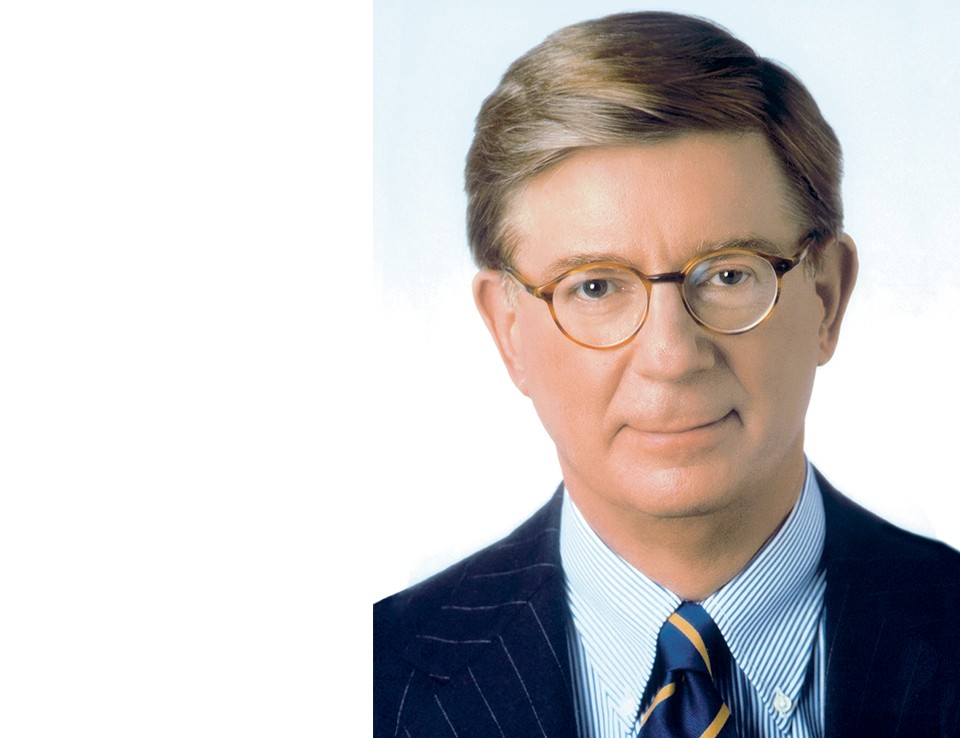
A foremost political commentator and columnist, George F. Will presents penetrating and incisive commentary on the Washington political scene, offering a glimpse into what the future holds for public affairs, public policy and American society.

Read more about the speaker

Pulitzer Prize-winning columnist George F. Will is one of the country’s most widely read political columnist, as well as a foremost conservative voice. His popular twice-weekly column for The Washington Post syndicate reaches nearly 475 newspapers throughout the United States and Europe. He is a prolific author with books ranging from The Woven Figure: Conservatism and America’s Fabric to Bunts to One Man's America: The Pleasures and Provocations of Our Singular Nation. An avid baseball fan, in 1990, Will published Men At Work: The Craft of Baseball, which topped the New York Times best-seller list for two months. His latest book, A Nice Little Place on the North Side: Wrigley Field at One Hundred, was released March 25, 2014. Will currently serves as a contributor for MSNBC and NBC News.

Mr. Will is the Fall 2018 speaker for the Res Publica Society Speaker Series.

NOTE: This event is restricted to CMC community members registered for the dinner program. 

Read less
Thu, November 8, 2018
Lunch Program
C. Dixon Osburn

How can one NGO take on the world’s war criminals? Dixon Osburn, executive director at the San Francisco-based Center for Justice and Accountability (CJA), will show how the CJA has been leading the charge against war criminals for the past twenty years.

Read more about the speaker

C. Dixon Osburn has more than 20 years of legal and political advocacy experience. He was co-founder and executive director of Servicemembers Legal Defense Network, a national security and human rights organization that spearheaded the effort to repeal “Don’t ask, don’t tell” and end sexual orientation discrimination in the armed forces. Most recently, Osburn served as the director of the Law & Security program for Human Rights First where he led efforts to align U.S. counter-terrorism policies with the rule of law, achieving significant changes in policy and practice regarding Guantanamo, torture, and armed drones.

Osburn has published extensively and served as a national spokesperson in print, on radio, and on television. He currently serves as an adjunct fellow at the American Security Project, on the Working Group for the Halifax International Security Forum, and is a member of the Campaign Board for the Victory Fund.

Osburn received his JD/MBA from Georgetown University and his AB with distinction from Stanford University.

Mr. Osburn's Athenaeum talk is co-sponsored by the Mgrublian Center for Human Rights at CMC.

Read less
Wed, November 7, 2018
Dinner Program
Dhruva Jaishankar

Now the world's fifth largest economy, India will soon be the largest country by population. Dhruva Jaishankar, fellow in foreign policy studies with Brookings India and the Brookings Institution in Washington DC, will discuss how this rising power will interact with and shape a world in flux.

Read more about the speaker

Dhruva Jaishankar is a fellow in foreign policy studies at Brookings India in New Delhi and the Brookings Institution in Washington DC. He is also a non-resident fellow with the Lowy Institute in Australia. His research examines India’s role in the international system and the effects of global developments on India’s politics, economics, and society, with a particular focus on India’s relations with the United States, the Indo-Pacific, and Europe. 

Jaishankar was previously a Transatlantic Fellow with the German Marshall Fund (GMF) in Washington DC from 2012 until 2016, where he managed the India Trilateral Forum, a regular policy dialogue involving participants from India, Europe, and the United States. From 2009 to 2012, he was a program officer for Asia with GMF. Prior to that, he worked as a research assistant at the Brookings Institution in Washington and as a news writer and reporter for CNN-IBN television in New Delhi. In 2015-2016, he was a visiting fellow with the South Asia Programme of the S. Rajaratnam School of International Studies at Nanyang Technological University in Singapore. He has been a David Rockefeller Fellow with the Trilateral Commission and an IISS-SAIS Merrill Center Young Strategist.

Jaishankar holds a bachelor's degree in history and classics from Macalester College, and a master's degree in security studies from Georgetown University.

Mr. Jaishankar’s Athenaeum talk is co-sponsored by the Keck Institute for International and Strategic Studies at CMC.
 

Food for Thought: Podcast with Dhruva Jaishankar

Read less
Tue, November 6, 2018
Dinner Program
Andrew Busch, Whitney Hua, Zenaida Huerta '20, Alec Lopata '19, Matthew May '20, Fabián Naranjo González, panelists; Andrew Sinclair '08, moderator

The Athenaeum will host 2018 midterms' election night coverage, where students and professors will analyze returns in real time, offer commentary on issues and possible outcomes, and project what this election means for Trump's presidency, Republican control of Congress, and Democratic aspirations. 

Read more about the speaker

Panelists include:

Andrew Busch, professor of government at Claremont McKenna College, department chair, and director of the Rose Institute, is a coauthor of books on the 2012 and 2016 elections;

Whitney Hua, Ph.D. candidate in political science at USC. Her dissertation project focuses on messaging in Congressional races, using social media data and machine learning methods;

Zenaida Huerta '20, government and literature double major;

Alec Lopata '19, government with a public policy sequence;

Matt May '20, government major with a legal studies sequence;

Fabián Naranjo González, candidate in political science at USC, focuses on American Politics, Latino/a Politics, and Race and Ethnic Politics. He has experience working on California politics as well; and, 

Andrew Sinclair '08, professor of government, Claremont McKenna College

Read less
Mon, November 5, 2018
Dinner Program
Valerie Sperling

Women in Russia and Turkey face pervasive discrimination. Only a small percentage dare to challenge their mistreatment in court. Facing domestic police and judges who often refuse to recognize discrimination, a tiny minority of activists have exhausted their domestic appeals and then turned to their last hope: the European Court of Human Rights (ECtHR). Valerie Sperling, professor political science at Clark University, will explore the obstacles that confront those who try to use domestic and international law to fight gender discrimination in Russia and Turkey, and will shed light on the factors that make legal victories possible both at home and abroad.

Read more about the speaker

Valerie Sperling teaches a variety of courses in comparative politics, including Russian politics; revolution and political violence; mass murder and genocide under communism; transitions to democracy; globalization and democracy; and introduction to women’s studies. Her research interests include globalization and accountability, social movements, gender politics, patriotism and militarism, and state-building in the post-communist region.

Among several other publications, Sperling's most recent book, Sex, Politics, and Putin: Political Legitimacy in Russia (Oxford University Press) won the Association for Slavic, East European, and Eurasian Studies' Davis Center Book Prize for the "outstanding monograph on Russia, Eurasia, or Eastern Europe in anthropology, political science, sociology or geography," as well as the Association for Women in Slavic Studies' Heldt Prize for the "Best book in Slavic/Eastern European/Eurasian Women's Studies." Sex, Politics and Putin was also included in Top 10 books on Russia for 2014.

Sperling is a graduate of Yale College; she subsequently received her M.A. from Georgetown, and her Ph.D. from the University of California, Berkeley in 1997

Professor Sperling’s Athenaeum presentation is co-sponsored by the Mgrublian Center for Human Rights at CMC.

Read less
Fri, November 2, 2018
Lunch Program
Karen O’Keefe

Since 2012, nine states, including California, have made marijuana legal for adults who are 21 or older. Karen O’Keefe, who directs state lobbying efforts for the Marijuana Policy Project, will examine how states are legalizing, taxing, and regulating the multi billion-dollar cannabis market and how legalization and regulation promotes customer, worker, and environmental safety. She will also discuss challenges that remain, including local bans, federal marijuana prohibition, and continued demand for illegally grown marijuana from states that still prohibit it.

Read more about the speaker

As the director of state policies at the Marijuana Policy Project, Karen O’Keefe manages grassroots and direct lobbying efforts in state legislatures for the largest nonprofit that is focused solely on marijuana policy reform. In her 15-year career at MPP, O’Keefe and her team have played a leading role in more than a dozen successful advocacy campaigns, including the first legalization law to pass a state legislature.

O'Keefe earned her J.D. from Loyola School of Law, New Orleans.

Ms. O'Keefe's talk is the second in a series hosted by the Rose Institute of State and Local Government on the topic of the public policy implications of marijuana legalization.

View Video: YouTube with Karen O'Keefe

Read less
Thu, November 1, 2018
Lunch Program
Peter Berkowitz

Many on campus today suppose that free speech interferes with education by creating a hostile environment that exposes students to harmful opinions and hateful ideas. Peter Berkowitz, senior fellow at Stanford University’s Hoover Institute, will argue that free speech—even and sometimes especially when objectionable and disagreeable notions are put forward—is indispensable to a liberal education worthy of the name and that free speech is not free unless all students and faculty—regardless of race, gender, or class—are able to express their thoughts and try out arguments without fear of formal punishment or social ostracism.

Read more about the speaker

A winner of the Bradley Prize in 2017, Peter Berkowitz is the Tad and Dianne Taube Senior Fellow at the Hoover Institution, Stanford University, where he is a member of the Military History/Contemporary Conflict Working Group. In addition, he serves as dean of students for the Hertog Political Studies Program and for The Public Interest Fellowship and teaches for the Tikvah Fund in the United States and in Israel. 

He studies and writes about, among other things, constitutional government, conservatism and progressivism in the United States, liberal education, national security and law, and Middle East politics.

A prolific writer and editor of books, articles, essays, and reviews, he is the author of, among many other publications, Constitutional Conservatism: Liberty, Self-Government, and Political Moderation (Hoover Institution Press, 2013); Israel and the Struggle over the International Laws of War (Hoover Institution Press, 2012); Virtue and the Making of Modern Liberalism (Princeton University Press, 1999); and Nietzsche: The Ethics of an Immoralist (Harvard University Press, 1995). He is also a contributor at RealClearPolitics.

In addition to teaching regularly in the United States and Israel, Berkowitz has led seminars on the principles of freedom and the American constitutional tradition for students from Burma at the George W. Bush Presidential Center and for Korean students at Underwood International College at Yonsei University in Seoul, South Korea.

Berkowitz taught constitutional law and jurisprudence at George Mason University School of Law from 1999 to 2006, and political philosophy in the department of government at Harvard University from 1990 to 1999.

He holds a JD and a PhD in political science from Yale University, an MA in philosophy from the Hebrew University of Jerusalem, and a BA in English literature from Swarthmore College.

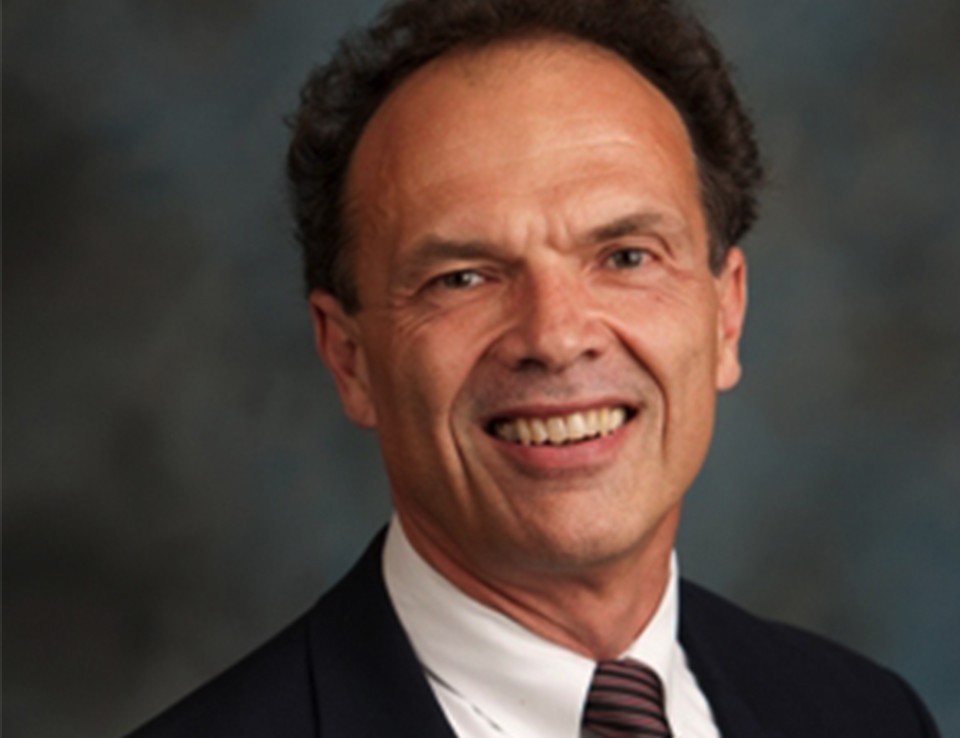
Professor Berkowitz is the featured speaker for the formal dedication of the Eggert Dining Room at the Athenaeum.

Photo credit: Anne Mandelbaum

View Video: YouTube with Peter Berkowitz

Food for Thought: Podcast with Peter Berkowitz
Read less
Tue, October 30, 2018
Dinner Program
Ken Miller and Bob Stern

Exercising the power to determine important policy issues by direct popular vote, this fall Californians will vote on 11 propositions covering a broad range of subjects including various bond measures, repeal on certain limits on rent control, an expansion of Prop 13, repeal of the recently enacted gas tax, potential changes to seasonal daylight savings time, and further regulation of farm animal confinement. Bob Stern, one of the state’s leading political commentators, and Ken Miller, professor of government at CMC, will provide expert analysis of these consequential choices and will also present the Video Voter series of informational videos produced by Rose Institute students.

Read more about the speaker

Bob Stern is the co-founder and former president of the Center for Governmental Studies, a California think tank focused on political reform. Stern has been called “the godfather of modern political reform in California.” He began drafting and analyzing political reform laws as a staff attorney for the California Legislature’s Assembly Elections Committee; he then served as the Elections Counsel to the California Secretary of State’s office. He has drafted numerous state initiatives, and was a principal drafter of the City of Los Angeles’ Ethics and Public Campaign Financing laws in 1990. Stern is a graduate of Pomona College and Stanford Law.

Ken Miller is a member of the Government Department at CMC and is the Associate Director of the Rose Institute. His research focuses on state government institutions, with emphasis on direct democracy (initiative, referendum, and recall) and the interaction between.


View Video: YouTube with Ken Miller and Bob Stern


Read less
Mon, October 29, 2018
Dinner Program
Susana Loza

Susan Loza, associate professor of critical race, gender, and media studies at Hampshire College, examines how the resurrected Apes franchise simultaneously reactivates fears about miscegenation, degeneration, mutation, and subjugation while mystifying the historical roots of white supremacist fantasies.

Read more about the speaker

Susana Loza teaches cultural studies, critical race theory, film and media studies, popular music, feminist theory, and ethnic studies at Hampshire College in Holyoke, Massachusetts. Her most recent book, Speculative Imperialisms: Monstrosity and Masquerade in Postracial Times, explores the resurgence of ethnic simulation in science fiction and fantasy in a putatively post-colonial era. Her next project, Settler Colonial Gothic, excavates the (settler) colonial ideologies and gothic elements of contemporary US horror television and film.

Loza received her B.A. degrees in political science and psychology from Stanford University, and a Ph.D. in Comparative Ethnic Studies from the University of California at Berkeley. Her research interests include the social construction of race and sex in speculative media; power, privilege and cultural appropriation; gender and ethnic performativity in digital spaces; the politics of sampling and remixing; colonial cosplay in steampunk; the activist potential of social media; and the post-racial turn in popular culture. 

A prolific writer, Loza’s writings include Vampires, Queers, and Other Monsters: Against the Homonormativity of True Blood, Hashtag Feminism, #SolidarityIsForWhiteWomen, and the Other #FemFuture, Samples of the Past: Performative Nostalgia, Illicit Sounds, and Cultural Transformation in Latin House Music, Sampling (Hetero)sexuality: Diva-ness and Discipline in Electronic Dance Music, and Orientalism and Film Noir: Subjective Sins and Othered Desires.”

Read less
Thu, October 25, 2018
Dinner Program
Charles Kesler

Bill Buckley and his magazine, National Review, helped to invent the modern American conservative movement in the 1950s and 1960s. Charles Kesler, professor of government at CMC, will discuss how Buckley managed to turn a small intellectual movement of traditionalists, libertarians, and anti-Communists into the dominating spirit of the Republican Party, and of mainstream American politics, in the 1980s and beyond. He will also address whether the rise of Donald Trump signals the end of Buckley’s and Reagan’s conservative movement, or its evolution into a new form for a new day.


Read more about the speaker

Charles Kesler is the Dengler-Dykema Distinguished Professor of Government at CMC, and for almost two decades served as director of the College's Henry Salvatori Center for the Study of Individual Freedom in the Modern World. He is the editor of the Claremont Review of Books and a senior fellow of the Claremont Institute. In 2017, he was named to the POLITICO 50, Politico magazine’s annual list of the fifty most influential “dreamers, doers, and thinkers who are reshaping American politics.”  In May, Kesler was awarded a 2018 Bradley Prize by the Lynde and Harry Bradley Foundation. His edition of The Federalist Papers is the best-selling one in the country. His most recent book is I Am the Change: Barack Obama and the Future of American Liberalism.


Read less
Thu, October 25, 2018
Dinner Program
Jason Stanley

Fascism has a definite historical and conceptual structure that belies its use as a mere pejorative. Jason Stanley, professor of philosophy at Yale University and author of "How Fascism Works: The Politics of Us and Them" will discuss what is fascist politics, why, across time and place, is it so attractive, and who are its victims.

Read more about the speaker

Jason Stanley is the Jacob Urowsky Professor of Philosophy at Yale University. Before coming to Yale in 2013, he was Distinguished Professor in the department of philosophy at Rutgers University. He has also been a professor at the University of Michigan (2000-4) and Cornell University (1995-2000). He earned his Ph.D in 1995 from the department of linguistics and philosophy at MIT, and he received his B.A. from the State University of New York at Stony Brook in 1990.

Stanley has two forthcoming books: How Fascism Works: The Politics of Us and Them (Penguin Random House, September 11, 2018) and The Politics of Language, co-authored with David Beaver (Princeton University Press, 2019).

Stanley has four previously published books including Knowledge and Practical Interests published in 2005 by Oxford University Press won the 2007 American Philosophical Association book prize and How Propaganda Works, published by Princeton University Press in May, 2015, was the winner of the 2016 PROSE award for the subject area of philosophy.

Professor Stanley's Athenaeum presentation is the 2018 Golo Mann Lecture and is sponsored by the Gould Center for Humanistic Studies.

View Video: YouTube with Jason Stanley

Food for Thought: Podcast with Jason Stanley

Read less
Thu, October 25, 2018
Lunch Program
Jack Pitney

John J. Pitney, professor of government at Claremont McKenna College, will offer an overview of the 2018 congressional and state elections and will consider the prospects for a shift in party balance in Congress, and the possible impact on public policy in 2018 and beyond.  


Read more about the speaker

John J. Pitney, Jr. is Roy P. Crocker Professor of American History and Politics at Claremont McKenna College where he teaches courses on Congress, interest groups, political parties, and mass media. A leading expert on the structure and practice of American politics, Pitney is a widely published author or co-author of six books on American politics, including The Art of Political Warfare (2001) and The Politics of Autism: Navigating The Contested Spectrum (2015). He is currently writing a book on the 1988 presidential campaign. In addition to his books, Pitney has published numerous scholarly articles and short essays, and is a regular contributor to newspapers and magazines. He is routinely featured on NPR and other television and radio programs. 

Pitney has not only shaped the study of government at Claremont McKenna College for nearly 30 years, he has also helped shape government itself through his many roles, including as the acting director for the Research Department of the Republican National Committee (1990-1991) and as the Senior Domestic Policy Analyst for the US House Republican Research Committee, among other important appointments. 

Pitney holds a B.A. in political science from Union College, where he was co-valedictorian, and a Ph.D. in political science from Yale, where he was a National Science Foundation Fellow. He received the CMC Presidential Award in 2013 and was named one of the 300 best professors in the United States by the Princeton Review in 2012. 


View Video: YouTube with John J. Pitney, Jr.

Read less

Marian Miner Cook Athenaeum

Claremont McKenna College
385 E. Eighth Street
Claremont, CA 91711

Contact

Phone: (909) 621-8244 
Fax: (909) 621-8579 
Email: