Marian Miner Cook
Athenaeum

A distinctive
feature of social and
cultural life at CMC


Current Semester Schedule

Athenaeum events are posted here as detailed information becomes available.

Mon, April 9, 2018
Dinner Program
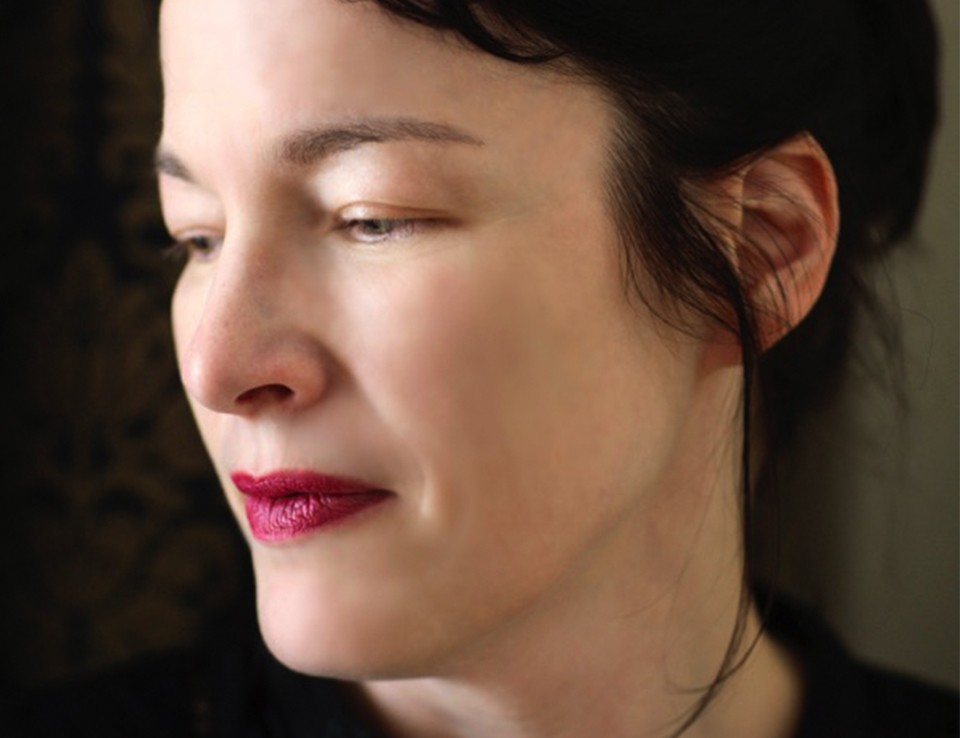
Alice Sebold

Alice Sebold, best selling author and memoirist, was raped while a student at Syracuse University and subsequently successfully prosecuted her assailant. She will draw from that personal experience to speak to the idea that it is not just the victims of sexual assault—found in every gender, ethnicity, age group, and social class—that suffer in a world where sex crimes are increasingly common place, but all of us. Though not shying away from the grim realities of the present, Sebold's goal is to provide hope by working to dismantle the antiquated and destructive divisions that still exist among us and to inspire a more open dialogue.

Read more about the speaker

Despite its dark subjects of rape, child murder, and the dissolution of families, Alice Sebold's The Lovely Bones was one of the best-reviewed novels of the '00s. The book, which was later adapted for cinema, quickly became an unprecedented international bestseller, with translations in over 45 languages with American sales alone of over five million copies. Three months after the publication of The Lovely Bones, Sebold’s 1999 memoir Lucky, an account of her rape at the age of 18 and the trial that followed, also rose to number one on The New York Times bestseller list. 

The Almost Moon, Sebold's 2007 controversial second novel, another #1 bestseller, generated more critical discord—both laudatory and negative—as Sebold plunged into taboo territories of matricide, mental illness, and profound ambivalence about mother/daughter relationships.

Born in Madison, Wisconsin, Sebold grew up in the suburbs of Philadelphia and attended Syracuse University as well as the University of Houston and UC Irvine. She has contributed to numerous anthologies and edited The Best American Short Stories 2009

Ms. Sebold's Athenaeum presentation is co-sponsored by the Gould Center for Humanistic Studies at CMC.

Photo credit: Becky Sapp

Read less
Mon, April 9, 2018
Lunch Program
Anthony D. Ong

Changes in cognitive and physiological functioning pervade the aging process. Importantly, alterations in these processes are not invariant with age, but are influenced by individual differences in vulnerability and resilience that accrue across the lifespan. In this talk, Anthony D. Ong, professor of human development at Cornell University, will focus on what is known about positive emotions as a contributing factor in slowing or delaying the rate of age-associated decline in resilience, describe plausible mechanisms that underlie the association between positive emotions and mental and physical health, review illustrative studies examining these mechanisms, and discuss new research questions that pose important challenges for future research.

Read more about the speaker

Dr. Anthony D. Ong  holds appointments at Weill Cornell Medical College and at Cornell University, where he is professor of human development and director of the Human Health Labs.

He received his Ph.D. in developmental psychology from the University of Southern California and completed his postdoctoral training in adult development and aging at the University of Notre Dame.

He is an elected fellow of the Gerontological Society of America, an Outstanding Educator and a Merrill Presidential Scholar. Ong is the author of Emotion, Aging and Health, and the Oxford Handbook of Methods in Positive Psychology. His research has been funded by the National Institute of Aging and the Templeton Foundation among others.

Dr. Ong's Athenaeum presentation is co-sponsored by the Berger Institute for Work, Family & Children at CMC.

Read less
Thu, April 5, 2018
Dinner Program
Nadine Strossen

We live in an era in which offensive speech is on the rise. Given its potential for harm, should this speech be banned? Nadine Strossen, professor of law at NYU School of Law and former president of the ACLU, dispels the many misunderstandings that have clouded the perpetual debates about "hate speech vs. free speech." She argues that an expansive approach to the First Amendment is most effective at promoting democracy, equality, and societal harmony and that anti-hate speech laws are not effective in reducing the feared harms, and worse yet, are likely counterproductive by giving enforcement officials the power to suppress vital expression and target minority viewpoints. The solution, maintains Strossen, instead is to promote equality and societal harmony through vibrant "counterspeech."


Read more about the speaker

Nadine Strossen is the John Marshall Harlan II Professor of Law at New York Law School. She has written, taught, and advocated extensively in the areas of constitutional law and civil liberties, including through frequent media interviews. From 1991 through 2008, she served as president of the American Civil Liberties Union, the first woman to head the nation’s largest and oldest civil liberties organization. Strossen is currently a member of the ACLU’s National Advisory Council, as well as the advisory boards of EPIC (Electronic Privacy Information Center), FIRE (Foundation for Individual Rights in Education), and Heterodox Academy. When she stepped down as ACLU President in 2008, three Supreme Court Justices (Ruth Bader Ginsburg, Antonin Scalia, and David Souter) participated in her farewell and tribute luncheon.

Strossen is also a prolific author. Her latest book, HATE: Why We Should Resist it With Free Speech, Not Censorship, will be published in 2018. Her first two books are Defending Pornography: Free Speech, Sex and the Fight for Women’s Rights and Speaking of Race, Speaking of Sex: Hate Speech, Civil Rights and Civil Liberties. In addition, Strossen has written dozens of articles and book chapters.

Strossen is a graduate of Harvard College and Harvard Law School.

Professor Strossen's Athenaeum presentation is co-sponsored by the Rose Institute for State and Local Government.

View Video: YouTube with Nadine Strosser


Read less
Thu, April 5, 2018
Lunch Program
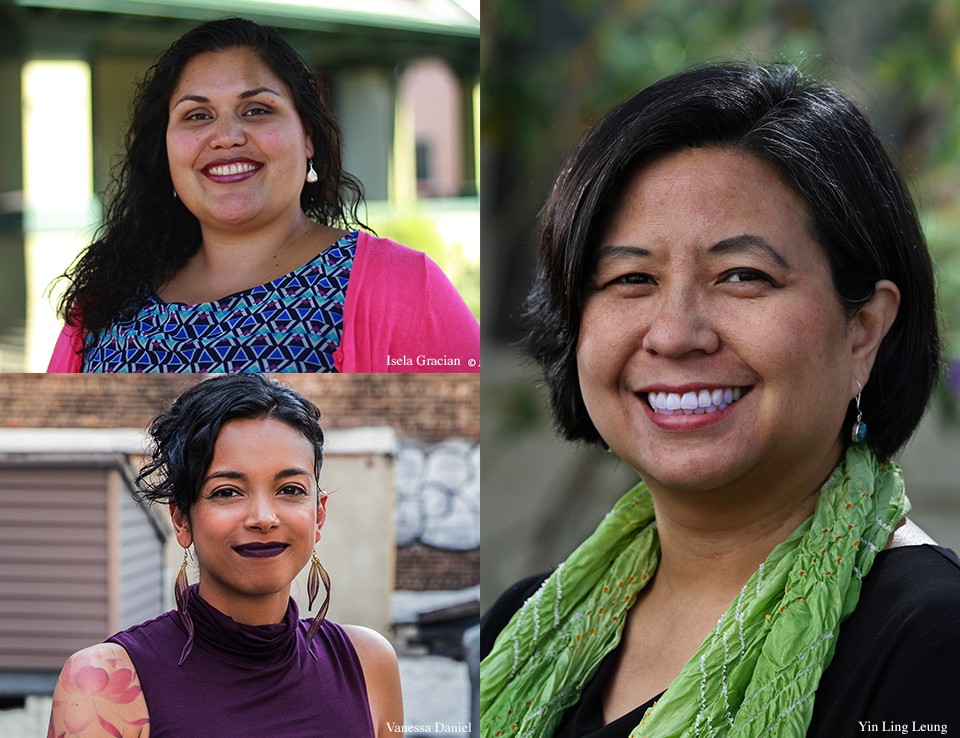
Vanessa Daniel, Isela Gracian, and Yin Ling Leung, panelists

How do women of color create and sustain their leadership styles? Going beyond what is visible on the surface, what fuels their drive? How do they navigate the worlds they seek to change? How does their unique insight illuminate a clear path for themselves and others? The women behind the veil are the leaders, change makers and agents renovating the landscape of their communities. The panelists, three executive directors – Vanessa Daniel of Groundswell Fund, Isela Gracian of East LA Community Corporation, and Yin Ling Leung, formerly with Asian Pacific Environmental Network and Asian and Pacific Islanders for Reproductive Health, will discuss their leadership journeys and the external and internal forces that influenced them.

Read more about the speaker

Vanessa Daniel is the founder and executive director of Groundswell Fund, the largest funder of the U.S. reproductive justice movement and of Groundswell Action Fund. This is the largest fund in the country focusing its giving to women of color-led 501c4 organizations. Under Daniel’s leadership, Groundswell has moved nearly $40 million to the field, with a focus on grassroots organizing led by women of color, low income women and transgender people. In 2017, Groundswell received the National Committee of Responsible Philanthropy’s “Impact Award” for challenging issue silos and Daniel was featured in the Chronicle of Philanthropy as one of 15 “Influencers” who are changing the non-profit world. She is also the recipient of a 2012 Gerbode Foundation Fellowship, and the 2017 National Network of Abortion Funds’ Abortion Action Vanguard Award. Prior to Groundswell, Vanessa supported LGBT rights, economic and environmental justice grant-making at Tides Foundation; organized homecare workers with SEIU; helped win a landmark living wage law with the East Bay Alliance for a Sustainable Economy (EBASE); and conducted research to support the organizing efforts of welfare mothers with the Applied Research Center (now Race Forward). Daniel currently serves on the board of directors of Common Counsel Foundation. She has a B.A. in American Ethnic Studies from Smith College and is a graduate of the Center for Third World Organizing’s Movement Activist Apprenticeship Program.

Isela Gracian is president of East LA Community Corporation (ELACC), a social and economic justice community development organization on LA’s Eastside. Growing up, her immigrant parents inculcated strong roots and links to their cultural traditions, which is now a hallmark of her leadership, infusing ELACC’s organizational principles with her cultural practices to forge staff unity and celebrate what binds them to their community. The skills she honed as a young mujer served as a foundation that was further developed through her time at U.C. Davis where she received her B.A. and embarked on her path to working alongside residents for equity in immigrant communities. Recognized for her work at ELACC as a distinguished authority among Southern California community development leadership, Gracian serves on various boards, including Strategic Concepts in Organizing and Political Education (SCOPE) and the California Reinvestment Coalition. She is also a National Advisory Board member to the Strong, Prosperous, and Resilient Communities Challenge (SPARCC).

Yin Ling Leung is the chief strategy officer and the co-founder of Applied Research Works, a Palo Alto-based health technology company, where she works on her passion creating actionable metrics for addressing Whole Person Care (WPC) a framework for addressing health disparities. Her life’s work has spanned organizing for better working conditions for sweatshop workers, preventing toxic exposure for vulnerable communities, reproductive health and justice and advocating for more democratic philanthropy. Leung held key leadership roles at Asian Immigrant Women Advocates, Asian Pacific Environmental Network, Asians and Pacific Islanders for Reproductive Health and the National Asian Pacific American Women’s Forum (NAPAWF). She was one of the original organizers and founding sisters of NAPAWF, the first national organization of its kind born out of the 1995 United Nations’ Women’s Conference in Beijing. In the past, Leung has also served as a strategist to the New World Foundation, Ford Foundation, Social Justice Fund Northwest, Women’s Funding Alliance, Communities for a Better Environment, Asian Americans/Pacific Islanders in Philanthropy and the Ms. Foundation for Women. She was recently appointed to the board of the Ms. Foundation for Women. Leung spent her childhood in Hawai’i and is a graduate of Oberlin College and Stanford University.

This conversation is part of the Behind the Veil: Women, Race, and Leadership in the Social Change Nonprofit Sector (“BTV”) speaker series. BTV explores leadership models and perspectives by harnessing the power of first person narrative and storytelling by nonprofit CEOs on the frontlines of social change.

View Video: YouTube with Behind the Veil
Read less
Wed, April 4, 2018
Dinner Program
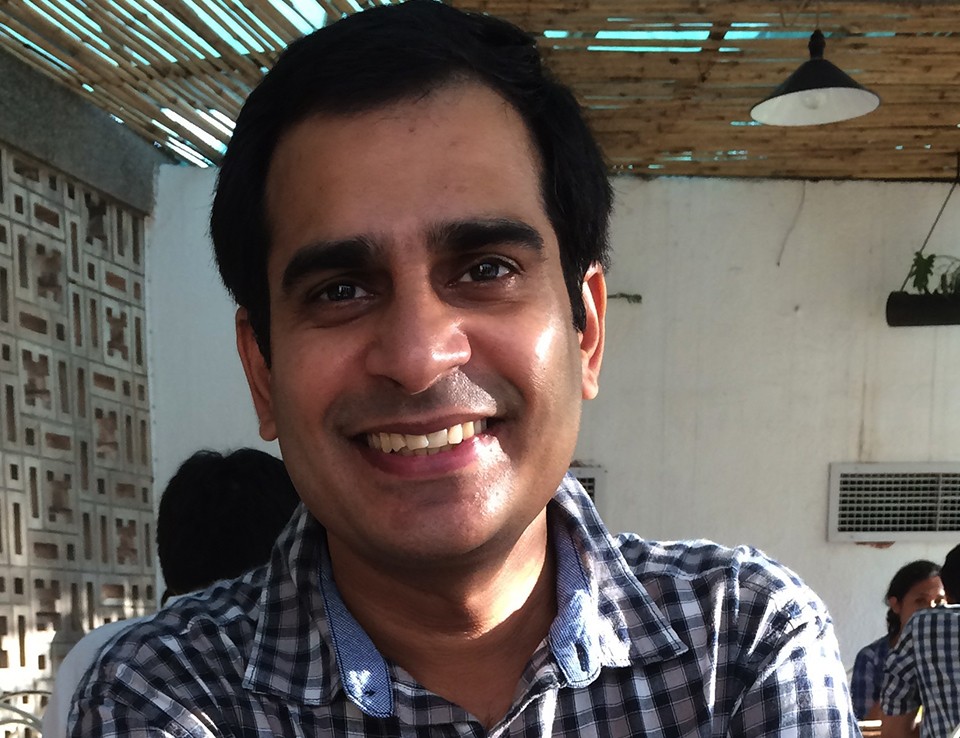
Gaurav Saini

Gaurav Saini, actor, director, film maker, and theatre instructor, will introduce Rasa theory and practice through a brief exploration of the nine Rasas (major emotions) as outlined in Bharata's Natyashatra. Rasa embodies a concept in Indian arts about the aesthetic flavor of any visual, literary or musical work, that evokes an emotion or but that cannot be described in words. Rasa participants will experience different breathing techniques and explore basic movements from Indian dance-theatre forms and discuss the fundamental aesthetic theory underlying the classical and folk performing arts of India.

Read more about the speaker

Gaurav Saini is an actor, director, film maker, and theatre instructor. He conducts workshops in theatre and theatre therapy for individuals and institutions. He started his journey in theatre with Barry John, first as a student of acting and then as an assistant teacher. He has explored many forms and approaches to theatre, including highly physical and rigorous forms of training in traditional Indian dance and martial arts forms and Western theatre. He is also a martial artist, with a black belt in Thang-Ta, and training in Aikido, Kalarippayattu, Tai-Chi, and Judo. He is affiliated with NIRMAN, a non-profit organization based in Varanasi, India. 

Read less
Wed, April 4, 2018
Dinner Program
Matthew Garcia

Mexican people have contributed their lives to the development of the Claremont Colleges. Arbol Verde has been one source of that contribution and a home to the area’s earliest Mexican residents. While this relationship has produced more than a century of learning, it has also generated tensions over land and labor. Matthew J. Garcia, professor of Latin American, Latino & Caribbean Studies and History at Dartmouth College, shows why this relationship has been fraught but remains a potential source of pride for both communities.

Read more about the speaker

Matthew J. Garcia is professor of Latin American, Latino & Caribbean Studies and History at Dartmouth College. He previously taught at Arizona State University, Brown University, University of Oregon, and the University of Illinois, Urbana-Champaign. His book, A World of Its Own: Race, Labor and Citrus in the Making of Greater Los Angeles, 1900-1970 won the award for the best book in oral history by the Oral History Association in 2003. His most recent book, From the Jaws of Victory: The Triumph and Tragedy of Cesar Chavez and the Farm Worker Movement, won the Philip Taft Award for the Best Book in Labor History, 2013.  He is the co-editor of Food Across Borders with Melanie DuPuis and Don Mitchell published by Rutgers University Press in 2017. Garcia also served as the outreach director and co-primary investigator for the Bracero Archive Project, which received a National Endowment for the Humanities Grant in 2008, and was the recipient of the Best Public History Award by the National Council for Public History in 2009-2010. 

He was born in Upland, California and graduated from Damien High School in La Verne. He completed his Ph.D. in History at the Claremont Graduate University in 1997.

Professor Garcia's Athenaeum talk is co-sponsored by the history department at CMC.

View Video: YouTube with Matthew Garcia

Read less
Tue, April 3, 2018
Dinner Program
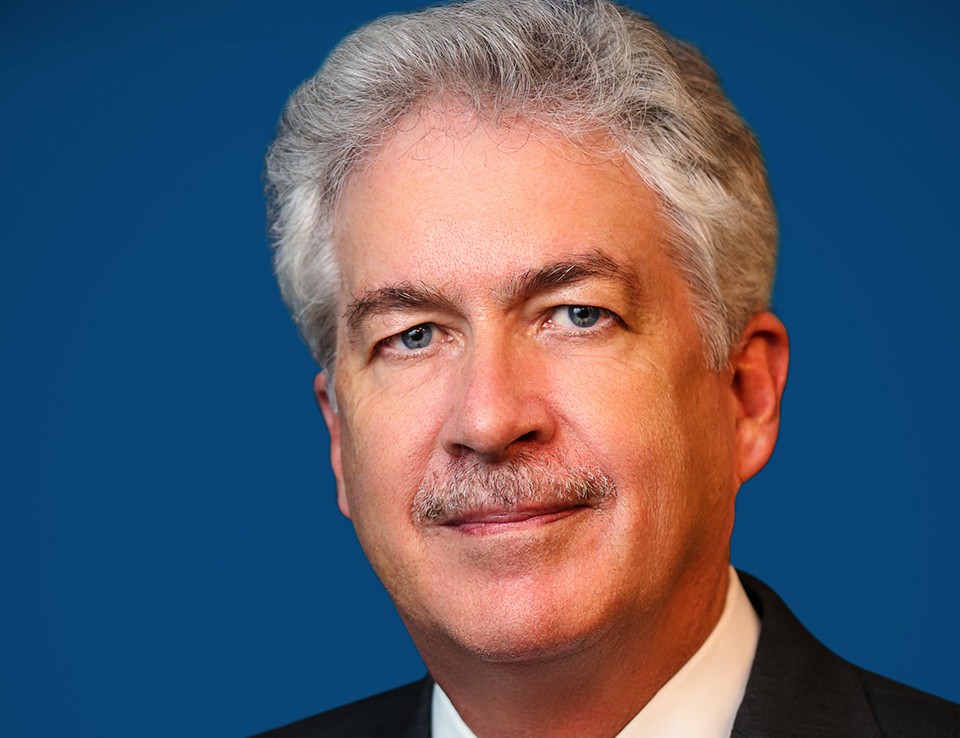
William J. Burns

After years of war and international instability, Americans feel a profound sense of insecurity and fatigue about engagement with the world. Baffled and battered by the dislocating forces of globalization, Americans wonder whether we can—and whether we even should—continue to play a leadership role on an endlessly complicated international landscape. Ambassador William J. Burns, president of the Carnegie Endowment for International Peace and former deputy secretary of state, will draw on his 33 years as an American diplomat to describe how he sees a changing world and America’s role in it, and why American diplomacy is in many ways more important and relevant than ever before.

Read more about the speaker

Ambassador William J. Burns is president of the Carnegie Endowment for International Peace, the oldest international affairs think tank in the United States. Burns retired from the U.S. Foreign Service in 2014 after a 33-year diplomatic career. He holds the highest rank in the Foreign Service, career ambassador, and is only the second serving career diplomat in history to become deputy secretary of state.

Prior to his tenure as deputy secretary, Burns served from 2008 to 2011 as under secretary for political affairs. He was ambassador to Russia from 2005 to 2008, assistant secretary of state for Near Eastern affairs from 2001 to 2005, and ambassador to Jordan from 1998 to 2001. His other posts in the Foreign Service include executive secretary of the State Department and special assistant to former secretaries of state Warren Christopher and Madeleine Albright, minister-counselor for political affairs at the U.S. embassy in Moscow, acting director and principal deputy director of the State Department’s policy planning staff, and special assistant to the President and senior director for Near East and South Asian affairs at the National Security Council.

Burns speaks Russian, Arabic, and French, and he has been the recipient of three Presidential Distinguished Service Awards and a number of Department of State awards, including three Secretary’s Distinguished Service Awards, two Distinguished Honor Awards, the 2006 Charles E. Cobb, Jr. Ambassadorial Award for Initiative and Success in Trade Development, the 2005 Robert C. Frasure Memorial Award for Conflict Resolution and Peacemaking, and the James Clement Dunn Award for exemplary performance at the mid-career level. He has also received the highest civilian honors from the Department of Defense and the U.S. intelligence community. In 2013, Foreign Policy named him “Diplomat of the Year”.

Burns earned a bachelor’s in history from LaSalle University and master’s and doctoral degrees in international relations from Oxford University, where he studied as a Marshall Scholar. He is a recipient of four honorary doctoral degrees and is a member of the American Academy of Arts and Sciences. Burns is the author of Economic Aid and American Policy Toward Egypt, 1955-1981 (State University of New York Press, 1985). In 1994, he was named to Time magazine’s list of the “50 Most Promising American Leaders Under Age 40” and to its list of “100 Young Global Leaders.”

Ambassador Burns' Athenaeum presentation is co-sponsored by the Keck Center for International and Strategic Studies at CMC.

Read less
Mon, April 2, 2018
Dinner Program
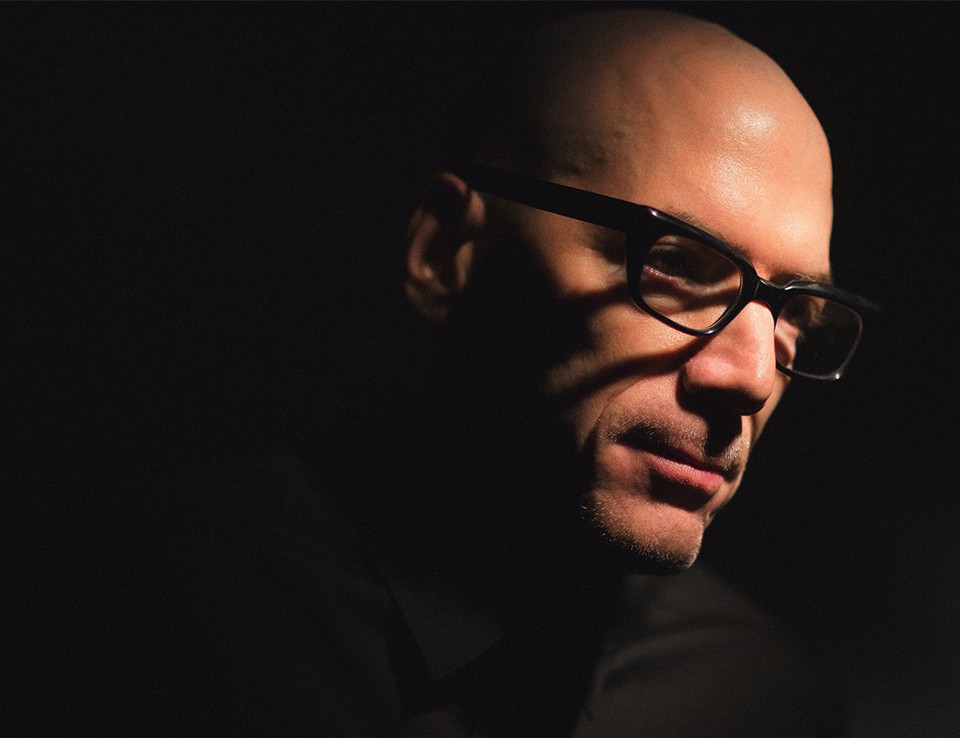
David E. Tolchinsky P'20

From It’s a Wonderful Life to Erin Brockovich to Game of Thrones’ Red Wedding episode to Moonlight to Wonder Woman: What does the ending of a movie or television show tell you about the politics of the storyteller, the intended audience, or the time period in which it was produced? Using diverse movie and television clips, screenwriter and Northwestern University department of radio-tv-film chairman David Tolchinsky P'20 will discuss how endings change not just based on the needs of a story, but also the prevailing zeitgeist. He will also discuss contemporary trends in endings and how to interpret their deeper meanings. Finally, he will reflect on the importance for authors to protect what they believe to be the right ending, even if unpopular.


Read more about the speaker

David E. Tolchinsky P'20 is a screenwriter/playwright/director and the chair of Northwestern University's Department of Radio-TV-Film and Founder/Director of Northwestern's MFA in Writing for Screen+Stage.

Tolchinsky's work often centers on teen subcultures, psychological horror, mental illness, and the figure of the psychiatrist. Increasingly, he’s been interested in health and illness in the modern world, especially illnesses that are not easily explainable. He has been commissioned by such studios as Touchstone/Disney, MGM, Ivan Reitman's Montecito Pictures, USA Networks, among others, to write feature screenplays. 

He was  the recipient of a 2014 Illinois Arts Council Artist Fellowship in Literature (Poetry, Prose, Scriptworks) and was voted best director for the New York production of his play, an adaptation of his essay, Where's the Rest of Me? Recently, he co-curated Sick by Seven (seven plays/films about mental illness) at A Red Orchid Theatre in Chicago, wrote and co-produced The Coming of Age, which received a Silver Medal from the Los Angeles Film Review, and he was number 7 on New City's Film 50 2017: Chicago Screen Gems. Currently, he is directing a psychological thriller, Cassandra, about the memory recovery movement in the '90s, and is working on a play about the rogue 1940’s psychologist Wilhelm Reich.  

Tolchinsky received his undergraduate degree from Yale College and an MFA from the USC School of Cinematic Arts.   

Photo credit: Joe Mazza/Bravelux.com

View Video: YouTube with David Tolchinsky P'20

Food for Thought: Podcast with David Tolchinsky
 

Read less
Thu, March 29, 2018
Lunch Program
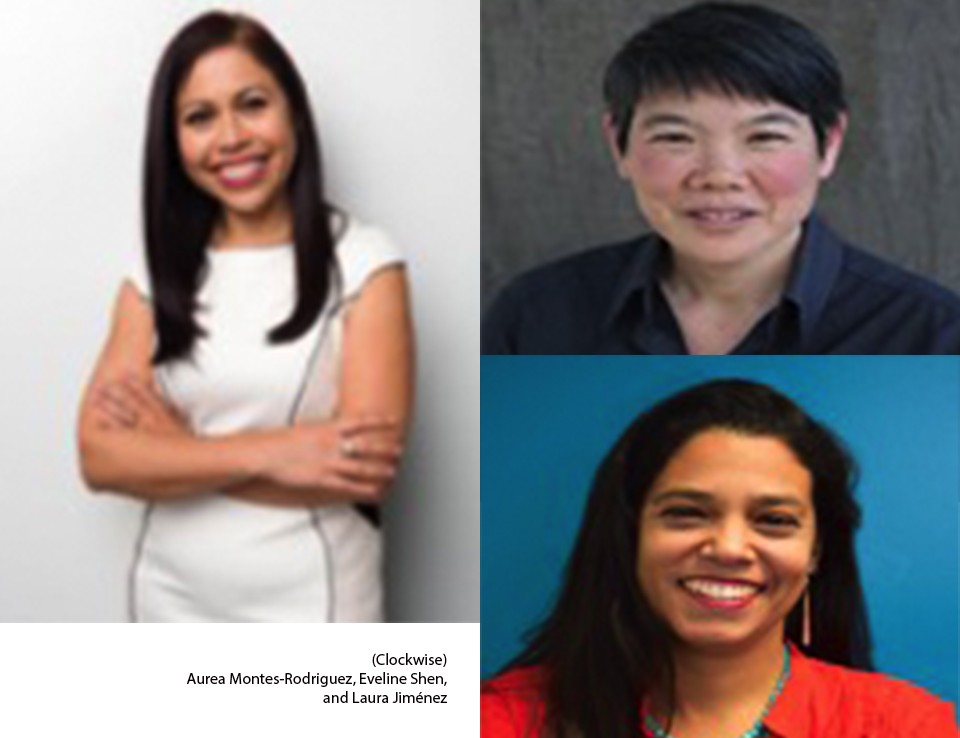
Laura Jiménez, Aurea Montes-Rodriguez and Eveline Shen, panelists

How do women of color create and sustain their leadership styles? Going beyond what is visible on the surface, what fuels their drive? How do they navigate the worlds they seek to change? How does their unique insight illuminate a clear path for themselves and others? The women behind the veil are the leaders, change makers and agents renovating the landscape of their communities. The panelists, Laura Jiménez, Aurea Montes-Rodriguez and Eveline Shen will outline their process and the way to forge a path for the future.

Read more about the speaker

Laura Jiménez is the executive director of California Latinas for Reproductive Justice (CLRJ) based in Los Angeles, California. After obtaining a B.A. in Ethnic Studies from U.C. San Diego, Jiménez began her career with the National Latina Health Organization in Oakland, California where she led a girls’ mentorship program and initiated a collaboration between the organization and U.C. Berkeley to offer a class entitled, “Redefining Latina Health: Body, Mind and Spirit,” as well as an Intergenerational Conference on Latinas, Sex and Sexuality. Jiménez completed her Master’s degree in Ethnic Studies at San Francisco State University and then established the same college course and conference at Hunter College in New York City. Jiménez has enjoyed a long and distinguished career with several leading women’s groups, including the Dominican Women’s Development Center in Washington Heights, SisterSong Women of Color Reproductive Justice Collective, and most recently CLRJ. Since joining CLRJ, she has been engaged in Reproductive Justice policy advocacy, community engagement and community informed research efforts.

Aurea Montes-Rodriguez is the executive vice president at Community Coalition, a social justice non-profit based in South Los Angeles. Born in Mexico but raised in South LA, Montes-Rodriguez has been a key leader in ensuring unity with the black and brown community around shared concerns such as the economy, child welfare, law enforcement issues, and education. She has worked at Community Coalition for over 20 years, where she has been responsible for building the organization’s youth programs to fight for educational equity, leading efforts to keep children in family care and out of the foster care system, helping to build organizing capacity in South Los Angeles, and leading a capital campaign to transform the organization’s headquarters in to a state of the art community hub for community organizing. Montes-Rodriguez is a co-founder of Partners for Children South LA, a multiagency initiative that seeks to improve children’s development and reduce the risk of involvement with the child welfare system. She is also a member of the Building Movement Project working to build capacity within the non-profit sector to promote social justice at the national level.

Since Eveline Shen's leadership began in 1999, Forward Together has become widely recognized for its innovative role in the Reproductive Justice Movement—working with grassroots communities; providing thought leadership; developing effective tools and resources for evaluation, training, and documentation; and organizing for long-term systemic change. In 2010 Shen and other leaders launched the Strong Families Initiative, which now works with over 220 organizations to change the way people think, feel and act in support of families. Shen served as principal investigator for two National Institutes of Health grants that explore the intersection between environmental justice and reproductive justice. She is a recipient of the Gerbode Fellowship, was named one of Women's eNews' 21 Leaders for the 21st Century, was awarded the 2015 San Francisco Foundation Community Leadership Award, and was awarded the Lani Shaw Award for Courage and Compassion in the Pursuit of Reproductive Justice by the Funders for Reproductive Equity in 2017. Shen holds a Master’s in Public Health from UC Berkeley in Community Health.

This conversation is part of the Behind the Veil: Women, Race, and Leadership in the Social Change Nonprofit Sector (“BTV”) speaker series. BTV explores leadership models and perspectives by harnessing the power of first person narrative and storytelling by nonprofit CEOs on the frontlines of social change.

View Video: YouTube with Behind the Veil
Read less
Mon, March 26, 2018
Dinner Program
Amanda Vickery

Inspired to become a scholar by sources that some might deem less than lofty, Amanda Vickery, professor of early modern history at Queen Mary University of London, was drawn to historical novels, the stories of her great aunts, and the glamour of the Tudor monarchy as presented on television. Coming full circle, Vickery now writes well-received historical TV and radio programs for the BBC, including At Home with the Georgians and The Many Lovers of Miss Jane Austen. Interweaving clips from her work, Vickery will discuss how the demands of the medium structure the delivery of history on television, the context within which academic historians work, and the pleasures and pitfalls of translating historical research onto the screen for a mass audience.


Read more about the speaker

Amanda Vickery is professor of early modern history at Queen Mary, University of London, and has held academic posts at Royal Holloway, University of London and Churchill College, Cambridge. She has been visiting professor at Stanford, Munich, and the California Institute of Technology. She holds an honorary doctorate from the University of Uppsala. She is winner of the Longman History Today prize, the Whitfield Prize and the Wolfson History Prize. Her academic interests encompass the late modern period from the seventeenth century to the present with a strong emphasis on the Georgian period in England.

Vickery is a regular contributor to arts, history, and cultural review programs broadcast by BBC Radio and television and has written extensively on social history, literature, the history of romance and the home, politics, law and crime with an emphasis on women's studies and feminism. 

Read less
Fri, March 23, 2018
Lunch Program
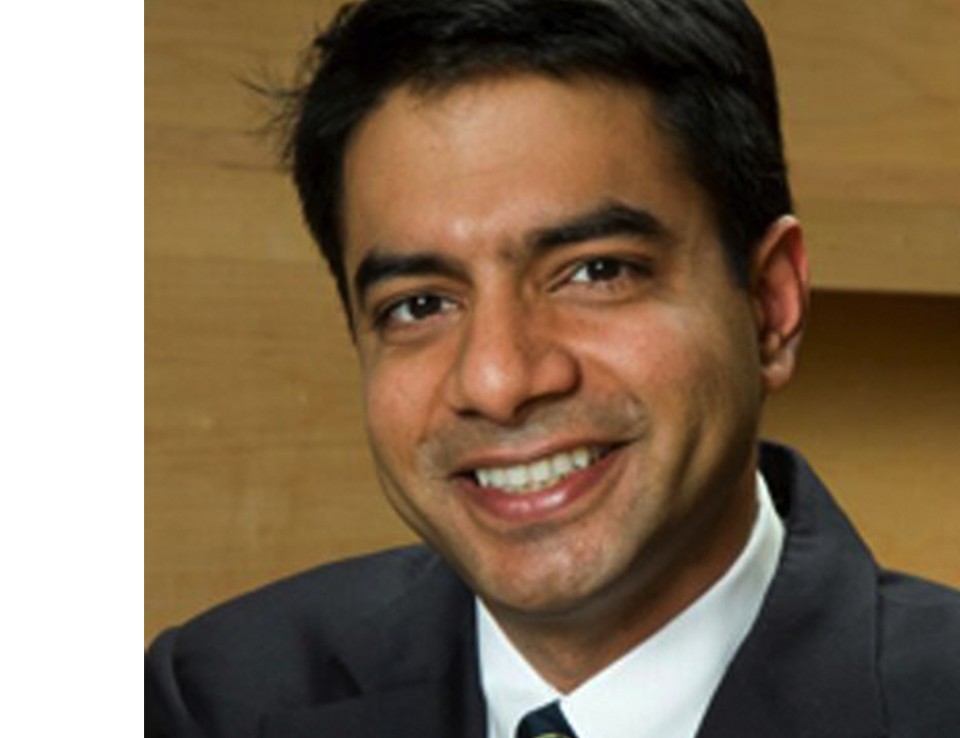
Amitabh Chandra

Science discoveries along with generous incentives for producing new medical innovations have created a raft of high-priced therapies. Their presence strains the ability of payers to provide access, especially when there has been little income growth for a large share of the population, and when tax-revenues are projected to fall substantially in coming decades. These pressures will be exacerbated as the world sees the first-wave of curative therapies for monogenic diseases like cystic fibrosis and Duchenne muscular dystrophy. Amitabh Chandra, professor of social policy and director of health policy research at Harvard’s Kennedy School of Government, will discuss these tradeoffs and offer polices to address them.­­­

Read more about the speaker

Amitabh Chandra is the Malcolm Wiener Professor of Social Policy and Director of Health Policy Research at Harvard’s Kennedy School of Government. He teaches undergraduates in Harvard College, graduate students at the Kennedy School and Harvard Business School, and in Harvard's executive education programs.

Chandra is a member of the Congressional Budget Office's (CBO) Panel of Health Advisors, and is a research associate at the National Bureau of Economic Research (NBER). His research focuses on innovation and cost-growth in healthcare, medical malpractice, and racial disparities in healthcare. His research has been supported by the National Institute of Aging, the National Institute of Child Health and Development, the Robert Wood Johnson Foundation, and has been published in the American Economic Review, the Journal of Political Economy, the New England Journal of Medicine, the Journal of the American Medical Association, and Health Affairs. He is the chair editor of the Review of Economics and Statistics.

Chandra has testified to the United States Senate and the United States Commission on Civil Rights. His research has been featured in the New York Times, the Washington Post, CNN, Newsweek, and on National Public Radio. He has been a consultant to the RAND Corporation, Microsoft Research, the Institute of Medicine and the Blue Cross Blue Shield Foundation of Massachusetts. In 2011, he served as Massachusetts' Special Commissioner on provider price reform.

Chandra is an elected member of the National Academy of Medicine, the first-prize recipient of the Upjohn Institute's Dissertation Award, the Kenneth Arrow Award for best paper in health economics, and the Eugene Garfield Award for the impact of medical research. In 2012, he was awarded American Society of Health Economists (ASHE) medal. The ASHE Medal is awarded biennially to the economist age 40 or under who has made the most significant contributions to the field of health economics.

Professor Chandra’s Athenaeum presentation is the keynote for the 2018 Southern California Conference in Applied Microeconomics (SoCCAM), hosted by the Lowe Institute of Political Economy at CMC.


Read less
Thu, March 22, 2018
Dinner Program
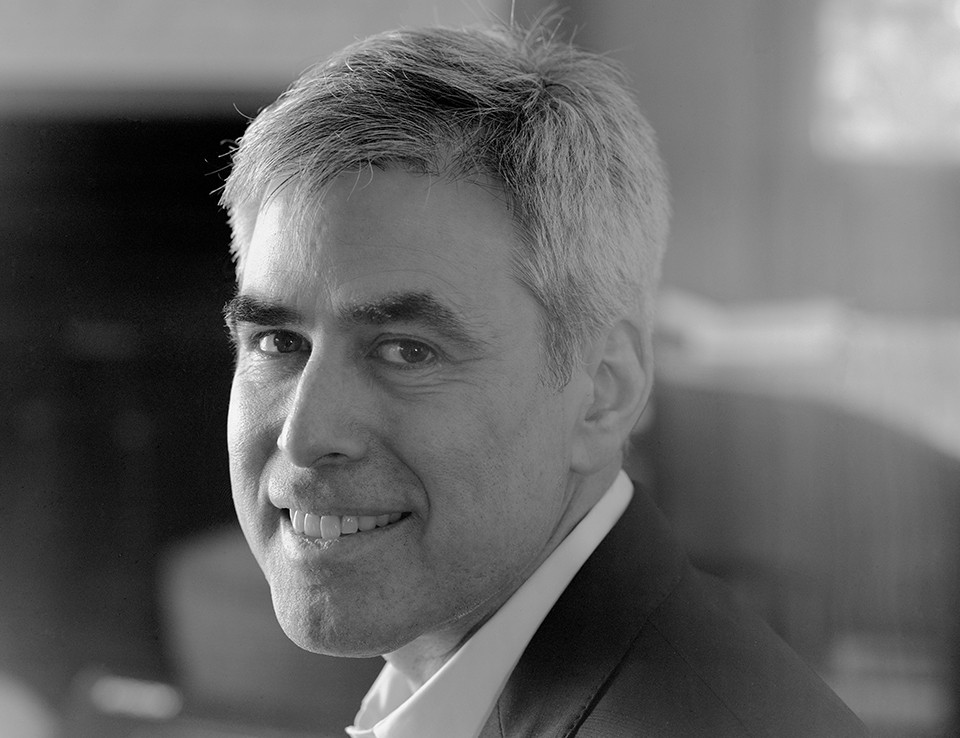
Jonathan Haidt

The human mind is finely tuned for tribal conflict. America’s founders knew this and designed a system that would reduce the damage done by factionalism. We had a great run. But now a variety of social, technological, and intellectual trends are amplifying our tribal tendencies, with alarming implications for the future. Jonathan Haidt, social psychologist at the New York University, will use moral psychology to analyze recent trends in politics, and in university life and recommend reforms that might help adapt our universities and our politics to an age of polarization and perpetual outrage.


Read more about the speaker

Jonathan Haidt is a social psychologist whose research focuses on morality—its emotional foundations, cultural variations, and developmental course. He began his career studying the negative moral emotions, such as disgust, shame, and vengeance, but then moved on to the understudied positive moral emotions, such as admiration, awe, and moral elevation.

Haidt is the Thomas Cooley Professor of Ethical Leadership at New York University’s Stern School of Business. He received his B. A. from Yale University in 1985 and his Ph.D. from the University of Pennsylvania in 1992. After post-doctoral research at the University of Chicago and in Orissa, India, he was a professor at the University of Virginia from 1995 until 2011, when he joined the Stern School of Business.

He is the co-developer of Moral Foundations Theory, and of the research site YourMorals.org. He uses his research to help people understand and respect the moral motives of people with whom they disagree. He won three teaching awards from the University of Virginia and one from the governor of Virginia. His four TED talks—on political psychology, on religion, on the causes of America’s political polarization, and on how America can heal after the bitter 2016 election—have been viewed more than 6 million times. 

Haidt was named a “top 100 global thinker” in 2012 by Foreign Policy magazine, and one of the 65 “World Thinkers of 2013” by Prospect magazine. He is the author of more than 90 academic articles and two books: The Happiness Hypothesis: Finding Modern Truth in Ancient Wisdom, and The New York Times bestseller The Righteous Mind: Why Good People are Divided by Politics and Religion.

Professor Haidt's Athenaeum presentation is co-sponsored by the President's Leadership Fund.

Photo credit: Philip Howard

Food for Thought: Podcast with Jonathan Haidt

Read less
Wed, March 21, 2018
Dinner Program
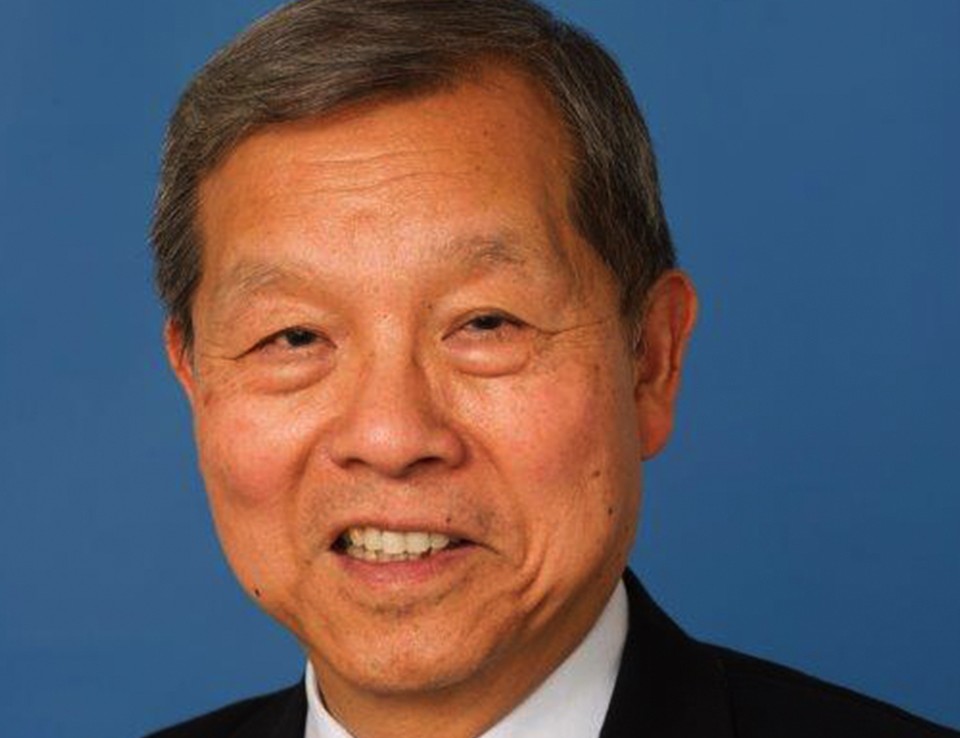
Yukon Huang

Drawing on his book, Cracking the China Conundrum—Why Conventional Economic Wisdom Is Wrong, Yukon Huang, senior fellow at the Carnegie Endowment, will highlight the reform challenges facing China's new leadership. These include options for dealing with China’s debt problems, sustaining rapid growth, curtailing corruption, moderating trade and investment tensions with the West and coping with pressures for political liberalization. Huang will argue that many of the mainstream assumptions for addressing these issues are misguided and often lead to flawed policy prescriptions.

Read more about the speaker

Yukon Huang is currently a senior fellow at the Carnegie Endowment in Washington D.C. He was formerly the World Bank’s Country Director for China.

Huang's research focuses on China’s economy and its regional and global impact. Huang has published widely on development issues in professional journals and the public media. He is a featured commentator for the Financial Times on China and his articles are seen frequently in the Wall Street Journal, Bloomberg, Foreign Affairs, National Interest and Caixin. His recent books include East Asia Visions, Reshaping Economic Geography in East Asia and International Migration, and Development in East Asia and the Pacific. His latest book Cracking the China Conundrum: Why Conventional Economic Is Wisdom Is Wrong was published by Oxford University Press (2017).

Huang earned his Ph.D. in economics from Princeton University and holds a B.A. from Yale University.

Dr. Huang's Athenaeum presentation is co-sponsored by the Keck Center for International and Strategic Studies at CMC.

View Video: YouTube with Yukong Huang

Read less
Tue, March 20, 2018
Dinner Program
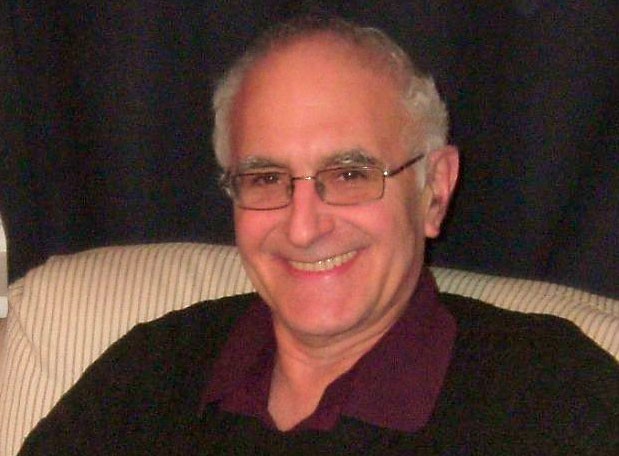
Michael Zuckert

Freedom of speech, especially on campuses, is again a subject of intense discussion and debate. Complicating the discord, according to Michael Zuckert, professor of political science at the University of Notre Dame, is that the accepted doctrines of free speech have undergone many transformations and several varieties of speech doctrine now coexist—and often conflict—each claiming allegiance to a distinctive conception of free speech. Zuckert will address the development of the different speech doctrines by considering political and philosophic reasons as well as the implications associated with the different versions of free speech doctrine.

Read more about the speaker

Michael Zuckert is the Nancy R. Dreux Professor of Political Science at University of Notre Dame. Before that, he was Kenan Professor of Political Science at Carleton College. His main scholarly work has been in the areas of early modern political philosophy, and constitutional law and history; he has written widely in these areas. His books include Natural Rights and the New Republicanism, The Natural Rights Republic, Launching Liberalism, and Leo Strauss and the Problem of Political Philosophy. He is now completing a book titled A Nation so Conceived: Abraham Lincoln and the Problem of Democratic Sovereignty.

Professor Zuckert's Athenaeum presentation is co-sponsored by the Rose Institute for State and Local Government at CMC.

Read less
Wed, March 7, 2018
Dinner Program
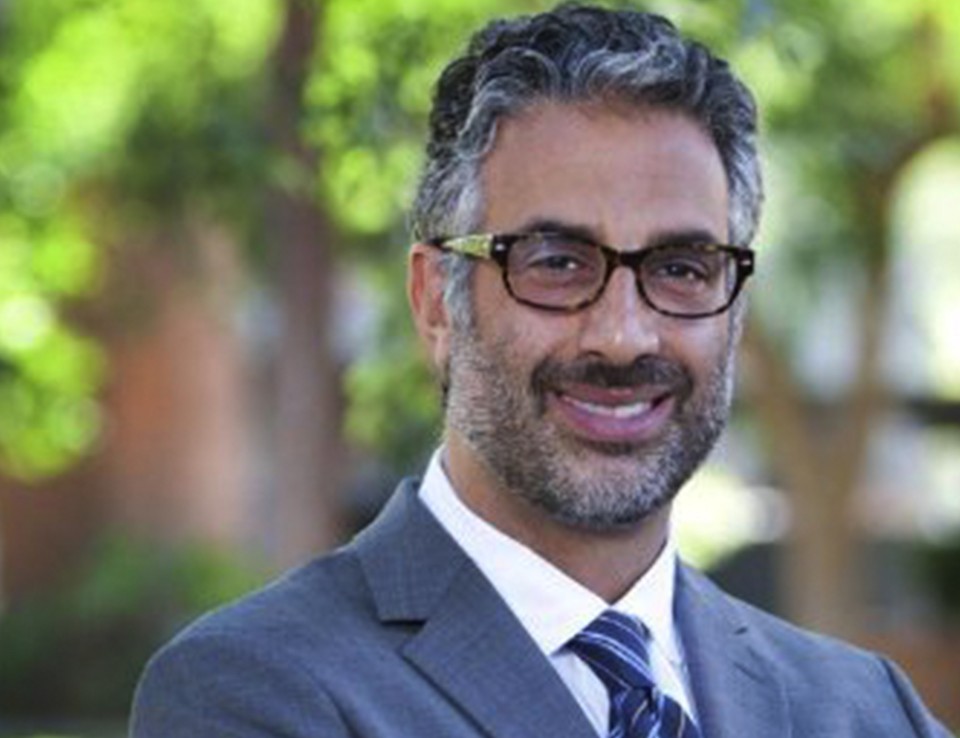
Omar Dajani

The vision of "two states for two peoples" has guided efforts to resolve the Palestinian-Israeli conflict for decades. Omar Dajani, professor of law at McGeorge School of Law and former legal adviser to the Palestinian negotiating team in the peace talks with Israel, will reflect on whether there are any good alternatives and whether it is possible to achieve peace in the Holy Land without separating the peoples who call it home. 

Read more about the speaker

Omar M. Dajani is professor of law and co-director of the Global Center at the University of the Pacific, McGeorge School of Law, in Sacramento, California, where he teaches public international law, constitutional law, contracts, international negotiations, and other courses.

Dajani has written extensively about legal questions raised by the Palestinian-Israeli conflict and about how law functions in the context of efforts to resolve it. Previously, he served as legal adviser to the Palestinian negotiating team in peace talks with Israel (1999-2001) and as a political officer in the Office of the UN Special Coordinator for the Middle East Peace Process (UNSCO). He has continued since that time to work as a consultant on a variety of legal infrastructure development and conflict resolution projects in the Middle East and elsewhere – for institutions including the U.S. Department of State, the Norwegian Peacebuilding Resource Center (NOREF), the Center for Humanitarian Dialogue, and the European Council on Foreign Relations.

Dajani received his J.D. from Yale Law School and his B.A. from Northwestern University.

Mr. Dajani's Athenaeum presentation is co-sponsored by the President's Leadership Fund and the Jewish Studies Sequence at CMC and is part of the "Peace in the Middle East" series. 

Read less

Marian Miner Cook Athenaeum

Claremont McKenna College
385 E. Eighth Street
Claremont, CA 91711

Contact

Phone: (909) 621-8244 
Fax: (909) 621-8579 
Email: