Marian Miner Cook
Athenaeum

A distinctive
feature of social and
cultural life at CMC


Current Semester Schedule

Athenaeum events are posted here as detailed information becomes available.

Wed, April 25, 2018
Lunch Program
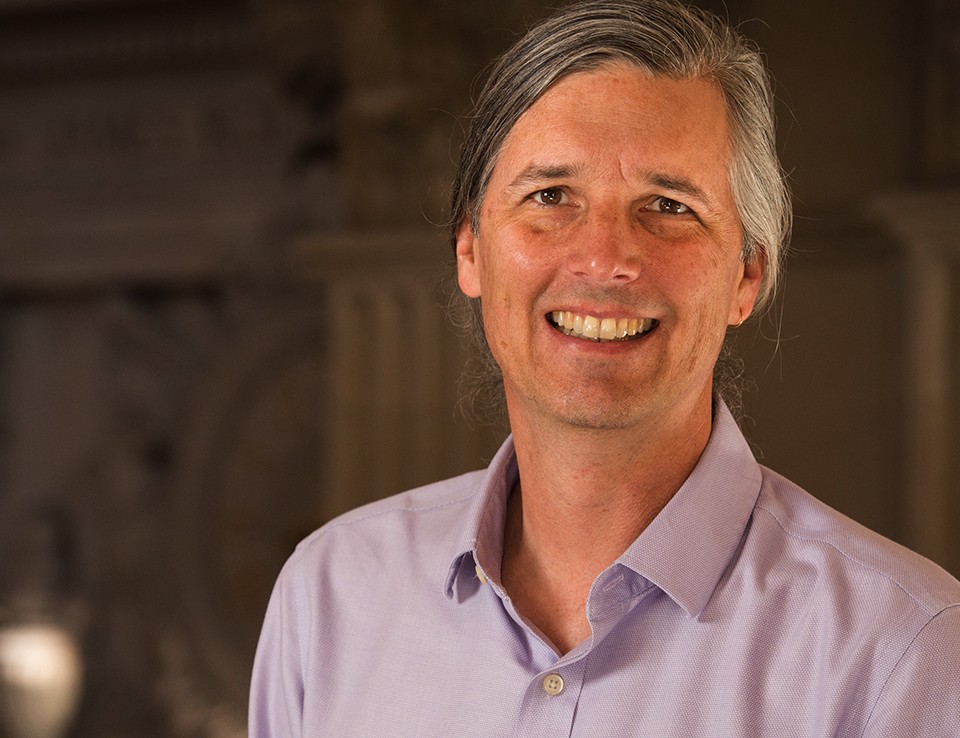
Gregory D. Hess

The American public and government leaders have lost faith in the noble goals of higher education. Gregory D. Hess, president of Wabash College, will share his thoughts on what has caused the decline in confidence, and propose some paths that good liberal arts colleges, in particular, can take to win back the debate.

Read more about the speaker

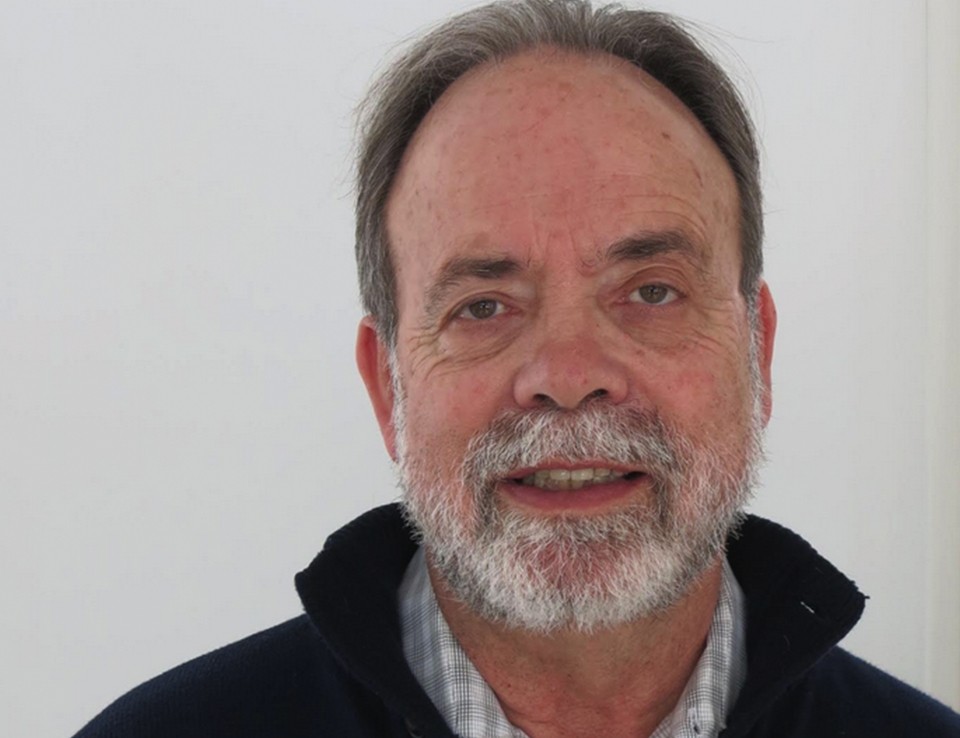
Gregory D. Hess is in his fifth year as the 16th president of Wabash College.

Prior to his tenure at Wabash, Hess was dean of the faculty and vice-president of academic affairs at Claremont McKenna College and the James G. Boswell Professor of Economics.

A native of San Francisco, he earned his bachelor’s degree with high honors from the University of California-Davis, and his master’s degree and Ph.D. in economics from The Johns Hopkins University.


Read less
Thu, April 19, 2018
Lunch Program
Roderic Ai Camp

Mexico has not been able to make the transition from an electoral democracy achieved in 2000 with the presidential election of Vicente Fox to what scholars described as a consolidated democracy in 2018. Mexico faces numerous challenges politically, socially, and economically, and those challenges are exacerbated by citizen attitudes which reveal low levels of legitimacy toward many governmental institutions and declining support for a democratic model. These perceptions will impact the outcome of its forthcoming presidential election in July. A renowned expert of Mexico, Roderic Camp, professor of international relations at CMC, will discuss his extensive research in this area.


Read more about the speaker

Roderic Camp is the Philip McKenna Professor of the Pacific Rim at Claremont Mckenna College. He serves as a member of the Advisory Board, Mexico Institute, Woodrow Wilson Center for International Scholars, Smithsonian Institution, and is an elected member of the Council on Foreign Relations. He is the author thirty books on Mexico, six of which have been designated by Choice as outstanding academic books, and five books on Latin America. His most recent publications include: Mexico, What Everyone Needs to Know (Oxford University Press, 2017); Politics in Mexico, Democratic Consolidation or Decline? (Oxford University Press, 2014); The Oxford Handbook of Mexican Politics Mexico (Oxford University Press, 2012); Mexican Political Biographies, 1935-2009 (University of Texas Press, 2011); The Metamorphosis of Leadership in a Democratic Mexico (Oxford University Press, 2010.

He is the recipient of the Order of the Aztec Eagle from the Mexican government, the highest honor it can bestow on a foreigner, for his contributions to Mexico.

Professor Camp's Athenaeum presentation is a celebration of his 2017 CMC Faculty Scholarship Award.

Read less
Wed, April 18, 2018
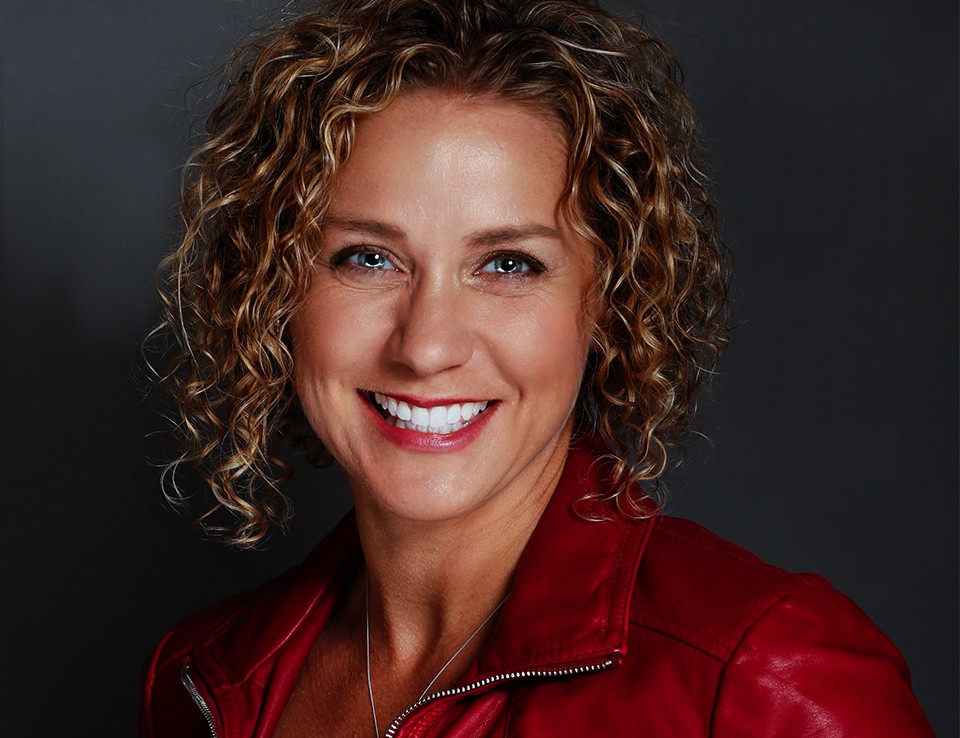
Irfana Majumdar

The politics, the technologies, the languages and genres, the physical and the social sciences, even the humanities of India, have all become marginalized. Increasingly, they are viewed either as quaint and ethnic, or even extinct. Only Indian classical music and dance survives—indeed, it flourishes. It flourishes as a system. Irfana Majumdar, artistic director of the NIRMAN Theatre Studio, Varanasi, India, and classically trained in Hindustani music, will delve into this ever thriving and increasingly globalized coupled tradition. 

Read more about the speaker

Irfana Majumdar is the artistic director of the NIRMAN Theatre Studio in Varanasi, India. She is also a theatre director, performer, and filmmaker. Her main interest is ensemble-based devising and creation, physical and vocal training practices, collaborative creation, and solo performance. She studied directing and performance at the University of Chicago, and has also trained in corporeal mime, Suzuki and Viewpoints, clowning, and many forms of body work. She has trained in classical Hindustani music since childhood. 

Read less
Wed, April 18, 2018
Dinner Program
Barbara Koremenos

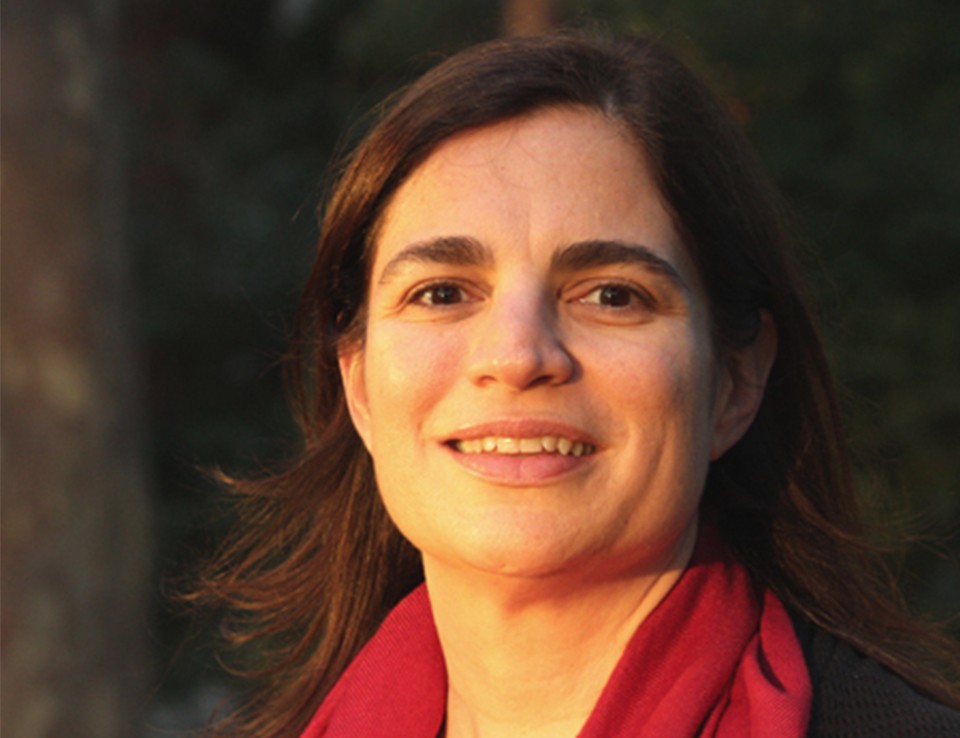
Participating in international law is an act of sovereignty, not a relinquishment of it. Barbara Koremenos, professor of political science at the University of Michigan, will argue that across the areas of economics, security, the environment, and human rights, when we are not at the table, our interests are not served.

Read more about the speaker

Barbara Koremenos, professor of political science at the University of Michigan, received her Ph.D. from the University of Chicago. Koremenos has published in both political science and law journals, including American Political Science Review, International Organization, Journal of Conflict Resolution, Journal of Legal Studies, and Law and Contemporary Problems. Koremenos received a National Science Foundation CAREER Award for her research—the first such winner to study international law.

In her new book, The Continent of International Law: Explaining Agreement Design (Cambridge University Press 2016), Koremenos demonstrates theoretically and empirically how international law’s detailed design provisions help states cooperate despite harsh international political realities. 

Professor Koremenos' Athenaeum presentation is co-sponsored by the Keck Center for International and Strategic Studies at CMC.

Read less
Tue, April 17, 2018
Dinner Program
Mark Valeri

Using influential publications about world religions from 1610 to 1750, Mark Valeri, professor of religion and politics at Washington University in St. Louis, will demonstrate how Protestant attitudes toward non-Christian religions, especially Native American traditions, changed over this same period. These changes, including new depictions of Native Americans, greatly affected understandings of missions and conversion and offered a language of free moral choice in place of earlier paradigms of submission to English power.

Read more about the speaker

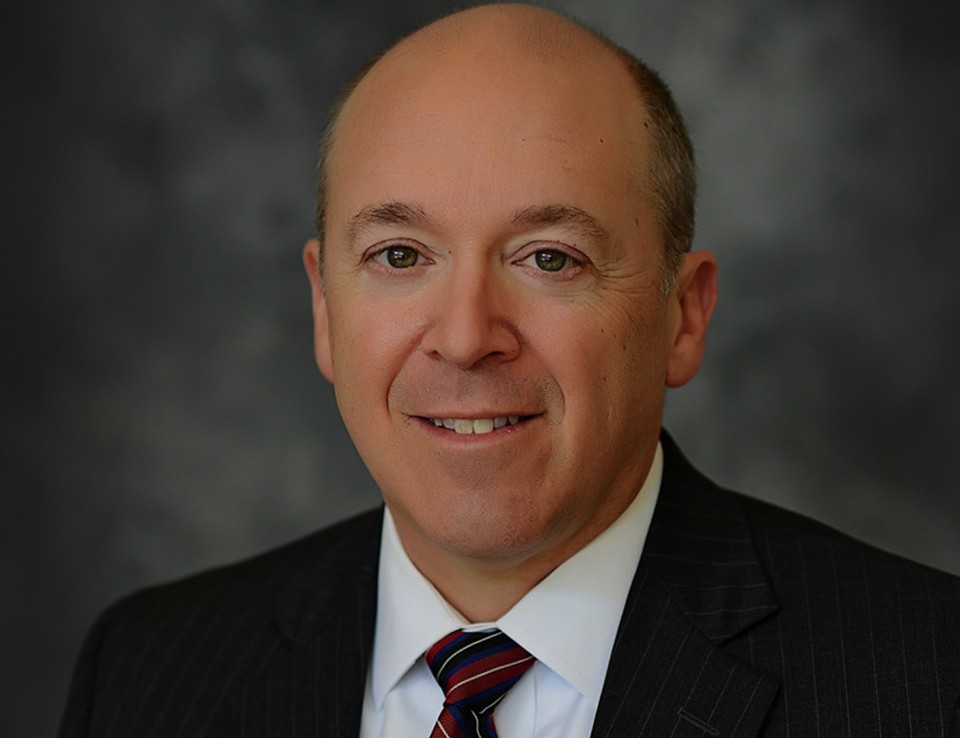
Mark Valer is the Reverend Priscilla Wood Neaves Distinguished Professor of Religion and Politics at Washington University in St. Louis. 

Valeri’s areas of specialization include religion and social thought, especially economics, in America; Reformation theology and the political history of Calvinism; Puritanism; and enlightenment moral philosophy. Valeri came to Washington University from Union Presbyterian Seminary in Richmond, Virginia, where he served as the Ernest Trice Thompson Professor of Church History since 1996. His prior appointment was in the Religious Studies department at Lewis and Clark College.

His latest book, Heavenly Merchandize: How Religion Shaped Commerce in Puritan America, (Princeton University Press, 2010), received the 2011 Philip Schaff Prize from the American Society of Church History. It was also shortlisted for the 2011 American Academy of Religion Award for Excellence in the Historical Study of Religion and selected as one of Choice magazine’s Outstanding Academic Titles for 2010. The book analyzes social transformations in the American economy from the early 1600's, when Puritans argued that personal profit should be subordinate to the common welfare, to the 1740's, when Christians increasingly celebrated commerce as an unqualified good. 

Valeri has received several fellowships, including an Andrew W. Mellon fellowship, a National Endowment for the Humanities fellowship, an American Council of Learned Societies grant, and a Lilly Endowment faculty fellowship. Valeri earned the Ph.D. from Princeton University, his M.Div. from Yale Divinity School, and his B.A., summa cum laude, from Whitworth College.

He is currently working on religious persuasion, evangelicalism, and secularism in the eighteenth century.
 

Read less
Tue, April 17, 2018
Dinner Program
Leah Litman and Eugene Volokh, panelists; George Thomas, moderator

The Supreme Court matters: Think Brown, Miranda, Roe v Wade, Bush v Gore, Citizens United, and Hodges (on marriage equality), and more.

What will it be in 2018? How will the Supreme Court adjudicate voting rights in the Wisconsin gerrymandering case? What body of law will control the decision in the Colorado baker case: religious freedom, marriage equality, freedom of speech, or something else? How do search and seizure protections apply to cell phone data? What will happen, if anything, in the area of executive power and immigration? And what impact will the appointment of Associate Justice Gorsuch have on the mix of these cases? 

With a focus on a few highly anticipated cases, CMC's George Thomas will moderate a discussion with Leah Litman, assistant professor of law at UCI and former clerk to Justice Anthony Kennedy, and Eugene Volokh, professor of law at UCLA and former clerk to Justice Sandra Day O'Connor.  

Read more about the speaker

Leah Litman is assistant professor of law at the University of California, Irvine School of Law where she teaches and writes on constitutional law with a particular focus on federalism and federal post-conviction review. Her publications have appeared or will appear in leading law reviews around the country. She is an active blogger at Take Care, and a guest host on First Mondays, a podcast about the Supreme Court. She also maintains an active pro bono practice and has served as counsel in several recent cases including as counsel to the family of Jesus Hernandez in Hernandez v. Mesa, a case involving a cross-border shooting and Whole Woman’s Health in Whole Woman’s Health v. Hellerstedt, a successful challenge to two Texas restrictions on abortion. She also regularly files amicus briefs in the Supreme Court and the courts of appeal. 

A graduate of the University of Michigan’s Law School, she clerked first for Judge Sutton on the U.S. Court of Appeals for the Sixth Circuit and then Justice Anthony Kennedy on the U.S. Supreme Court. Before joining the faculty at UCI, she was a Climenko Fellow at Harvard Law School and practiced for two years at the law firm Wilmer Cutler Pickering Hale & Dorr.

Eugene Volokh is professor of law at UCLA Law School where he teaches First Amendment law and a First Amendment amicus brief clinic; he has also often taught criminal law, copyright law, tort law, and a seminar on firearms regulation policy. In addition to his academic work, he has also filed briefs in about 75 appellate cases throughout the country, has argued in over 20 federal and state appellate cases, and has filed briefs in the U.S. Supreme Court.

Volokh is the author of the textbooks The First Amendment and Related Statutes (6th ed. 2016) and Academic Legal Writing (5th ed. 2016), as well as over 75 widely published and frequently cited law review articles. He is a member of The American Law Institute; a member of the American Heritage Dictionary Usage Panel; the founder and co-author of The Volokh Conspiracy, a Weblog that was hosted by the Washington Post and is now at Reason Magazine; and an academic affiliate for the Mayer Brown LLP law firm.

A graduate of UCLA Law School, he clerked for Judge Alex Kozinski on the U.S. Court of Appeals for the Ninth Circuit and for Justice Sandra Day O'Connor on the U.S. Supreme Court. 

Funding for this Athenaeum panel is co-sponsored by the President's Leadership Fund.

Read less
Tue, April 17, 2018
Lunch Program
Amy Kind

Can one know what it's like to live a life very different from one's own? This question is particularly pressing in contemporary society as we try to bridge racial, ethnic, and gender divides. In this talk, Amy Kind, Russell K. Pitzer Professor of Philosophy at Claremont McKenna College, will explore whether and how imagination might play a role in providing us with access to experiential perspectives quite different from our own.

Read more about the speaker

Amy Kind is Russell K. Pitzer Professor of Philosophy at Claremont McKenna College, where she has been on the faculty since 1997. Her research interests lie broadly in the philosophy of mind, but most of her work centers on issues relating to imagination and to phenomenal consciousness. 

In addition to authoring the introductory textbook Persons and Personal Identity (Polity, 2015), she has edited The Routledge Handbook of Philosophy of Imagination (Routledge, 2016) and she has co-edited Knowledge Through Imagination (Oxford University Press, 2016). Her edited volume Philosophy of Mind in the 20th and 21th Centuries, volume six of a six volume series on the history of philosophy, will be published by Routledge in 2018. She has previously served as president of the Southern Society for Philosophy and Psychology and as a member of the board of officers of the American Philosophical Association.

Professor Kind's Athenaeum presentation celebrates her installation ceremony as the Russell K. Pitzer Professor of Philosophy at CMC.


View Video: YouTube with Amy Kind

Read less
Mon, April 16, 2018
Dinner Program
Thomas Crow

From the moment of his journey to Rome in 1816, the young outsider Théodore Géricault—the most meteoric talent of Romantic painting—underwent dramatic transformations as an artist, under both the stimulus of ancient remains and the charged intensity of Roman daily life. He was accompanied in this odyssey by his lesser known contemporary Antoine Jean-Baptiste Thomas, whose startlingly vivid and sociologically sophisticated depictions of the city remain almost unknown. On his return journey to Paris in 1817, as Thomas Crow, professor of modern art at NYU will discuss, Géricault witnessed scenes of climate-induced privation and distress that haunted his fraught progress toward the epoch-making Raft of the Medusa.


Read more about the speaker

Thomas Crow is Rosalie Solow Professor of Modern Art at the Institute of Fine Arts, New York University. His first book, Painters and Public Life in Eighteenth-Century Paris (Yale University Press), won a number of awards. His most recent books are The Long March of Pop: Art, Music, and Design 1930–1995 (Yale University Press, 2015) and No Idols: The Missing Theology of Art (University of Washington Press, 2017). Restoration: The Fall of Napoleon in the Course of European Art (Princeton University Press), based on the 2015 Andrew Mellon Lectures at the National Gallery in Washington, will appear this fall.  

Crow earned his doctorate at UCLA, and his first teaching position was at CalArts. Subsequent posts included the University of Michigan, the University of Sussex, Yale, and USC. In the 2000's, he brought the study of California art to the Getty Research Institute as its director. He is a member of the American Academy of Arts and Sciences and holds honorary doctorates from Pomona College and the University of London. Last year, he delivered the 2017 Paul Mellon Lectures at Yale and the London National Gallery: "Searching for the Young Soul Rebels: Style, Music, and Art in London 1956-1969."  

Professor Crow's Athenaeum presentation is the Ricardo J. Quinones Lecture co-sponsored by the Gould Center for Humanistic Studies at CMC.

Read less
Mon, April 16, 2018
Lunch Program
Asli Ü. Bâli

Asli Bâli, professor at UCLA Law School, will examine the ways in which authoritarian consolidation in Turkey has produced new frameworks through which rule-of-law discourse is inverted and deployed to undermine rather than protect academic freedom. She will then examine the ways in which similar frameworks have been developed across a number of other contexts in the Middle East and conclude with some reflections on why incipient forms of populist authoritarianism across the region have come to treat knowledge production as a particularly dangerous threat.

Read more about the speaker

Academic freedom is often thought of as something that depends upon and is protected by law—the rights of freedom of speech, freedom of opinion, and freedom of thought are understood to be core civil and political rights protected under the international human rights regime and the right to science is similarly seen as a fundamental economic, social, and cultural right. The centrality of the marketplace of ideas to the freedoms tied to self-government is a well-worn trope of liberal democratic practice. It is therefore unsurprising—though remarkably under-appreciated—that the rising tide of authoritarianism has been accompanied by global campaigns of repression targeting academics and universities. Nowhere is this more true than in the Middle East, where social scientific research and other forms of inquiry are increasingly heavily regulated and even prohibited by the state.

Bâli is faculty director of the Promise Institute for Human Rights, director of the UCLA Center for Near Eastern Studies, and professor of law at the UCLA School of Law where she teaches in the International and Comparative Law Program. Bâli’s scholarship has appeared in the American Journal of International Law Unbound, International Journal of Constitutional Law, UCLA Law Review, Yale Journal of International Law, Virginia Journal of International Law, as well as numerous edited volumes published by Cambridge University Press and Oxford University Press. Her edited volume,Constitution Writing, Religion and Democracy, was published by Cambridge in 2017. She also currently serves as co-chair of the Advisory Committee for Human Rights Watch-Middle East.

Professor Bâli's Athenaeum presentation is co-sponsored by the Mgrublian Center for Human Rights at CMC.

Read less
Thu, April 12, 2018
Dinner Program
Sarah Leah Whitson

Sarah Leah Whitson, executive director of the Middle East and North Africa Division at Human Rights Watch (HRW), will provide an analysis of current developments in the Middle East and how they tie into US foreign policy. Based on HRW's work in the region, her talk will focus primarily on the conflicts in the region in which the US is currently involved.  

Read more about the speaker

Whitson is the executive director of Human Rights Watch's Middle East and North Africa Division and oversees the work of the division in 19 countries, with staff located in 10 countries. She has led dozens of advocacy and investigative missions throughout the region, focusing on issues of armed conflict, accountability, legal reform, migrant workers, and political rights. She has published widely on human rights issues in the Middle East in international and regional media, including The New York Times, Foreign Policy, The Los Angeles Times, and CNN. She appears regularly on Al-Jazeera, BBC, NPR, and CNN. Before joining Human Rights Watch, Whitson worked in New York for Goldman, Sachs & Co. and Cleary, Gottlieb, Steen & Hamilton. Whitson is a member of the Council on Foreign Relations. She speaks Armenian and Arabic.

Showcasing her current work in the Middle East, Whitson will discuss the region and the role of US foreign policy and will highlight the particular ways in which these modern day conflict situations tie directly to Armenian Genocide remembrance. 

Whitson graduated from the University of California, Berkeley and Harvard Law School. 

Ms. Whitson will deliver the Mgrublian Center for Human Rights’ Fourth Annual Lecture on Armenian Studies.

Read less
Thu, April 12, 2018
Lunch Program
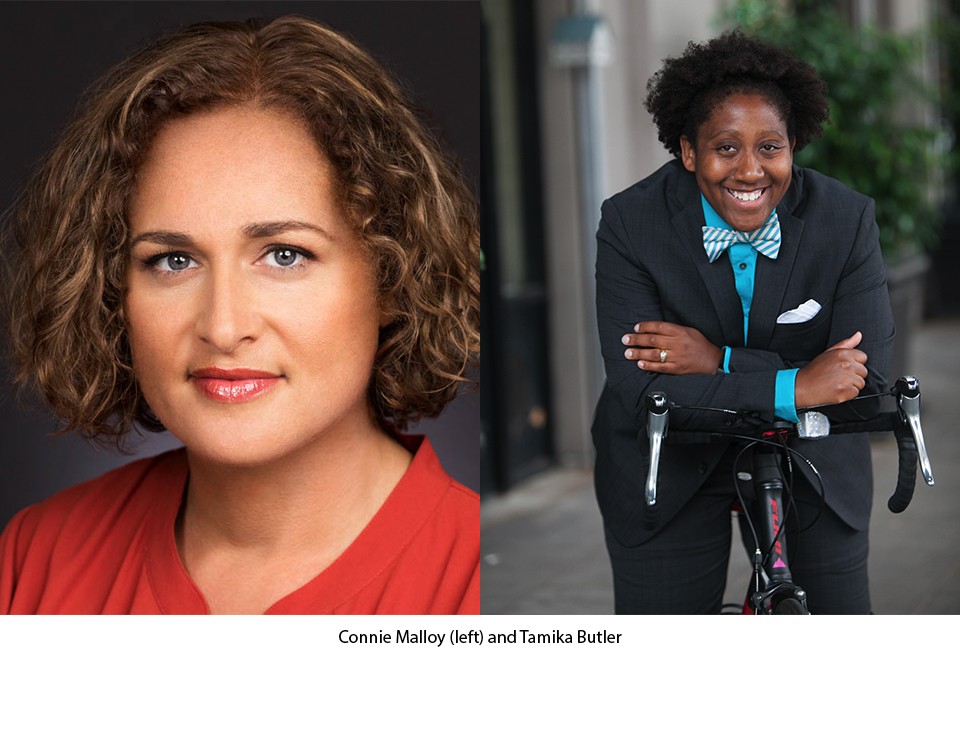
Tamika Butler and Connie Malloy

How do women of color create and sustain their leadership styles? Going beyond what is visible on the surface, what fuels their drive? How do they navigate the worlds they seek to change? How does their unique insight illuminate a clear path for themselves and others? The women behind the veil are the leaders, change makers and agents renovating the landscape of their communities. This third panel in this series will feature Tamika Butler of the Los Angeles Neighborhood Land Trust and Connie Malloy of The James Irvine Foundation, who will discuss their leadership journeys and the external and internal forces that influenced them, including navigating multiple identities, managing others’ expectations, and invisibility.

Read more about the speaker

Tamika L. Butler serves as the executive director of the Los Angeles Neighborhood Land Trust, a non-profit organization that addresses social and racial equity, and wellness, by building parks and gardens in park-poor communities across greater Los Angeles. Butler has a diverse background in law, community organizing and nonprofit leadership. Recently she served as the executive director of the Los Angeles County Bicycle Coalition. Prior to leading LACBC, Butler was the director of social change strategies at Liberty Hill Foundation and worked at Young Invincibles as the California director. She transitioned to policy work after litigating for three years as an employment lawyer at Legal Aid at Work in San Francisco (formerly Legal Aid Society-Employment Law Center). Bulter previously served as the co-chair of the National Center for Lesbian Rights Board of Directors and served on the board of an affordable housing land trust, T.R.U.S.T. South LA. She currently serves on the boards of the New Leaders Council - Los Angeles and Lambda Literary Foundation and is an advisory board member for Legal Aid at Work’s Fair Play for Girls in Sports program. Butler received her J.D. from Stanford Law School and received her B.A. in Psychology and B.S. in Sociology in her hometown of Omaha, Nebraska.

Connie Archbold Malloy serves as portfolio director at The James Irvine Foundation, where she developed the Fair Work initiative to ensure that fairness and opportunity are afforded to all of California’s workers. She leads grant-making in the areas of immigration, voter and civic engagement, elections policies and practices, and social impact bonds. Malloy is currently appointed to the first-ever California Citizens Redistricting Commission for a 10-year term until 2020. As rotating commission chair Malloy has overseen the creation and implementation of fair political districts for the first time in the nation’s history, redesigning California’s citizen representation across the Assembly, Senate, Congressional, and Board of Equalization maps. Her impact in urban planning, public and corporate policy innovation, and grassroots leadership development spans across the United States and Latin America. She is co-chair on the national Funders Committee for Civic Participation. She earned her master’s degree from the University of California, Berkeley, and a bachelor’s degree from La Sierra University in Riverside, CA. A native of San Andres Island, Colombia, she is a founding member of AFAAD: Adopted & Fostered Adults of the African Diaspora.

This conversation is part of the Behind the Veil: Women, Race, and Leadership in the Social Change Nonprofit Sector (“BTV”) speaker series. BTV explores leadership models and perspectives by harnessing the power of first person narrative and storytelling by nonprofit CEOs on the frontlines of social change.

Read less
Wed, April 11, 2018
Dinner Program
Grace Anderson

With record numbers of people from varying demographics and backgrounds finding ways to connect to the outdoors, Grace Anderson, outdoor educator at GirlVentures and National Outdoor Leadership Schools, will discuss how to diminish the onerous systems that promote exclusivity in outdoor spaces.

Read more about the speaker

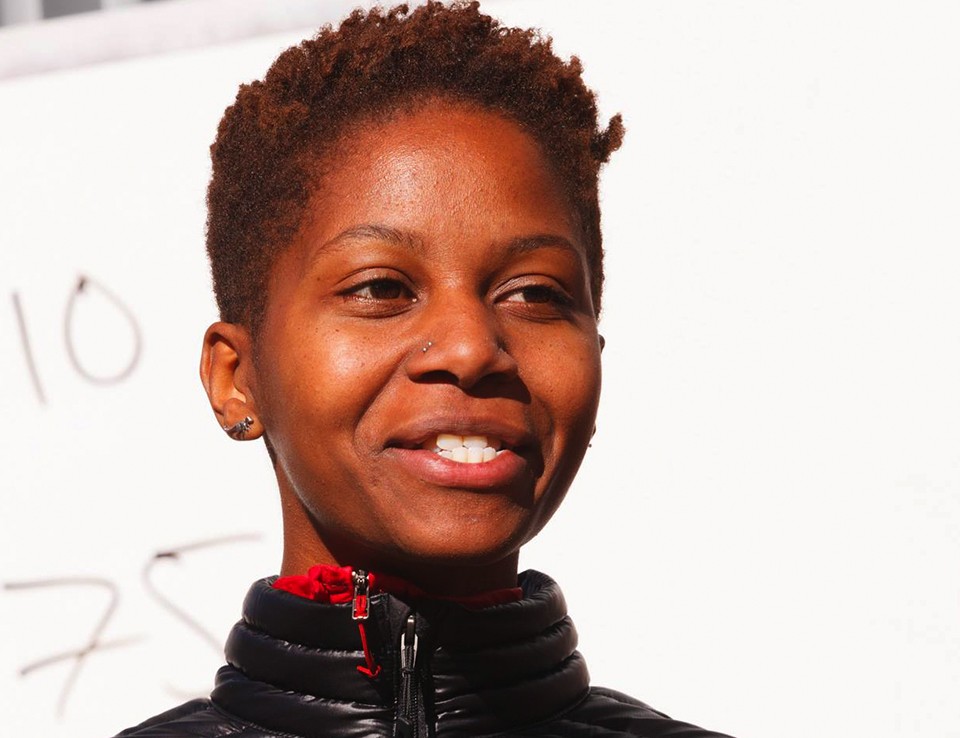
Grace Anderson is an outdoor educator and a freelancer for outdoor non-profits and business. Anderson, who currently calls Lander, Wyoming, home discovered the awe of nature on a college spring break trip with the Student Conservation Association to Joshua Tree National Park. Since then she’s been chasing wide-open spaces from Patagonia to the Yukon Territories to Wyoming.

Previously as the program manager for Sierra Club Outdoors’ Inspiring Connections Outdoors Program, she worked to connect communities with limited access to the outdoors. She currently works mostly in the field for National Outdoor Leadership Schools (NOLS) getting young people of color into the great outdoors and GirlVentures to empower adolescent girls to develop and express their strengths through outdoor adventure programs.

Read less
Wed, April 11, 2018
Lunch Program
Scott Mauvais '90

We are on the cusp of solving society's biggest challenges such as disease, ignorance, and poverty and dramatically improving the well-being of citizens. Yet, it’s possible to imagine a darker future in which automation eliminates millions of jobs, inequality becomes an unbridgeable chasm, and our core democratic institutions are permanently undermined. Scott Mauvais '90 will draw on his experience running Microsoft’s Cities program to discuss the role of tech in society and what we can do today to accelerate the positive aspects of the coming change and mitigate the downside.


Read more about the speaker

Scott Mauvais '90 is the director Microsoft Cities where he works with local leaders to infuse technology into existing real-world systems to make cities better places to live, learn, work, and innovate. 

Mauvais has been at Microsoft for 18 years. Most recently, he was the director of the Microsoft Technology Center, an innovation lab where Microsoft’s top architects work hand-in-hand with Fortune 500 companies to envision, architect, and prove out solutions based on Microsoft’s newest technologies. Prior to that, he worked for Microsoft Consulting Services where he ran early stage projects for customers in Microsoft's Early Adopter Program. He has written extensively for Microsoft Press and Ziff-Davis.

He serves on the national boards of Upwardly Global, City Innovate Foundation, and the Urban Age Institute and co-owns of The WELL, the ground breaking online community founded in 1985. When not working, Scott enjoys skiing in the winter, backpacking in the summer, and seeing—and photographing—as much live music as possible year-round.

A 1990 graduate of CMC, Mauvais majored in economics and government. 

Mr. Mauvais' Athenauem talk is co-sponsored by the Rose Institute of State and Local Government and the Lowe Institute of Political Economy, both at CMC.

Read less
Tue, April 10, 2018
Dinner Program
Eve Brank

Eve Brank, associate professor of psychology and director of the Center on Children, Families, and the Law at the University of Nebraska, Lincoln, will highlight legal and psychological issues important in 4th Amendment search or seizure situations. Using collaborative work (with Jennifer Groscup of Scripps College) funded by the National Science Foundation, Brank will discuss social cognitive effects on people’s willingness to consent to government searches and also discuss new research that examines the role of technology in notions of privacy.

Read more about the speaker

Eve Brank is an associate professor of psychology and courtesy professor of law at the University of Nebraska, Lincoln, where she is the director of the Center on Children, Families, and the Law. She teaches classes on psychology and law, elder law, and the psychology of family law. Her research primarily focuses on the way the law intervenes (and sometimes interferes) in family and personal decision making. In particular, she studies the public support, implementation, and effectiveness of parental responsibility laws within the context of the juvenile justice system and the legal requirements of elder care giving. Brank also studies issues related to decision making in the context of government searches and plea negotiations. 

Brank received her J.D. (2000) and Ph.D (2001) from the University of Nebraska-Lincoln in the Law-Psychology Program. She joined the UNL faculty in 2008 and is part of the law/psychology and social programs. Prior to joining the Nebraska faculty, Brank was on the faculty in the Department of Criminology, Law and Society at the University of Florida. 

Read less
Tue, April 10, 2018
Lunch Program
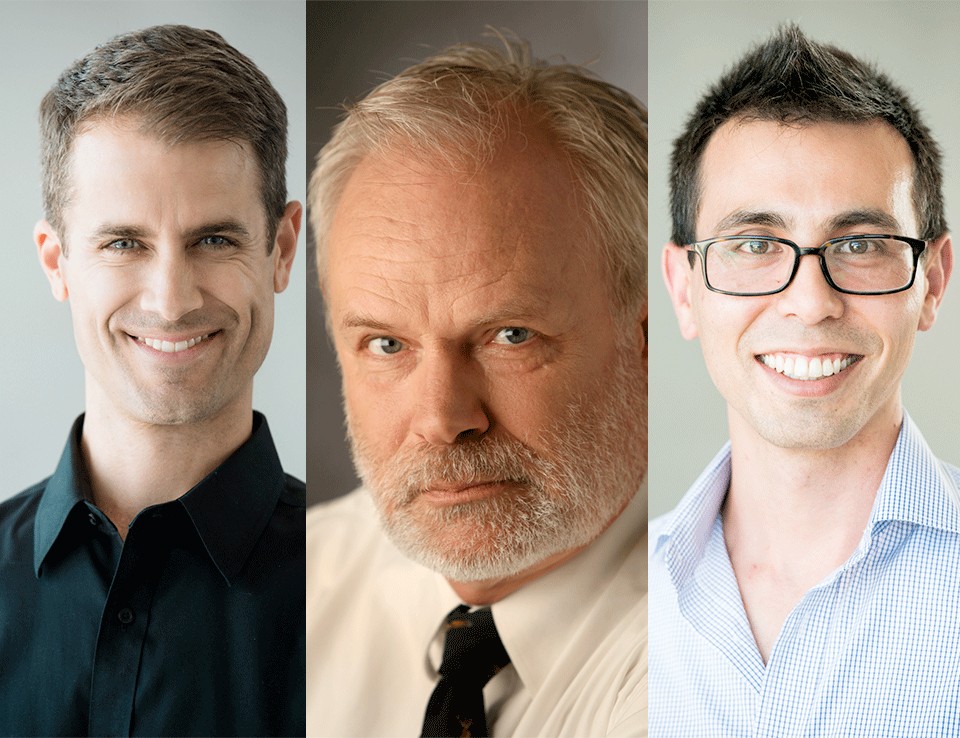
Michael Gelman, Manfred Keil, and Cameron Shelton, panelists; Eric Helland, moderator

The Republican Congress and President Donald Trump have fitfully forged a new direction for American fiscal policy. Republicans made a big bet that lowering corporate taxes will grow the economy and raise tax revenues. President Trump recently signed into law a $1.3 trillion federal omnibus spending bill that abandons Republican fiscal restraint in favor of increased deficit spending. President Trump has also recently begun to use tariffs to reshape U.S. trade policy, spooking markets and unnerving America’s trade partners. What do these actions on the budget, taxes, spending, deficits, and tariffs add up to?


Read more about the speaker

The Republican Congress and President Donald Trump have fitfully forged a new direction for American fiscal policy. Republicans made a big bet that lowering corporate taxes will grow the economy and raise tax revenues. President Trump recently signed into law a $1.3 trillion federal omnibus spending bill that abandons Republican fiscal restraint in favor of increased deficit spending. President Trump has also recently begun to use tariffs to reshape U.S. trade policy, spooking markets and unnerving America’s trade partners. What do these actions on the budget, taxes, spending, deficits, and tariffs add up to?


Join members of CMC’s economics department for a panel discussion of the fiscal policy the Trump administration, moderated by Dreier Roundtable co-director Eric Helland.

Read less

Marian Miner Cook Athenaeum

Claremont McKenna College
385 E. Eighth Street
Claremont, CA 91711

Contact

Phone: (909) 621-8244 
Fax: (909) 621-8579 
Email: