Marian Miner Cook
Athenaeum

A distinctive
feature of social and
cultural life at CMC


Current Semester Schedule

Athenaeum events are posted here as detailed information becomes available.

Wed, October 3, 2018
Dinner Program
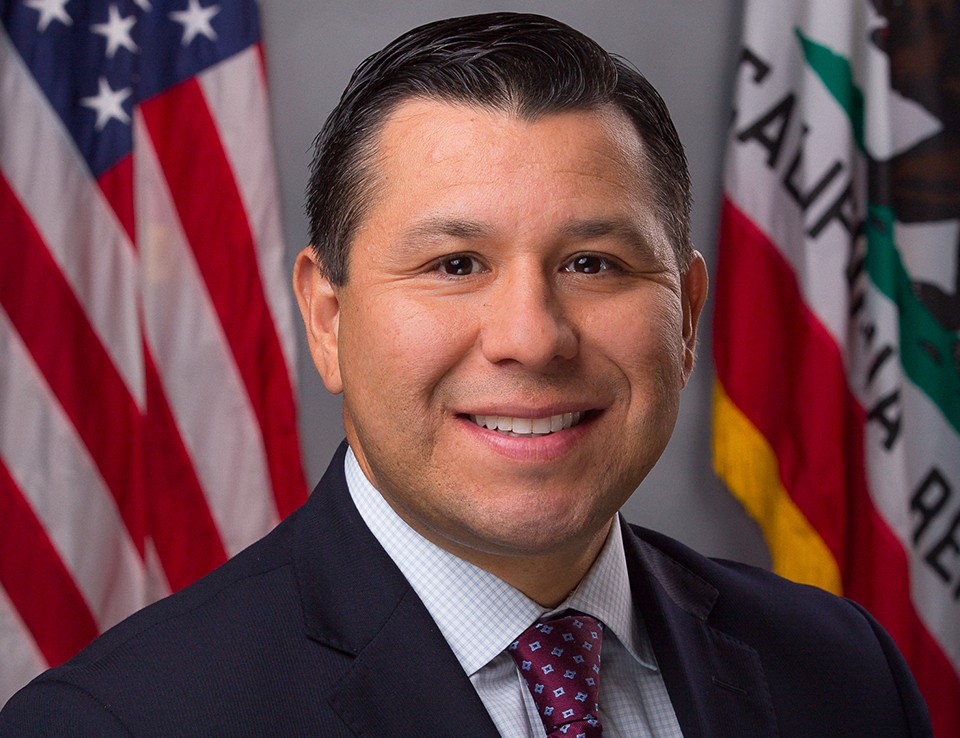
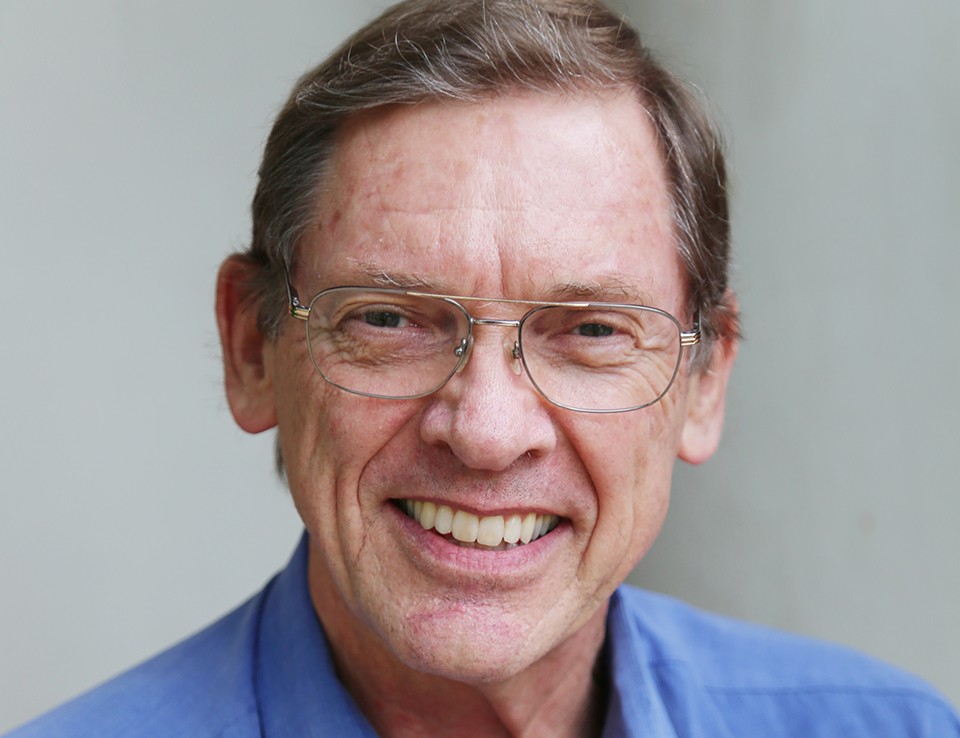
Eduardo Garcia

While California has led the charge to act on climate change with its groundbreaking environmental advocacy, people at the frontlines of environmental impact can still be left behind. Assembly Eduardo Garcia, representing California's 56th Assembly District, will discuss his mission to help shift the perspective from melting ice caps to the human health impacts of climate change on communities across the state. He will argue that bringing people to the forefront, particularly those from underserved areas that have been uniquely burdened by pollution, is critical to ensuring that equity can prevail in the environmental policy solutions California enacts. 

Read more about the speaker

Eduardo Garcia represents California's 56th Assembly District, which includes cities and unincorporated communities in eastern Riverside County and Imperial County. Elected in 2014, Garcia is the current chair of Water, Parks and Wildlife. In this capacity he oversees some of the state’s most pressing issues, such as drought conditions, and the implementation of the multi-billion dollar Proposition 1, Water Bond passed by voters in 2014. He also serves on the Assembly Committees on Appropriations, Communications and Conveyance, Governmental Organization and Utilities and Energy.

In March of 2015 Garcia was appointed to chair the Select Committee on Renewable Energy Development and Restoration of the Salton Sea to examine the opportunities and challenges surrounding development of renewable energy projects and the implementation of environmental restoration plans of the Salton Sea area.

A graduate of local public schools, Garcia attended Coachella Valley High School and the University of California, Riverside. He also completed the "Senior Executives in State and Local Government" Public Administration program from the John F. Kennedy School of Government at Harvard University and earned a master’s Degree from the University of Southern California School of Policy, Planning and Development.

A life-long resident of the Coachella Valley, Garcia was first elected to the Coachella City Council in November 2004. In 2006, at the age of 29, he became Coachella's first elected Mayor. 

Read less
Tue, October 2, 2018
Dinner Program
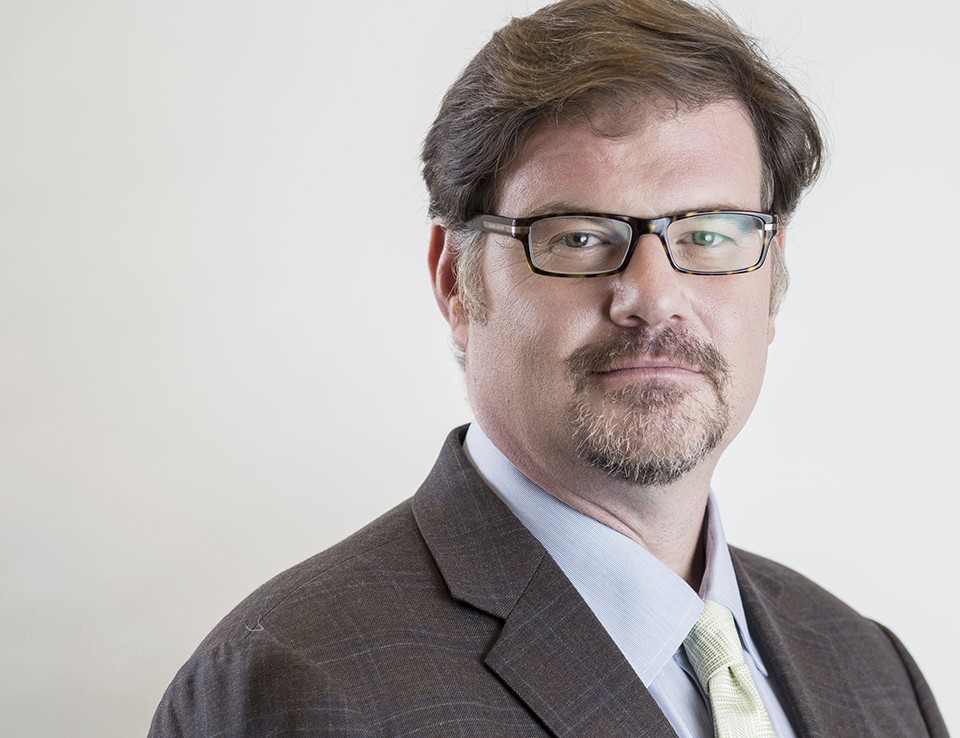
Jeffrey S. Kopstein

Why do pogroms occur in some localities and not in others? Jeffrey S. Kopstein, professor and chair of political science at University of California, Irvine examines a particularly brutal wave of violence that occurred across hundreds of predominantly Polish and Ukrainian communities in the aftermath of the Nazi invasion of the Soviet Union and notes that while some communities erupted in anti-Jewish violence, most others remained quiescent. 

Read more about the speaker

Jeffrey S. Kopstein is professor and chair of political science at University of California, Irvine. His books include The Politics of Economic Decline in East Germany, 1945–1989 and Growing Apart?: America and Europe in the 21st Century. His newest book, co-authored with Jason Wittenberg​,Intimate Violence is a novel social-scientific explanation of ethnic violence and the Holocaust. It locates the roots of violence in efforts to maintain Polish and Ukrainian dominance rather than in anti-Semitic hatred or revenge for communism. In doing so, it cuts through painful debates about relative victim-hood that are driven more by metaphysical beliefs in Jewish culpability than empirical evidence of perpetrators and victims. Along with his co-author, Kopstein concludes that pogroms were difficult to start, and local conditions in most places prevented their outbreak despite general anti-Semitism and the collapse of the central state. In fact, fewer than 10 percent of communities saw pogroms in 1941, and most ordinary gentiles never attacked Jews.Kopstein and Wittenberg shed new light on the sources of mass ethnic violence and the ways in which such gruesome acts might be avoided.

Professor Kopstein's Athenaeum presentation is co-sponsored by the Mgrublian Center for Human Rights at CMC.

Read less
Mon, October 1, 2018
Dinner Program
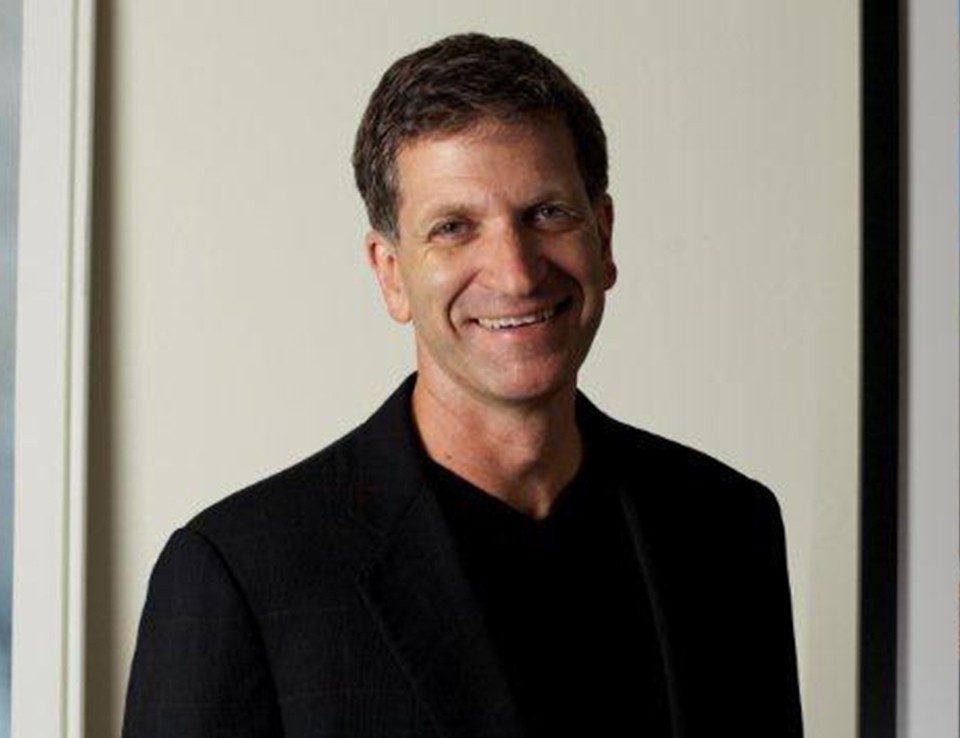
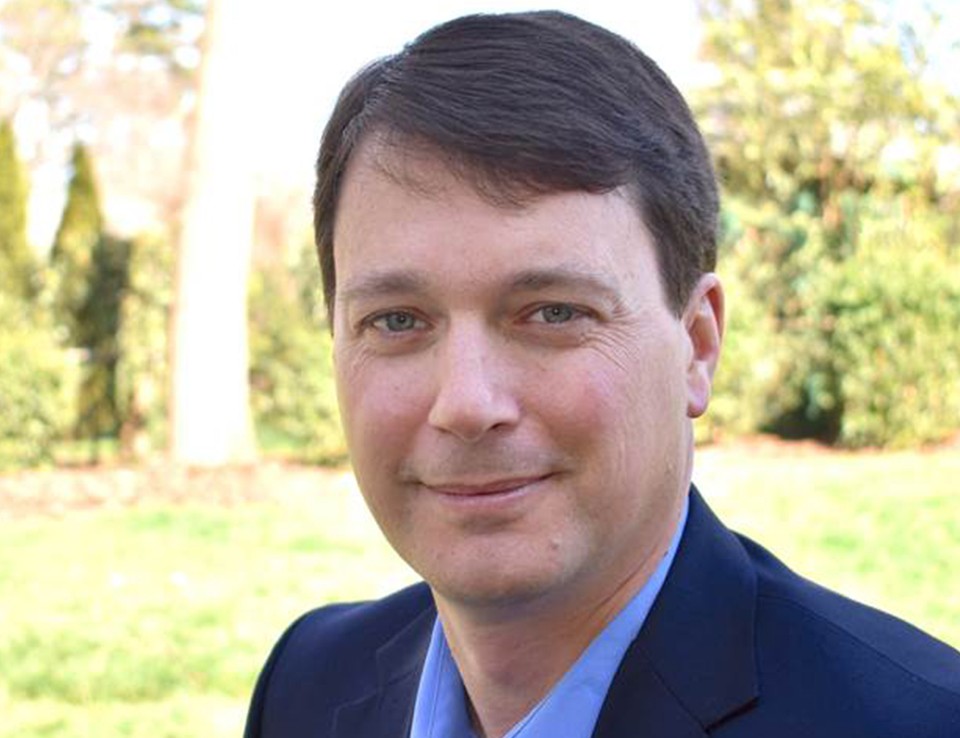
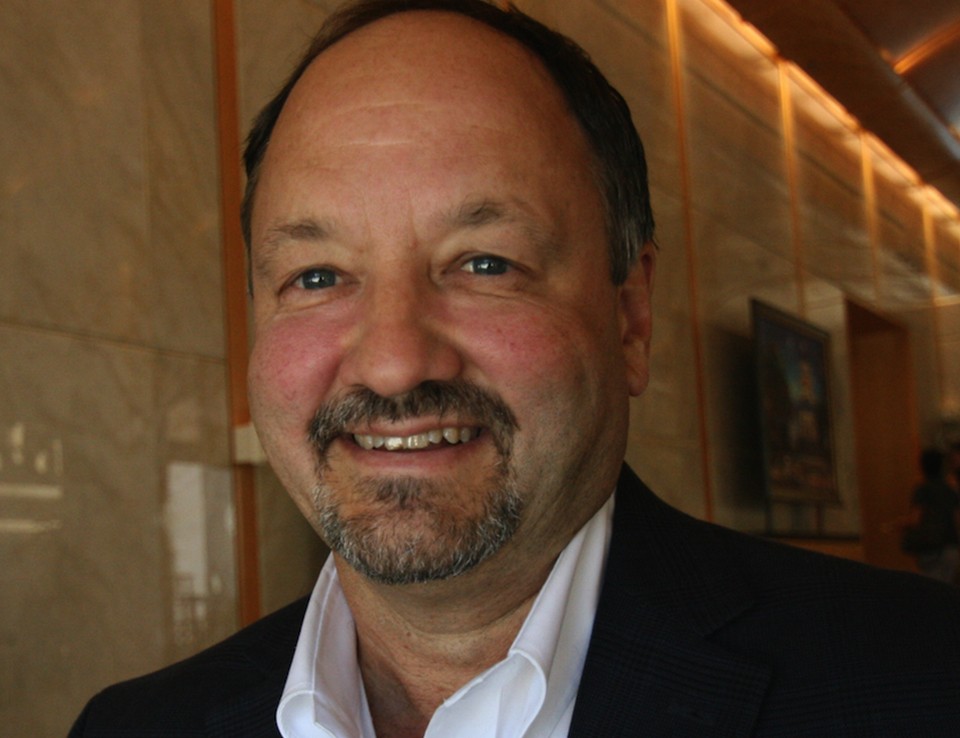
Robert Pearl

The U.S. healthcare system ranks 37 in the world in outcomes, uses technology from the last century and causes hundreds of thousands of deaths each year from medical error. Yet we believe it is the best in the world. Robert Pearl, professor at both Stanford Graduate School of Business and Stanford Medical School, will explain this contradiction and offer a road map for the future, based on four powerful pillars.

Read more about the speaker

Robert Pearl, M.D., is the former CEO of The Permanente Medical Group (1999-2017), the nation’s largest medical group, and former president of The Mid-Atlantic Permanente Medical Group (2009-2017). In these roles he led 10,000 physicians, 38,000 staff and was responsible for the nationally recognized medical care of 5 million Kaiser Permanente members on the west and east coasts. Recently named one of Modern Healthcare’s 50 most influential physician leaders, Pearl is an advocate for the power of integrated, prepaid, technologically advanced and physician-led healthcare delivery.

Pearl serves as a clinical professor of plastic surgery at Stanford University School of Medicine and is on the faculty of the Stanford Graduate School of Business, where he teaches courses on strategy and leadership, and lectures on information technology and health care policy.

In 2017 he authored “Mistreated: Why We think We’re Getting Good Healthcare—And Why We’re Usually Wrong” a Washington Post bestseller that offers a roadmap for transforming American healthcare. All proceeds from the book go to Doctors Without Borders. 

As a regular contributor to Forbes, Pearl covers the business of healthcare and the culture of medicine. He’s the host of a new podcast called “Fixing Healthcare,” which debuted in the iTunes top 100 list of science and medicine programs. He has been featured on CBS This Morning, CNBC, NPR, and in TIME, USA Today and Bloomberg News. He has published more than 100 articles in various medical journals and contributed to numerous books. He is a frequent keynote speaker at healthcare and medical technology conferences. Pearl has addressed the Commonwealth Club, the World Healthcare Congress, and the Institute for Healthcare Improvement’s National Quality Forum.

Board certified in plastic and reconstructive surgery, Pearl received his medical degree from the Yale University School of Medicine, followed by a residency in plastic and reconstructive surgery at Stanford University. From 2012 to 2017, Pearl served as chairman of the Council of Accountable Physician Practices (CAPP), which includes the nation’s largest and best multispecialty medical groups, and participated in the Bipartisan Congressional Task Force on Delivery System Reform and Health IT in Washington, D.C.

Food for Thought: Podcast with Robert Pearl P'05
 

Read less
Thu, September 27, 2018
Dinner Program
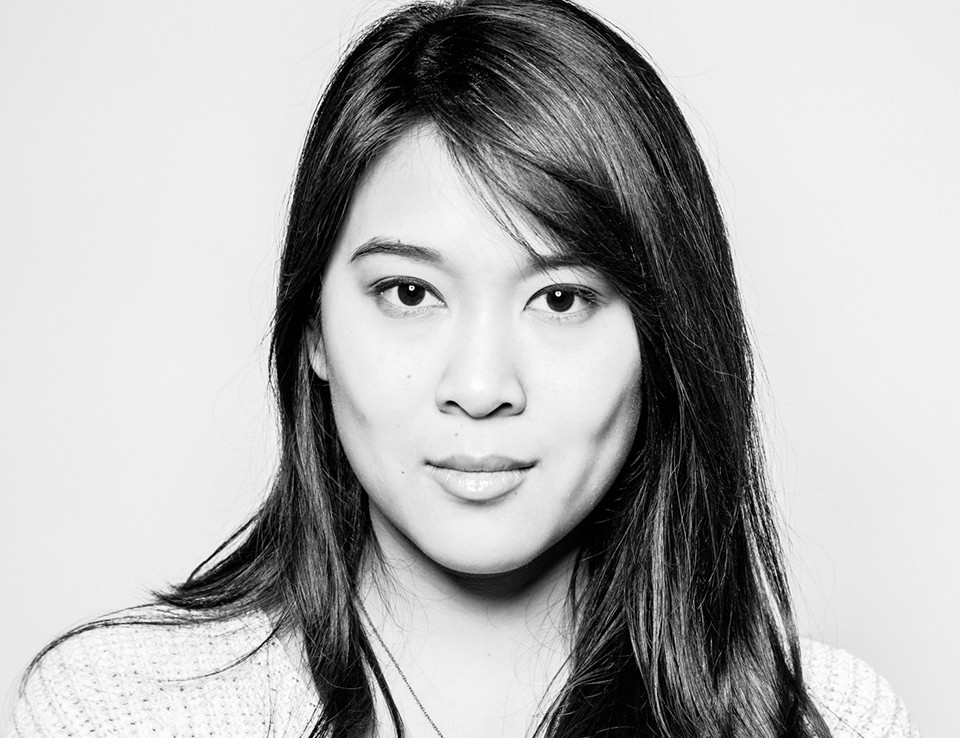
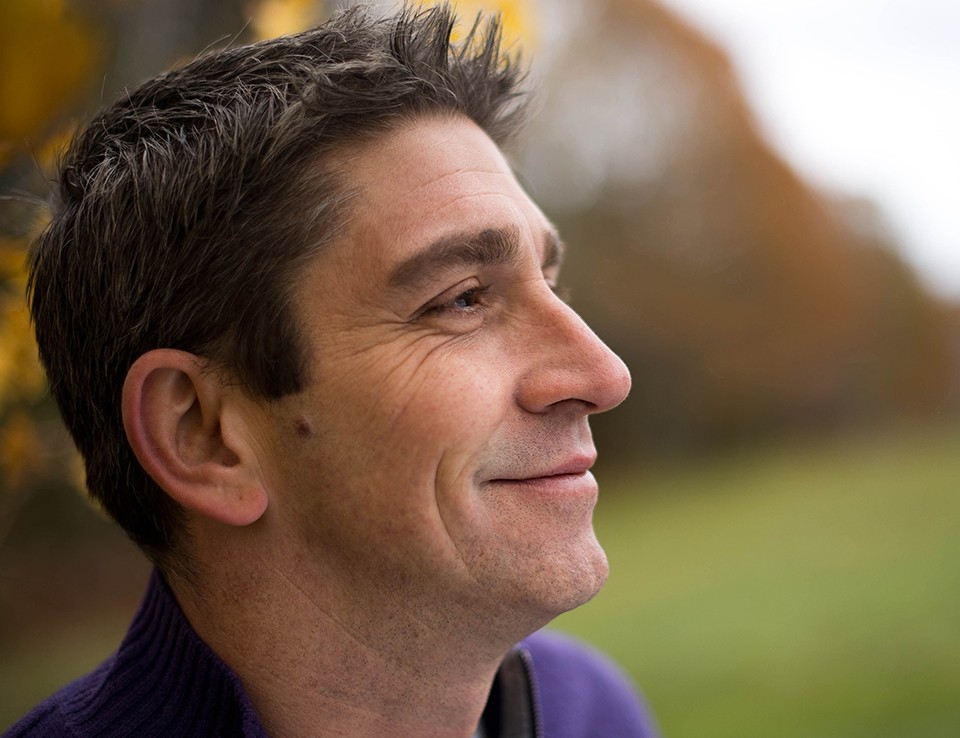
Tina Nguyen '11

In an era of dwindling resources and increasing hostility towards the press, how does one cover a president and administration obsessed with alternative facts and dramatic twists, a populist base that will follow no matter what, and an internet easily manipulated by foreign influences and fake news memes? Tina Nguyen ’11, who follows Trump for Vanity Fair's Hive, will reflect on how the 2016 election fundamentally shook up journalism, the challenges the media faces in covering politics in an era of extreme polarization and uncertain truth, and her own personal, quasi-bizarre experiences in the trenches of reporting on fake news.

Read more about the speaker

Tina Nguyen ‘11 is a staff reporter at The Hive, Vanity Fair's news vertical covering the power players of Silicon Valley, Washington, and Wall Street. She covers American politics, the conservative movement, and the media.

Prior to Vanity Fair, Nguyen worked at Mediaite, The Daily Caller, and The Braiser, where she was nominated for a James Beard Award. Nguyen graduated from Claremont McKenna College in 2011, with an honors degree in government. While at CMC, she was the news editor for the Claremont Independent, a fellow at the Salvatori Center, and occasional cartoonist/columnist for The Forum.

Ms. Nguyen's Athenaeum presentation is co-sponsored by the Center for Writing and Public Discourse at CMC.

Food for Thought: Podcast with Tina Nguyen '11

Read less
Thu, September 27, 2018
Dinner Program
Nita Kumar and Aseema Sinha, moderators

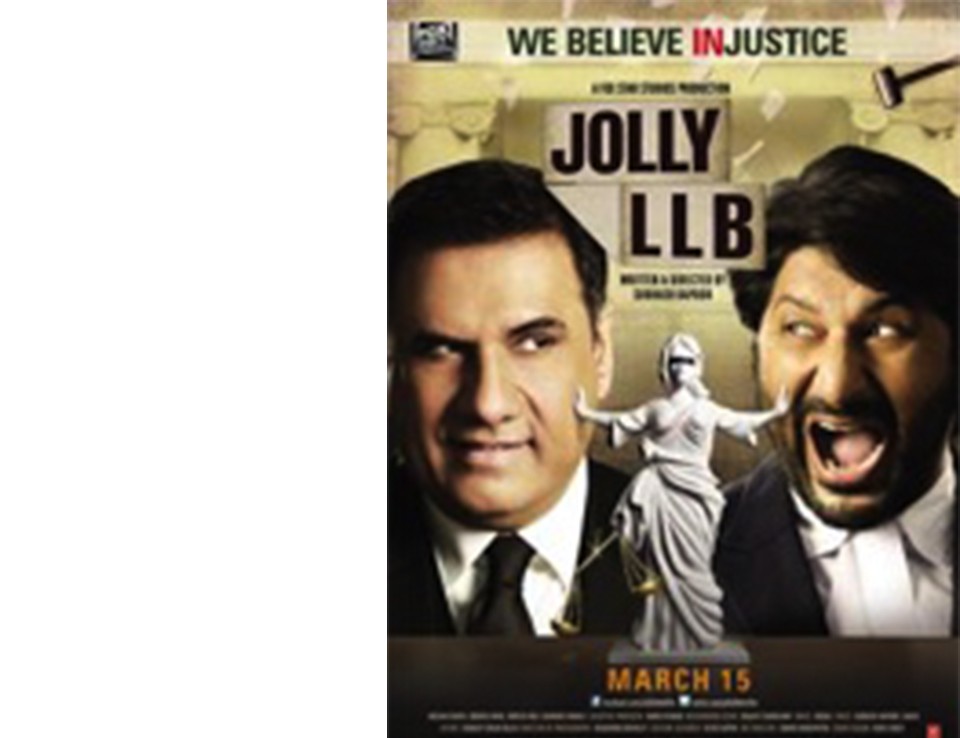
While Indian (Bollywood) movies typically show courts as unreal and dramatic, Jolly L.L.B. (2013), directed by Subhash Kapoor, is a satirical rendition of the reality of courtroom procedure in India, as well as on big money, corruption, and gritty ambition. Acclaimed by reviewers and audiences alike as well-acted and entertaining, the movie delivers a sharp sentence on Indian law. Professors Aseema Sinha and Nita Kumar, both at CMC, will lead a discussion on justice, corruption, and Bollywood.

Read more about the speaker

Jolly L.L.B. tells the story of a small-town lawyer, Jolly, who files a public interest litigation against a rich young man who seems to have gotten away with murder. Defending the young man is Tejinder Rajpal, the most prominent advocate of the city, able to reduce Jolly to dust in the court. Yet, Jolly works hard, gathers evidence, and—learns to argue. In charge of the proceedings is Justice Tripathi, a curious, familiar mix of self-aggrandizement, idiosyncrasy, and—commitment to justice.

For those new to Bollywood, Jolly L.L.B. offers an introduction to the genre without the stereotypical slapstick, violence, and melodrama. 

For those familiar with the genre, Jolly L.L.B. offers solid direction, casting, script, comedy, and a serious plot line.

Movie screening will begin promptly at 5:30 pm.

(Parents Dining Room)

Read less
Wed, September 26, 2018
Dinner Program
Jerrold E. Hogle

Jerrold E. Hogle, professor emeritus and University Distinguished Professor of English at the University of Arizona, is an expert in English Romantic literature, literary and cultural theory, and the many different forms of the Gothic. His talk will show how many deep-seated cultural quandaries about the coming of the modern world—anxieties very much still with us—are symbolized in Mary Shelley's 1818 novel, particularly in the Creature who has be come its most lasting image.

Read more about the speaker

Jerrold E. Hogle, won the Howard Mumford Jones Thesis Prize at Harvard University from where he received his Ph.D. After teaching in the English department at the University of Arizona for 44 years, he is now professor emeritus and University Distinguished Professor at Arizona. The winner of Guggenheim, Mellon, and other fellowships for research including the Distinguished Scholar Award of the Keats—Shelley Association of America, he has published extensively on English Romantic literature, literary and cultural theory, and the many different forms of the Gothic.

His books include, among others, Shelley’s Process from the Oxford University Press, The Undergrounds of The Phantom of the Opera from Palgrave Macmillan, and The Cambridge Companion to Gothic Fiction from the Cambridge University Press, which has recently been succeeded by a follow-up volume, The Cambridge Companion to the Modern Gothic. A dedicated public servant to the University of Arizona, he has served in many diverse administrative roles at the university while also earning multiple teaching awards for his classroom work, advising, and mentoring of students, both undergraduate and graduate.

Currently, Hogle is a Reader at the Huntington Library in Pasadena, and just completed co-chairing a conference on the 200th anniversary of Mary Shelley's "Frankenstein."

Professor Hogle’s Athenaeum talk is co-sponsored by the Gould Center for Humanistic Studies at CMC.

View Video: YouTube with Jerrold Hogle

Read less
Tue, September 25, 2018
Dinner Program
Jonah Goldberg

As contradictory as it may sound, Jonah Goldberg of the American Enterprise Institute believes that the conservative movement is constantly changing. Maintaining that the Bush years changed conservatism in profound ways, mostly for the worse, he will examine how Trump's presidency will further these changes. What does the future of conservatism look like? And does conservatism’s failure necessarily mean liberalism’s success?

Read more about the speaker

Jonah Goldberg is a fellow and Asness Chair in Applied Liberty at the American Enterprise Institute, where he writes about political and cultural issues. He is concurrently a senior editor at National Review. A bestselling author, he writes a nationally syndicated column that appears regularly in more than 100 newspapers across the United States. He is also a weekly columnist for the Los Angeles Times, a member of the board of contributors to USA Today, a Fox News contributor, and a regular member of the Fox News All-Stars panel on “Special Report with Bret Baier.” He is the author of two New York Times bestsellers, "The Tyranny of Clichés” (Sentinel HC, 2012) and “Liberal Fascism” (Doubleday, 2008).

The founding editor of National Review Online, Goldberg is the recipient of many awards. He was named by The Atlantic magazine as one of the top 50 political commentators in America. In 2011, he was chosen as the Robert J. Novak Journalist of the Year at the Conservative Political Action Conference (CPAC).


Food for Thought: Podcast with Jonah Goldberg

Read less
Tue, September 25, 2018
Lunch Program
Tony Mecia

Five years after Colorado legalized recreational marijuana—with many other states taking its lead—data shows mixed effects in the state. While legalization has created jobs, spurred tourism, and raised millions in new tax revenue, as Tony Mecia of The Weekly Standard will discuss, data also shows that legal weed has also attracted vagrants and cartels from out-of-state, contributed to spikes in crime, and caused doctors to worry about the effect on public health.

Read more about the speaker

Tony Mecia is a senior writer at The Weekly Standard. Previously, he spent more than a decade as a business reporter and editor at the Charlotte Observer in North Carolina. He is a graduate of Duke University and has a master’s in journalism from the University of North Carolina at Chapel Hill.

Mr. Mecia will be the first speaker in a series on the public policy implications of marijuana legalization sponsored by the Rose Institute of State and Local Government.

View Video: YouTube with Tony Mecia

Read less
Mon, September 24, 2018
Dinner Program
Richard Blanco

Whether speaking as the Cuban Blanco or the American Richard, the homebody or the world traveler, the shy boy or the openly gay man, the civil engineer or the civic-minded poet, presidential inaugural poet Richard Blanco’s writings possess a story-rich quality that illuminates the human spirit. His work asks those universal questions we all ask ourselves on our own journeys: Where am I from? Where do I belong? Who am I in this world?

Read more about the speaker

Selected by President Obama as the fifth inaugural poet in U.S. history, Richard Blanco is the youngest and the first Latino, immigrant, and gay person to serve in such a role. His inaugural poem “One Today” was later published as a children’s book.

Born in Madrid to Cuban exile parents and raised in Miami, the negotiation of cultural identity characterizes his four collections of poetry: How to Love a Country; City of a Hundred Fires, which received the Agnes Starrett Poetry Prize from the University of Pittsburgh Press; Directions to The Beach of the Dead, recipient of the Beyond Margins Award from the PEN American Center; and Looking for The Gulf Motel, recipient of the Paterson Poetry Prize and the Thom Gunn Award. He has also authored the memoirs For All of Us, One Today: An Inaugural Poet’s Journey and The Prince of Los Cocuyos: A Miami Childhood, winner of the Lambda Literary Prize.

His latest book, Boundaries, a collaboration with photographer Jacob Hessler, challenges the physical and psychological dividing lines that shadow the United States. Blanco has written occasional poems for the re-opening of the U.S. Embassy in Cuba, Freedom to Marry, the Tech Awards of Silicon Valley, and the Boston Strong benefit concert following the Boston Marathon bombings. He is a Woodrow Wilson Fellow and has received numerous honorary doctorates. He has taught at Georgetown University, American University, and Wesleyan University. He serves as the first Education Ambassador for The Academy of American Poets.

Mr. Blanco’s Athenaeum presentation is co-sponsored by the Center for Writing and Public Discourse, the Chicano-Latino Student Affairs, and the CARE Center.

Food for Thought : Podcast with Richard Blanco

Read less
Thu, September 20, 2018
Dinner Program
Paul Bloom

Empathy, generally viewed as a universally desired trait, is actually one of the leading motivators of inequality and immorality in society maintains Yale University professor of psychology Paul Bloom. A capricious and irrational emotion that appeals to narrow human prejudices, Bloom will argue that we are at our best when we are smart enough not to rely on empathy, but to draw instead upon a more distanced compassion.

Read more about the speaker

Paul Bloom is the Brooks and Suzanne Ragen Professor of Psychology at Yale University. His research explores how children and adults understand the physical and social world, with special focus on morality, religion, fiction, and art. He has won numerous awards for his research and is considered one of Yale’s most-renowned teachers, known for both his award-winning lectures to large audiences — as in his 500-person course "Introduction to Psychology" — and his more intimate seminars, such as his first-year class on the seven deadly sins.

Bloom is past-president of the Society for Philosophy and Psychology, and co-editor of Behavioral and Brain Sciences, one of the major journals in the field. He has written for scientific journals such as Nature and Science, and for popular outlets such as The New York Times, The Guardian, The New Yorker, and The Atlantic Monthly. He is the author or editor of seven books, including his most recent book, Against Empathy: The Case for Rational Compassion, in which he argues that empathy is a bad thing—that it makes the world worse. While we've been taught that putting yourself in another's shoes cultivates compassion, it actually blinds you to the long-term consequences of your actions.

Professor Bloom’s Athenaeum lecture is co-sponsored by the Gould Center for Humanistic Studies at CMC.

Photo Credit: Sigrid Estrada

Read less
Wed, September 19, 2018
Dinner Program
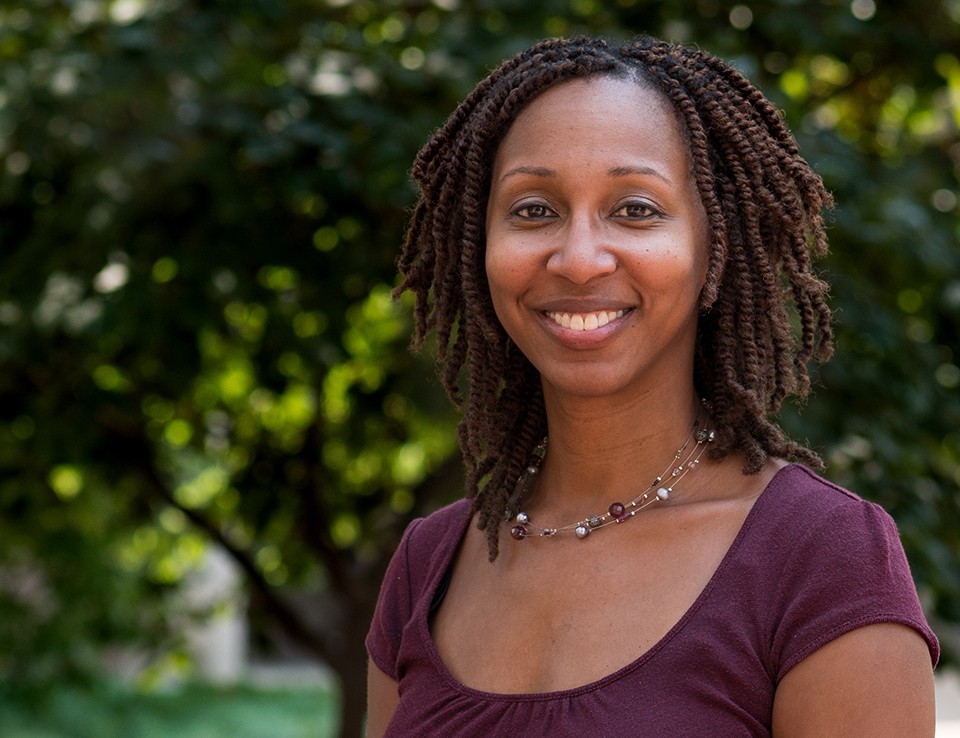
Adia Harvey Wingfield

With technological advances, declining support for labor, and increasing income inequality, work has changed dramatically over the past half century. Adia Harvey Wingfield, professor of sociology at Washington University in St. Louis, will examine specifically how blacks in professional jobs navigate work in this new economy. 

Read more about the speaker

Adia Harvey Wingfield is professor of sociology at Washington University in St. Louis. Her research examines racial and gender inequality in professional occupations. A graduate of Spelman College, Wingfield earned both her masters and doctorate in sociology from Johns Hopkins University.

Wingfield has lectured internationally on her research and she has been published in numerous peer-reviewed journals including Social Problems, Ethnic and Racial Studies, Gender & Society, and American Behavioral Scientist. She is currently serving as president of Sociologists for Women in Society, a national organization that encourages feminist sociology in research, teaching, and activism. Wingfield is a regular contributor to Inside Higher Ed, The Atlantic, and other popular outlets. Her most recent book is the award-winning No More Invisible Man: Race and Gender in Men's Work. She is the recipient of the 2018 Public Understanding of Sociology award from the American Sociological Association. 

Professor Wingfield’s Athenaeum presentation is co-sponsored by the Berger Institute for Work and Family.

View Video: YouTube with Adia Wingfield

Read less
Tue, September 18, 2018
Dinner Program
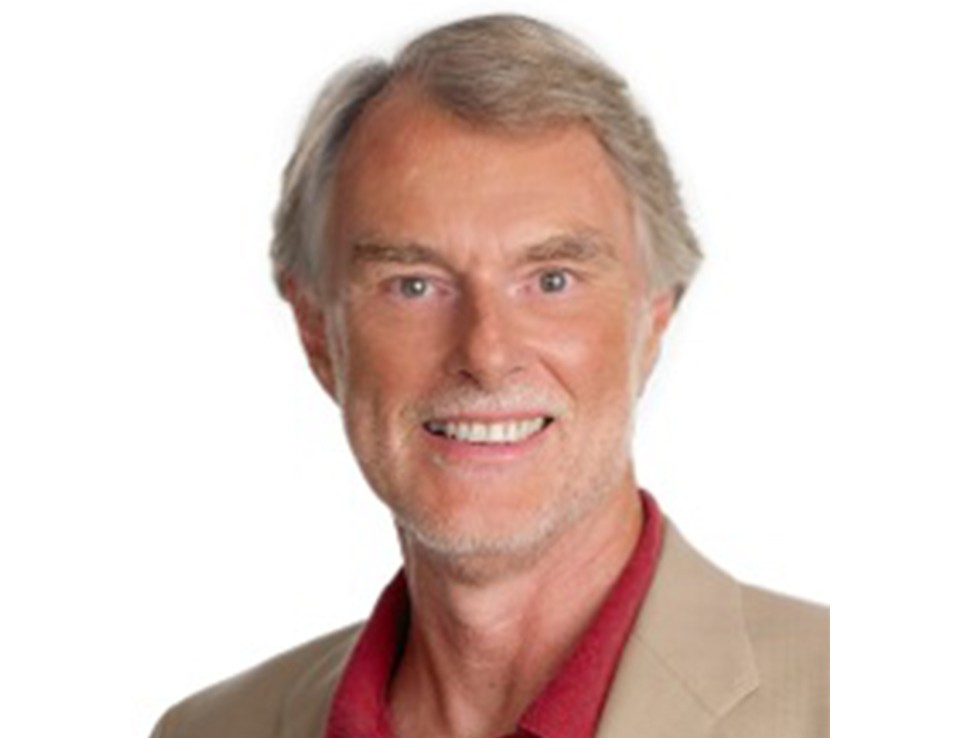
Gary Smith

Arguably the computer revolution may be even more life-changing than the industrial revolution, and indeed many fear that super-intelligent machines will protect themselves by enslaving or even eliminating humans. Gary Smith, professor of economics at Pomona College argues that the real danger however is not that computers are smarter than us, but that we think computers are smarter than us and therefore trust computers to make important decisions for us.  

Read more about the speaker

Gary Smith is the Fletcher Jones Professor of Economics at Pomona College. He received his Ph.D. in Economics from Yale University and was an assistant professor there for seven years. He has won two teaching awards and written (or co-authored) more than eighty academic papers and thirteen books. His book Standard Deviation: Flawed Assumptions, Tortured Data, and Other Ways to Lie with Statistics was a London Times Book of the Week and debunks a variety of dubious and misleading statistical practices. His most recent book, The AI Delusion, extols the value of human judgment in a world where big decisions are more and more frequently left to computers. His statistical and financial research has been featured in various media, including the New York Times, Wall Street Journal, CNBC, WYNC, WBBR Bloomberg Radio, Motley Fool, Scientific American, Forbes, MarketWatch, MoneyCentral.msn, NewsWeek and BusinessWeek.

Smith’s research interests lie in financial markets, especially the stock market, and the application of statistical analysis to finance and sports.

View Video: YouTube with Gary Smith

Food for Thought: Podcast with Gary Smith

Read less
Mon, September 17, 2018
Dinner Program
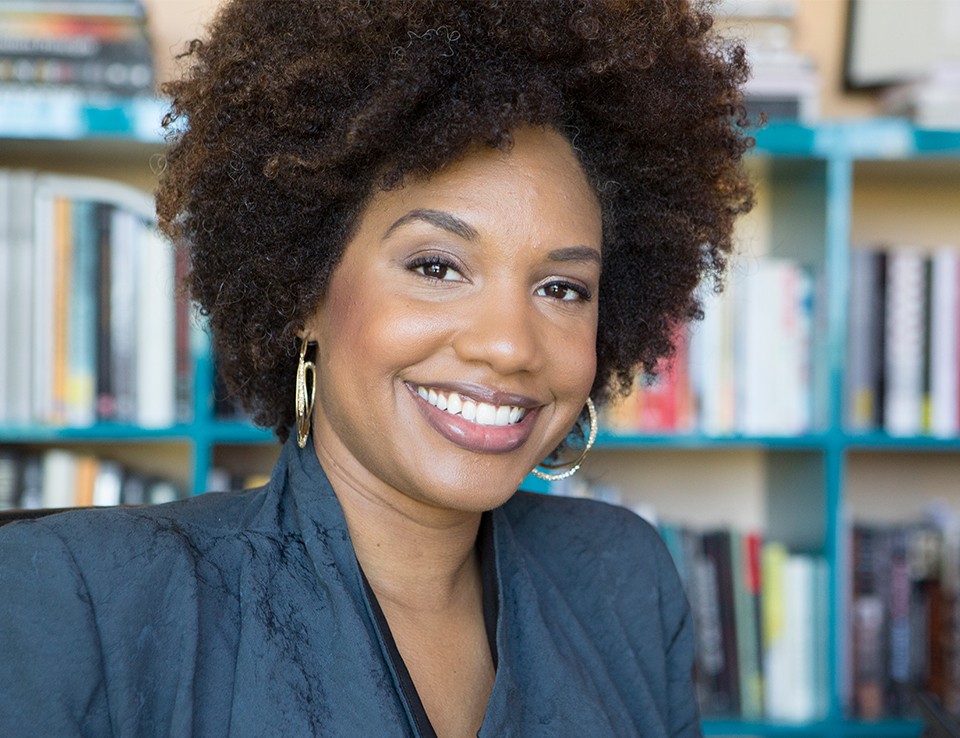
LaToya Ruby Frazier

A 2015 MacArthur Genius Award recipient, Latoya Ruby Frazier will discuss how she has used photography to visually capture the consequences of postindustrial decline for disenfranchised communities and illustrate how photography can promote dialogue about historical change and social responsibility. Drawing from her book The Notion of Family as well as from works of art by Frederick Douglass, August Sander, Julia Margaret Cameron, and Langston Hughes, she relates her conscious approach to photography, opens up more authentic ways to talk about family, inheritance, and place, and celebrates the inspirational, transformative power of images.

Read more about the speaker

LaToya Ruby Frazier is a photographer and video artist who uses visual autobiographies to capture social inequality and historical change in the postindustrial age. Informed by documentary practices from the turn of the last century, Frazier explores identities of place, race, and family in work that is a hybrid of self-portraiture and social narrative. It was the crumbling landscape of her own home town, Braddock, Pennsylvania, a once-thriving steel town, that forms the backdrop of her images and—capturing the attention of the McArthur Foundation—make manifest both the environmental and infrastructural decay caused by postindustrial decline and the lives of those who continue—largely by necessity—to live amongst it.

Frazier received a B.F.A. from Edinboro University of Pennsylvania and an M.F.A. from Syracuse University. She held artist residencies at the Lower Manhattan Culture Council and the Whitney Museum of American Art Independent Study Program and was the Guna S. Mundheim Fellow at the American Academy in Berlin before assuming her current position as assistant professor in the department of Photography at the School of the Art Institute of Chicago. Frazier’s work has appeared in numerous exhibitions, including solo shows at the Brooklyn Museum, the Institute of Contemporary Art, Boston, the Seattle Art Museum, and the Contemporary Arts Museum, Houston. The Notion of Family, Frazier’s first book, was published in 2014.

Ms. Frazier's Athenaeum presentation is co-sponsored by the President's Leadership Fund.

Photo: Courtesy of the John D. and Catherine T. MacArthur Foundation

Read less
Wed, July 11, 2018
Dinner Program
Bishop Kyrillos

His Grace Bishop Kyrillos, the first American-born bishop of the Coptic Orthodox Church, will provide a historical overview of the Coptic Orthodox Church and examine the modern challenges faced by this historic Christian community in the Middle East.

Read more about the speaker

His Grace Bishop Kyrillos (formerly Fr. John Paul Abdelsayed) is the first American-born bishop of the Coptic Orthodox Church. He holds a Bachelor of Science in Communication Studies from UCLA and a Juris Doctor degree from the Georgetown University Law Center. He also earned two Masters degrees in Theology from Holy Cross Orthodox School of Theology in Boston, and a Ph.D in History of Christianity from the University of Notre Dame, School of Theology, in Indiana.

After serving as a consecrated deacon at the Coptic Orthodox Christian Center from 2000-2002, he was ordained as a celibate priest for St. Paul Brotherhood on October 20, 2002. He served at St. Mina Coptic Orthodox Church in Riverside for several years. On March 14, 2016, His Eminence Metropolitan Serapion elevated him to the priestly dignity of Hegumen. On Thomas Sunday, May 8, 2016, he was tonsured a monk by His Grace Bishop Sarabamon at the Monastery of Abba Antony in Yermo, California. His Holiness Pope Tawadros II consecrated him as an auxiliary (general) bishop to serve alongside His Eminence Metropolitan Serapion in the Diocese on Sunday, June 12, 2016 at the Cathedral of the Holy Virgin Mary in Zeitoun, Egypt.

He currently oversees Christian education in the Diocese and serves as Dean of the St. Athanasius and St. Cyril Theological School at Claremont University.

Read less
Thu, April 26, 2018
Lunch Program
David Lesher

"Our liberty depends on the freedom of the press, and that cannot be limited without being lost." So said Thomas Jefferson. So if journalism is essential to democracy and quality journalism is no longer profitable—newspaper ad revenue today is a quarter its value in 2000—how do we preserve a healthy democracy? David Lesher, co-founder, editor, and CEO of CALmatters, will discuss the rapidly changing media and the emerging case for non-profits like CALmatters which are filling gaps in essential coverage.
 

Read more about the speaker

David Lesher is co-founder, editor, and CEO of CALmatters, a non-profit media organization launched in 2015 to cover state policy and politics. Today, CALmatters has the largest news staff in Sacramento and its work is shared with more than 100 media, including all of the state’s major newspapers and radio stations.

Lesher has worked with top state leaders and major California issues for more than 35 years as a journalist and policy analyst. He was in the newspaper business for more than 25 years, largely at the Los Angeles Times where he was a political writer, state Capitol reporter and assistant national editor for the White House campaign. He also served as editor of California Journal magazine, California director for the DC-based New America Foundation, and government affairs director for the Public Policy Institute of California.

Mr. Lesher's Athenaeum presentation is co-sponsored by the Rose Institute for State and Government at CMC.

View Video: YouTube with David Lesher

Read less

Marian Miner Cook Athenaeum

Claremont McKenna College
385 E. Eighth Street
Claremont, CA 91711

Contact

Phone: (909) 621-8244 
Fax: (909) 621-8579 
Email: